Understanding Maintenance & Service Through Fluid System Management
Proper Maintenance & Service in modern industrial plants requires more than reactive repairs. With over 35 years of experience serving Southeast Asian manufacturing facilities, 3G Electric has observed that the greatest cost savings come from systematic lubrication management and fluid maintenance protocols.
The foundation of reliable equipment operation lies in understanding how fluids—whether hydraulic oil, lubricants, or process fluids—directly impact component performance. Plant managers who implement structured fluid management programs report 30-40% fewer emergency shutdowns and significantly extended equipment lifecycles. This article provides practical strategies you can implement immediately to improve your plant's Maintenance & Service standards.
Section 1: Establishing a Fluid Inventory and Tracking System
Creating Baseline Documentation
Your first step in improving Maintenance & Service practices is documenting every fluid-dependent system in your facility. This includes:
Critical systems requiring tracking:
- High-pressure pump systems and their operating pressures
- Pressure regulation components and their setpoints
- Nozzle and spray systems with their fluid specifications
- Gear pump assemblies with lubrication requirements
- Manifold and coupling systems with fluid compatibility notes
Create a spreadsheet or plant management system that records:
- Equipment location and identification
- Fluid type and ISO grade currently in use
- Last fluid change date and quantity used
- Supplier information and part numbers
- Maintenance interval based on manufacturer specifications
Fluid Quality Assessment Procedures
For Southeast Asian operations, environmental factors like humidity, temperature fluctuations, and airborne contaminants accelerate fluid degradation. Implement quarterly fluid testing that measures:
Oil condition parameters:
- Viscosity index (verify ISO grade stability)
- Acid number (TAN value—indicates oxidation)
- Moisture content (critical in tropical climates)
- Particle count (ISO 4406 standard)
- Water content in parts per million
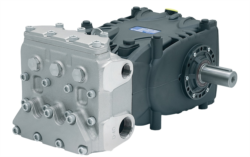
When using high-performance pump systems like the Pratissoli KF30 or Pratissoli MW40, fluid degradation directly reduces pump efficiency and increases wear on internal components. These Italian-engineered pumps deliver 106-211 L/min depending on the model, but only when operating fluids remain within specification.
Section 2: Pressure Regulation and Safety Component Maintenance
Regular Inspection Schedules for Pressure Systems
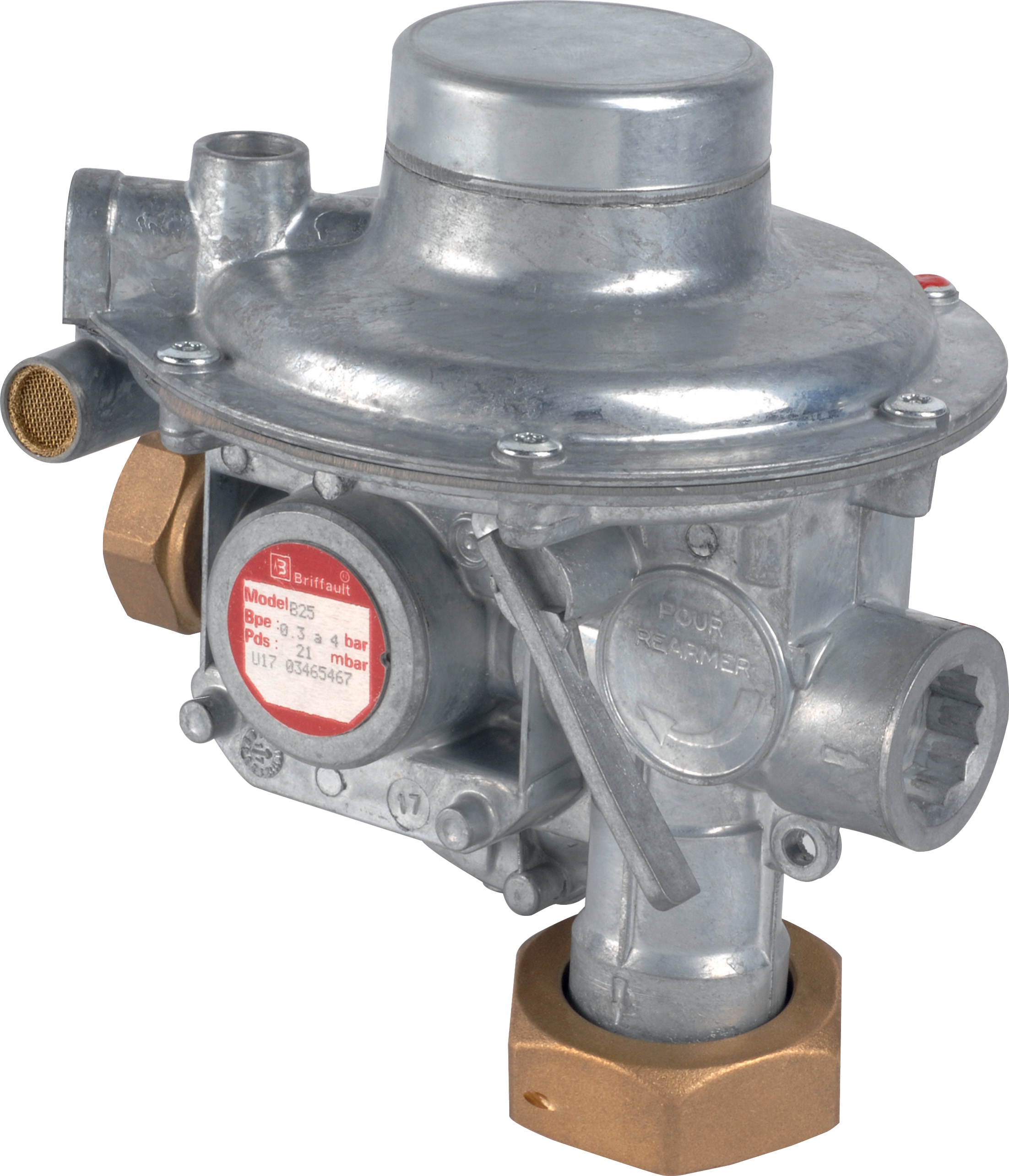
Pressure regulators are the sentries of your industrial systems. When properly maintained, they protect downstream equipment from damage and ensure consistent operation. The Francel B25/37mb pressure regulator with integrated safety relief exemplifies critical Maintenance & Service components that require systematic attention.
Pressure regulator maintenance checklist (monthly):
- Visual inspection for external leaks around the adjustment screw and outlet
- Verification of setpoint stability (compare gauge readings to baseline)
- Check for corrosion on metal bodies, especially in humid Southeast Asian facilities
- Ensure pilot drain lines are clear and unobstructed
- Confirm safety relief venting is functional by listening for proper operation
Preventive Measures for Pressure Component Longevity
The Francel B25/37mb is designed for laboratory and industrial gas distribution systems with 37 mbar outlet pressure capability. Its 10 mm vent size requires:
Quarterly maintenance tasks:
- Clean vent outlets with compressed air to prevent blockage
- Check inlet filters upstream of the regulator
- Inspect connecting tubing for cracks or deterioration
- Test outlet pressure against specifications under no-flow and full-flow conditions
- Document any variation exceeding ±2% of setpoint
When your pressure regulation systems drift, downstream nozzles and spray equipment lose effectiveness. Poor spray patterns from Euspray flat jet nozzles often trace back to inadequate upstream pressure control rather than nozzle failure.
Section 3: Pump and Motor System Lubrication Protocols
Systematic Lubrication Planning
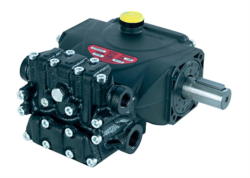
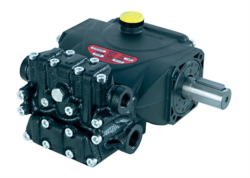
High-pressure pumps—whether the compact Interpump E1D1808S delivering 8 L/min at 180 bar or larger displacement Pratissoli systems—depend on consistent lubrication for extended service life. Your Maintenance & Service program must address lubrication systematically across three domains:
Domain 1: Prime mover (motor) lubrication
- Electric motors require sealed bearing maintenance
- Check bearing temperatures monthly using infrared thermometry
- Establish bearing replacement intervals based on bearing type and speed
- Maintain spare bearings on-site for critical equipment
- Document all bearing replacements with date and type
- High-pressure pumps like the KF30 (40 kW, 200 bar) require continuous oil circulation
- Verify suction line cleanliness—install 100-150 micron inlet filters
- Monitor case drain pressures (typically 5-10 bar above atmospheric)
- Change pump case drain filters quarterly in Southeast Asian climates
- Keep spare pump seals available for emergency repairs
- Flexible couplings between motors and pumps require periodic greasing
- Use lithium complex grease suitable for your operating temperature range
- Grease intervals: every 500 operating hours in normal conditions, every 250 hours in contaminated environments
- Inspect coupling alignment quarterly using laser alignment tools
Managing Fluid Change-Outs
Fluid replacement is not optional maintenance—it's a cost of doing business. For the Pratissoli MW40 operating at 85 kW and 210 bar pressure:
Fluid change intervals:
- Standard ISO VG 46 hydraulic oil: every 1,000-1,500 operating hours
- Biodegradable fluids (common in Southeast Asia): every 500-750 operating hours
- If fluid testing shows acid number exceeding 1.0 mg KOH/g: change immediately
- Seasonal changes: switch to winter-grade fluids November-February in cooler highland facilities
Schedule fluid changes during planned maintenance windows, not during emergency repairs. Rushing fluid changes leads to incomplete flushing, foaming, and reduced equipment life.
Section 4: Nozzle and Application System Maintenance
Understanding Nozzle Degradation Patterns
The Euspray flat jet nozzle with 25° spray angle and 1/4" M BSPT connection delivers precision spray patterns only when maintained properly. Nozzle failure patterns reveal upstream system problems:
Common nozzle issues and root causes:
- Uneven spray pattern → pressure regulator drift or partial obstruction
- Reduced flow with normal pressure → worn or clogged internal orifice
- Spray angle widening beyond specification → erosion from contaminated fluid
- Leaking at connection point → BSPT thread damage or worn ferrule
Nozzle Maintenance Frequency
Weekly inspections (visual only):
- Verify spray pattern consistency against baseline photographs
- Check for external corrosion or scaling on the nozzle body
- Ensure no loose connections at the BSPT fitting
- Remove nozzle and soak in appropriate solvent for 2-4 hours
- Use soft brass brushes to clean exterior—never steel wool
- Verify spray angle with optical measurement or comparison to reference image
- Replace nozzles annually even if no visible damage (preventive replacement)
- Keep spare nozzles matched to current index (30) in inventory
- In high-temperature or corrosive spray applications, replace quarterly
- Document all nozzle changes with date, flow rate verification, and spray pattern confirmation
Implementation Timeline for Plant Managers
Month 1: Foundation
- Audit all fluid-dependent systems and create baseline documentation
- Establish fluid storage procedures and implement quarterly testing protocol
- Source fluid testing services through local 3G Electric representatives
- Implement pressure regulator inspection schedule
- Calibrate all pressure gauges against certified reference standards
- Establish pressure setpoint baseline for each regulator
- Deploy motor bearing temperature monitoring
- Establish pump seal and bearing spare parts inventory
- Train maintenance personnel on proper lubrication points and intervals
- Conduct monthly Maintenance & Service review meetings
- Track equipment downtime trends and correlate to fluid condition
- Adjust intervals based on actual operating experience
Conclusion
Maintenance & Service excellence in Southeast Asian industrial plants depends on systematic fluid management, regular monitoring, and proactive component replacement. By implementing these strategies with equipment from reliable suppliers like 3G Electric, you'll reduce emergency downtime, extend component lifecycles, and lower total cost of ownership. The investment in structured Maintenance & Service practices pays dividends through improved plant availability and reduced maintenance spending.