Understanding Industrial Fluid System Maintenance & Service
Maintenance & Service for fluid systems extends far beyond simple oil changes. In Singapore's demanding industrial environment—where tropical humidity, high-temperature operations, and continuous production schedules accelerate component degradation—a comprehensive fluid management strategy is essential.
Fluid systems serve multiple critical functions: they transmit power through pumps and actuators, provide cooling to prevent thermal damage, supply lubrication to reduce friction-induced wear, and carry contaminants away from precision components. When any of these functions fail, the entire system deteriorates rapidly. At 3G Electric, with over 35 years of experience distributing industrial equipment across Southeast Asia, we've observed that premature equipment failures typically stem not from manufacturing defects, but from inadequate fluid maintenance protocols.
The reality is stark: contaminated fluid can reduce pump lifespan from 10,000 operating hours to fewer than 2,000 hours. A single particle of debris lodged in a regulator valve can trigger catastrophic system failure within minutes. Understanding how to maintain your fluid systems directly correlates to equipment reliability, production uptime, and total cost of ownership.
Contamination Control: The Foundation of Fluid System Maintenance & Service
Contamination—particles, water, and oxidation products—represents the primary threat to industrial fluid systems. In tropical Singapore, where ambient humidity routinely exceeds 80%, water ingress presents a particularly acute challenge.
Particle Contamination Management
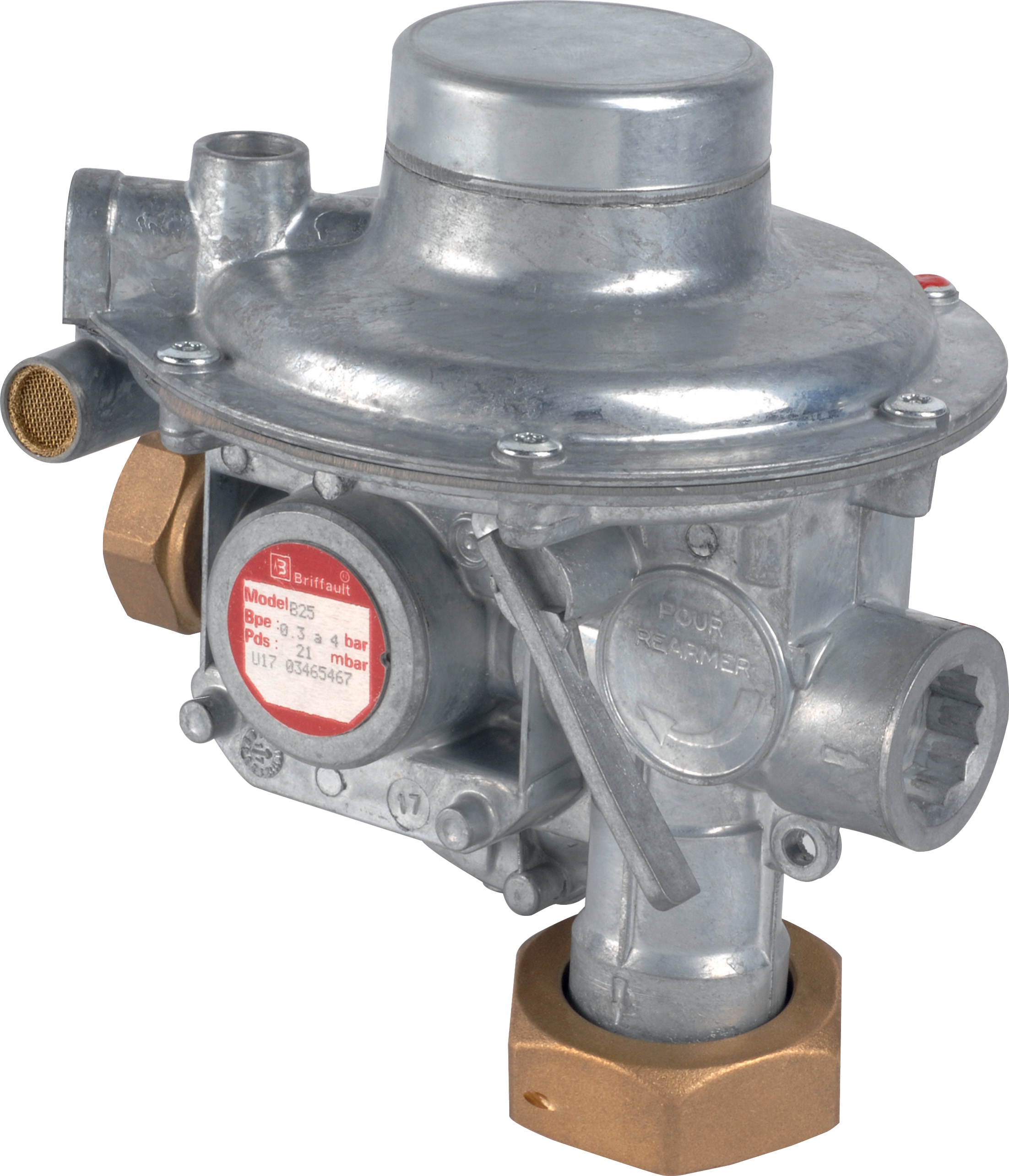
Particles originate from multiple sources: external ingress through breather vents and seals, internal generation from component wear, and microbial growth in stagnant fluid reservoirs. Particle sizes as small as 10 microns can cause measurable wear in precision components like the Francel B25/37mb pressure regulator with integrated safety relief, where internal clearances often measure only 15-20 microns.
Implement a multi-stage filtration strategy:
- Return line filtration (10-25 microns): Capture particles generated by pump wear and actuator movement before fluid returns to the reservoir
- Suction line filtration (100-150 microns): Protect pump inlet by removing coarse debris without creating backpressure that cavitates the pump
- Tank top breather filtration (3 microns): Block atmospheric ingress through reservoir breathing cycles
- Offline kidney-loop filtration (1-3 microns): Continuously recirculate reservoir fluid through a dedicated high-efficiency filter system independent of operational requirements
Filter replacement intervals depend on system operating conditions. In normal Singapore industrial environments, plan replacement every 500-1,000 operating hours; in dusty or contamination-prone applications, reduce to 200-300 hours. Monitor differential pressure gauges religiously—they provide early warning of filter loading before catastrophic bypass occurs.
Water and Oxidation Control
Water content above 500 parts per million (ppm) accelerates fluid oxidation and promotes bacterial growth. Singapore's humidity means equipment sitting idle overnight can absorb significant moisture through seal degradation. Use silica gel desiccant breathers on all reservoir vents, and maintain desiccant cartridges in a dry condition—saturated cartridges actually release stored moisture into your system.
Fluid oxidation—the chemical breakdown of base oils—produces acids and sludge that corrode metal surfaces and block narrow passages. Monitor acid number (AN) through routine laboratory analysis. When AN exceeds 2.0 mg KOH/g, fluid degradation is actively occurring. Replace fluid before reaching 3.0 AN to prevent system contamination.
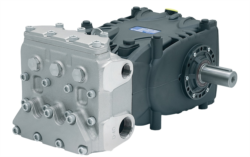
For high-performance systems like the Pratissoli MW40 industrial pump delivering 211 L/min at 210 bar, fluid analysis at 250-hour intervals during the first 1,000 hours of operation provides critical baseline data on system cleanliness and fluid compatibility.
Lubrication Strategy and Component Protection
Lubrication serves three essential functions in industrial fluid systems: reducing friction-induced heat generation, protecting metal surfaces from corrosion, and enabling efficient power transmission. Inadequate lubrication can cause component failure within hours; excessive lubrication generates heat and promotes oxidation.
Viscosity Management
Fluid viscosity—resistance to flow—must match system design requirements. Singapore's tropical heat complicates viscosity management: ambient temperatures approaching 35°C (95°F) can reduce fluid viscosity by 40% compared to temperate climates. High-pressure systems like the Pratissoli KF30 pump operating at 200 bar require fluid viscosity between ISO VG 46 and ISO VG 68. Operate outside this range, and film strength between moving parts fails.
Monitor bulk fluid temperature throughout the system:
- Maintain reservoir temperature between 45-55°C for optimal viscosity and oxidation control
- If reservoir temperature exceeds 60°C, verify cooler performance and check for excessive internal leakage (a sign of component wear)
- If temperature falls below 35°C, consider immersion heaters in Singapore's cooler months or high-altitude applications
Implement daily pre-operation checks of fluid level and temperature. Temperature variance of ±15°C from baseline indicates emerging system problems warranting investigation.
Bearing and Seal Lubrication
Bearing surfaces in pumps, motors, and compressors depend on hydrodynamic film formation—a thin layer of fluid separating metal surfaces. This film requires:
- Correct viscosity to sustain pressure under load
- Sufficient fluid flow to continuously supply fresh lubricant to bearing surfaces
- Cleanliness to prevent particle embedment that ruptures the film
- Additives (anti-wear, anti-corrosion, anti-foam) to enhance film strength and system stability
Mechanical seals protecting pump shafts operate on similar principles. The rotating seal face slides across a stationary surface separated by micrometers of fluid. Particle contamination creates scratches that destroy the sealing surface; water content promotes corrosion that pits the seal face; inadequate viscosity allows metal-to-metal contact generating heat and rapid wear.
For systems incorporating spray components like the Euspray flat jet nozzle with 25° spray angle, residual fluid in internal passages must be flushed according to manufacturer specifications. Dried or oxidized fluid deposits block narrow orifices and degrade spray pattern consistency.
Predictive Maintenance & Service Diagnostics
Moving beyond reactive maintenance—responding only when equipment fails—requires systematic data collection and trend analysis. This shift toward predictive maintenance & service identifies emerging problems before they cause production losses.
Oil Analysis Program
Laboratory fluid analysis reveals system health through chemical and particle analysis:
- Particle count analysis (ISO 4406 code): Quantifies particle distribution by size. Target counts of 18/16/13 or better for high-pressure systems ensure component protection
- Elemental analysis (ICP-OES): Measures iron, copper, aluminum, and other metals indicating wear rates. Increasing iron concentration signals bearing or pump wear progression
- Acid number (TAN): Indicates oxidation rate and remaining fluid life
- Water content (Karl Fischer titration): Detects moisture ingress before visible contamination appears
- Viscosity at 40°C and 100°C: Confirms fluid hasn't degraded or been contaminated with incompatible oil
Schedule fluid analysis at 250-500 hour intervals during equipment commissioning, then transition to 1,000-2,000 hour intervals in stable operation. Singapore's high operational intensity (24/7 production in many facilities) means monthly analysis may be cost-effective for critical systems.
Vibration and Temperature Monitoring
Mechanical systems generate characteristic vibration signatures. As components wear, friction increases, and vibration patterns change. Modern condition monitoring systems capture accelerometer data, identify abnormal frequencies, and alert maintenance teams to emerging bearing wear or misalignment before failure.
Temperature trending provides simpler but effective diagnostics:
- Compare current fluid temperature against 30-day baseline
- Temperature increases of 5-10°C indicate rising internal friction (developing wear, increased leakage)
- Localized hot spots (detected by infrared thermography) identify seal failure or excessive friction in specific components
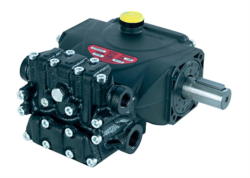
For equipment like the Interpump PUMP E1D1808 L operating at 180 bar, trending bearing temperature from commissioning provides baseline data for predictive maintenance decisions.
Component Inspection and Service Intervals
Establish documented service intervals based on manufacturer specifications and operational experience:
- Pump seal inspection: Every 1,000-2,000 operating hours or annually—inspect for wear patterns, corrosion, or crystalline deposits
- Filter element replacement: Based on differential pressure monitoring, typically 500-1,000 hours
- Hose and coupling inspection: Every 500 hours—flexible hoses degrade from internal fluid degradation and external UV exposure
- Regulator valve inspection: Annually for critical regulators like the Francel B25/37mb—verify spring tension, poppet movement, and vent passage clarity
- Cooler and heat exchanger cleaning: Quarterly in tropical environments to prevent fouling
Document all maintenance activities in digital work orders. Over time, this data reveals patterns: if a specific pump consistently requires seal replacement at 1,800 hours, you've identified a reliability issue warranting investigation or component specification review.
Practical Implementation: Building a Maintenance & Service Program
Transitioning from ad-hoc maintenance to systematic Maintenance & Service requires planning and discipline. Start by auditing existing equipment: identify all fluid-handling systems, collect maintenance histories, and interview technicians about recurrent problems.
Develop a tiered maintenance strategy:
Tier 1—Daily Operations
- Visual inspection of fluid level and reservoir condition
- Temperature monitoring at startup and during operation
- Filter pressure gauge observation
- Leak detection and documentation
- Fluid sampling for laboratory analysis
- Breather cartridge inspection and replacement
- Hose and coupling visual examination
- Cooler performance verification
- Component teardown and inspection
- Seal and gasket replacement
- Pump or motor inspection and certification
- System flushing and recharging
Invest in training: technicians who understand how contamination, water, and oxidation affect system reliability make better maintenance decisions. 3G Electric's 35+ years serving Singapore's industrial sector has taught us that equipment uptime correlates directly with operator knowledge and engagement.
Implement condition-based maintenance triggers: don't change filters on a schedule if ISO particle counts remain acceptable, but increase monitoring frequency. Don't replace fluid annually if acid number analysis shows acceptable oxidation rates, but respond immediately when thresholds are approached.
Finally, maintain spare component inventory strategically. Critical items like pump seals, regulator spools, and filter elements should be in stock; opportunistic items can be special-ordered. This balance ensures you can respond to unexpected failures without excessive inventory carrying costs.