Why Maintenance & Service Documentation Matters More Than You Think
Plant managers often focus on keeping equipment running today but miss the operational intelligence buried in maintenance records. After 35+ years of supporting industrial facilities worldwide, 3G Electric has observed that the plants with the lowest downtime rates share one characteristic: meticulous documentation of every Maintenance & Service activity.
Documentation isn't just compliance paperwork. It's your facility's memory. When a Francel pressure regulator fails after 18 months, your maintenance logs tell you whether this is normal wear or a procurement problem. When production teams report intermittent pressure fluctuations, historical service records pinpoint whether the issue stems from the regulator itself, recent installation work, or upstream system changes.
Plant managers operating across multiple regions face additional complexity: different regulatory frameworks, varying equipment ages, and distributed maintenance teams. Without standardized Maintenance & Service documentation, you lose visibility into compliance status, struggle to identify common failure patterns, and cannot justify spare parts budgets to leadership.
Building Your Maintenance & Service Documentation Framework
Essential Documentation Categories
Establish four documentation tiers for every piece of critical equipment:
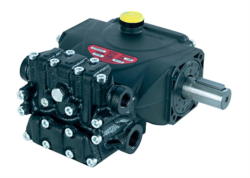
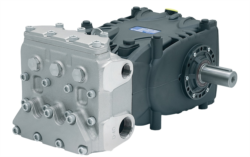
Asset Master Records form your foundation. For each installed component—whether it's a Pratissoli KF30 pump, MW40 high-pressure unit, or Interpump gear pump—maintain a single master file containing: equipment serial number, installation date, original specifications, warranty details, and supplier contact information. Include installation photographs and commissioning reports. This baseline documentation prevents expensive troubleshooting later when you need to confirm whether equipment arrived with current specifications or has been modified since installation.
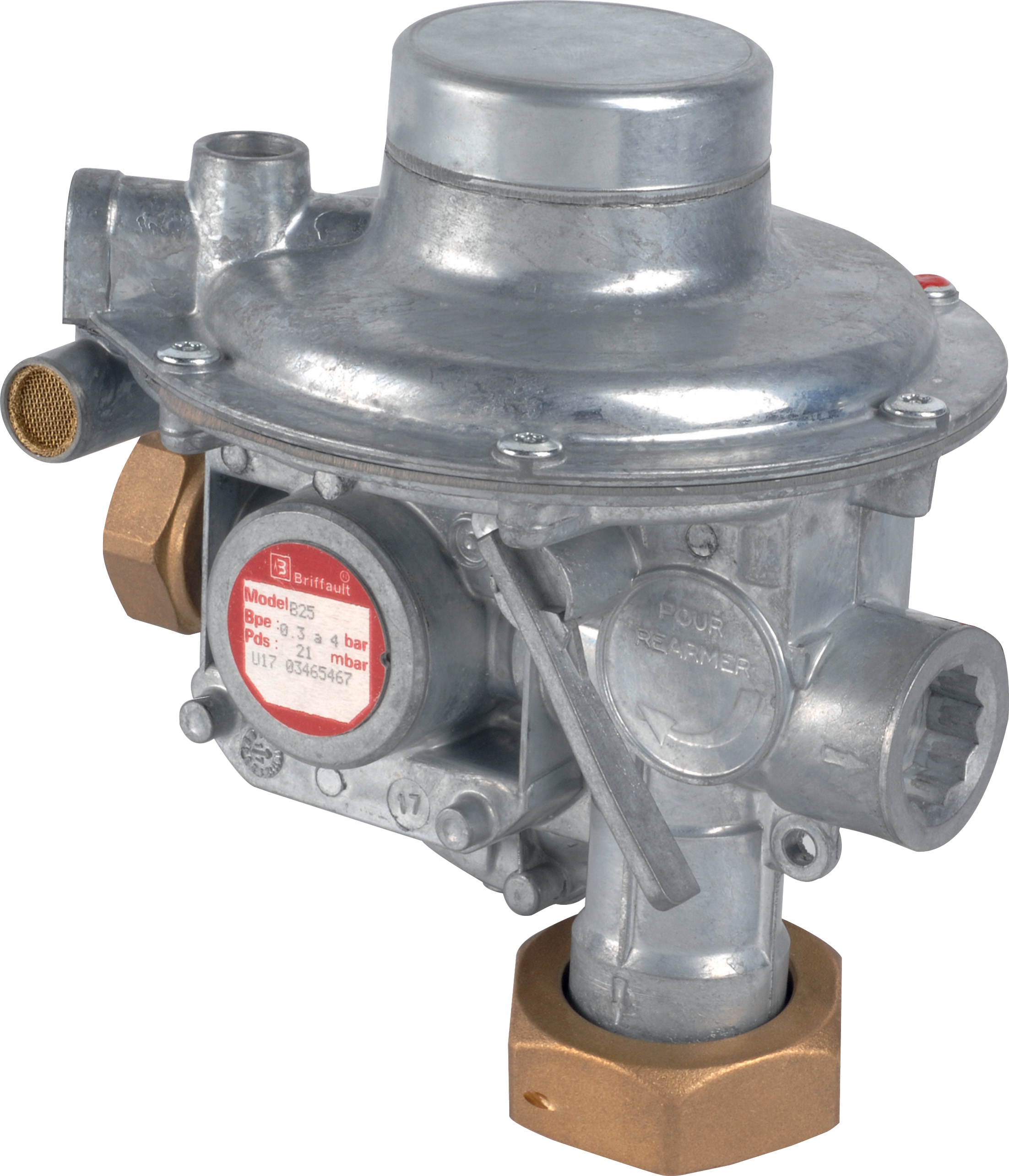
Preventive Maintenance Schedules document planned service intervals based on manufacturer recommendations and your operational experience. The Francel B25/37mb pressure regulator might require quarterly vent clearing and annual full inspection. The KF30 pump needs monthly seal inspection and oil sample analysis every 500 operating hours. Schedule documentation should specify exactly what technician performs each task, what tools and replacement parts are required, estimated duration, and acceptance criteria for "passed" inspection.
Corrective Maintenance Records capture every unplanned repair or emergency intervention. Document the failure symptom observed, root cause identified, specific repairs performed, replacement parts used (including part number and batch code), technician name, completion date, and whether the repair resolved the issue. This record type is invaluable for identifying chronic problems. If your Euspray nozzle clogs quarterly despite preventive cleaning, maintenance records will reveal patterns that justify switching to a different nozzle design or adjusting upstream filtration.
Maintenance Cost and Labor Tracking tie documentation to business outcomes. Record hours spent on each maintenance activity, parts costs, any equipment downtime required, and whether the work was in-warranty or customer-paid. Over 12-24 months, this data reveals which equipment consumes disproportionate maintenance resources and which represents good long-term value.
Documentation Standards That Stick
Many plants launch documentation initiatives that collapse within months because standards are too complex. Plant managers should establish simple, non-negotiable standards:
- Date every entry using consistent format (ISO 8601: YYYY-MM-DD)
- Name the technician who performed work; this creates accountability and builds expertise tracking
- Use consistent terminology across all facilities; create a glossary for your equipment so "pressure valve adjustment" means the same thing whether your team in Singapore or Rotterdam performs it
- Require supervisor sign-off on all corrective maintenance before closing the record
- Photograph significant work before, during, and after; modern smartphone documentation requires minimal effort but prevents disputes about work quality
- Include failure codes if available (ISO 4414 for hydraulic systems, for example) so maintenance data becomes searchable and analytically useful
Digital systems (even simple spreadsheets) outperform paper logs because they're searchable, backup-able, and shareable across locations. However, the discipline of consistent documentation matters more than software sophistication. A plant using disciplined paper records will outperform one with abandoned software implementations.
Compliance Documentation for Global Operations
Plant managers overseeing equipment across different countries must navigate varying regulatory requirements. Your Maintenance & Service documentation strategy must address this complexity.
Regulatory Documentation by Region
European facilities operating Pratissoli pumps and MW40 units under EU Machinery Directive (2006/42/EC) must maintain documented evidence that equipment receives suitable maintenance intervals and that maintenance personnel possess appropriate training. This means your documentation must prove maintenance was performed according to manufacturer specifications, not that you simply performed "regular" service.
Facilities handling high-pressure equipment in Singapore, Malaysia, or other ASEAN nations may fall under local pressure equipment directives. Documentation must prove periodic inspection completion and provide evidence of pressure testing if required by classification.
North American facilities frequently need OSHA-compliant documentation proving regular equipment inspection and maintenance, particularly if equipment affects workplace safety. Pressure regulators like the Francel B25/37mb may require documented annual safety relief testing.
Create a compliance calendar showing which facilities require which documentation updates on which dates. Assign responsibility to a specific person (not a department) for ensuring completion. This single change—assigning individual accountability rather than team responsibility—typically increases regulatory compliance rates by 40-60%.
Maintenance Records as Failure Evidence
When equipment fails unexpectedly, your documentation becomes crucial evidence. If a Interpump gear pump fails after 8,000 operating hours, maintenance records showing regular oil sampling, filter changes, and temperature monitoring demonstrate you performed due diligence. Without this documentation, you inherit liability for "inadequate maintenance" even if the failure was inherent to the component design.
Conversely, documentation might reveal that scheduled maintenance was skipped or performed improperly, absolving the supplier or component manufacturer of liability and directing responsibility toward your facility's maintenance practices.
Transforming Documentation Into Operational Intelligence
Analyzing Maintenance Data for Better Planning
Once you have 6-12 months of consistent documentation, data analysis becomes possible. Calculate mean time between failures (MTBF) for each equipment type. If your Francel regulators average 14 months between issues while competitor facilities report 36-month intervals, you have a process problem—either installation, operating conditions, or maintenance execution differs from best practice.
Track maintenance labor hours by equipment category. If pump maintenance consumes 35% of your technician time but pumps represent only 20% of equipment value, this suggests either that your pump selection is poor, your maintenance procedures are inefficient, or your maintenance team needs additional training. Documentation reveals which specific pump models drive this disproportionate labor demand, enabling smarter procurement decisions.
Identify your serial failure rates—do specific serial number ranges of equipment fail more frequently? When 3G Electric supplies Pratissoli KF30 pumps, we track customer feedback across installations. If your facility experiences failures not reported by other customers, documentation helps distinguish between environmental factors affecting your facility versus inherent component issues.
Building Predictive Maintenance Through Historical Analysis
The highest-performing plants transition from preventive (time-based) maintenance toward condition-based maintenance informed by historical data. If maintenance records show that your MW40 pump consistently develops minor pressure fluctuations 6 weeks before complete seal failure, you can schedule seal replacement at 5.5 weeks rather than waiting for failure.
Oil analysis records become particularly powerful. When you track particle counts, viscosity changes, and moisture content over months, you identify the trajectory toward failure. A pump showing gradual particle count increase from 50 particles/mL to 150 particles/mL over 6 months is predictable; you can schedule rebuilding before failure. Sudden jumps indicate catastrophic wear and require urgent attention.
Justifying Maintenance Investment to Finance Leadership
Finance teams rarely understand why plant managers request preventive maintenance budgets when equipment "isn't broken yet." Documentation transforms this conversation. Show finance: (1) the mean time between failures for your equipment, (2) the cost of unplanned downtime per hour, (3) your documented maintenance costs, and (4) the financial impact of equipment failures (lost production, emergency repair premiums, potential safety incidents).
When maintenance documentation proves that preventive service on a KF30 pump costs $800 and reduces unplanned failures by 60%, the financial case becomes undeniable. Without documentation, you're asking finance to fund "maintenance" as an article of faith.
Practical Implementation for Plant Managers
Starting Your Documentation System
Don't attempt to digitize your entire maintenance history immediately. Begin with critical equipment: high-cost items, safety-critical systems, or frequently problematic units. Select your Pratissoli KF30 and MW40 pumps, your Francel pressure regulators, and any spray nozzles that affect production quality. Create master records for these items this month.
Next month, implement documentation for every maintenance activity performed on these critical components—whether preventive or corrective. Make it a team exercise. Your technicians understand the work; involve them in defining what information matters and how to capture it efficiently.
Bythe third month, expand to secondary equipment. By month six, your entire facility has functioning documentation. This phased approach builds team commitment and allows you to refine standards based on what you learn from critical equipment experience.
Overcoming Common Documentation Barriers
Maintenance teams often resist documentation because it "slows down" their work. This objection typically reflects poorly designed documentation. If your forms require 30 minutes of paperwork per maintenance task, documentation will fail. Design forms that capture essential information in 5-10 minutes maximum.
Multiple languages in global facilities? Provide translation glossaries but allow your technicians to document in their native language. The discipline of consistent terminology matters far more than English documentation.
Technicians fear that detailed records might prove they made mistakes. This concern requires leadership to establish a "documentation-safe" culture where records are treated as facility learning tools, not as evidence for disciplinary action. When technicians understand that documentation protects them (proving they performed correct procedures) rather than prosecuting them, compliance improves dramatically.
Maintenance & Service Documentation as Competitive Advantage
After 35+ years supporting industrial operations globally, 3G Electric has observed that the most successful plant managers view Maintenance & Service documentation not as bureaucratic overhead but as operational strategy. Your documentation system directly enables:
- Faster problem diagnosis when equipment malfunctions
- Better negotiation with equipment suppliers regarding warranty claims
- Smarter capital planning based on equipment reliability trends
- Reduced regulatory risk through demonstrated compliance efforts
- Knowledge transfer when technicians retire or transfer
- Continuous improvement based on data analysis
The plant manager who implements consistent Maintenance & Service documentation spends less time firefighting equipment failures and more time building reliable, cost-effective operations. That's the difference between managing maintenance and mastering it.