Understanding Maintenance & Service Economics in Equipment Procurement
Maintenance & Service decisions made during the procurement phase directly impact total cost of ownership (TCO) across equipment lifecycles. For procurement engineers in Singapore's industrial sector, selecting components based solely on acquisition price often results in hidden costs through frequent servicing, premature replacement, and unplanned downtime. With 35+ years of experience as an industrial equipment distributor, 3G Electric has observed that strategic component selection—prioritizing reliability metrics, manufacturer heritage, and service accessibility—yields 20-35% cost savings over five-year operational periods.
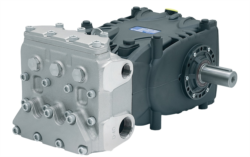
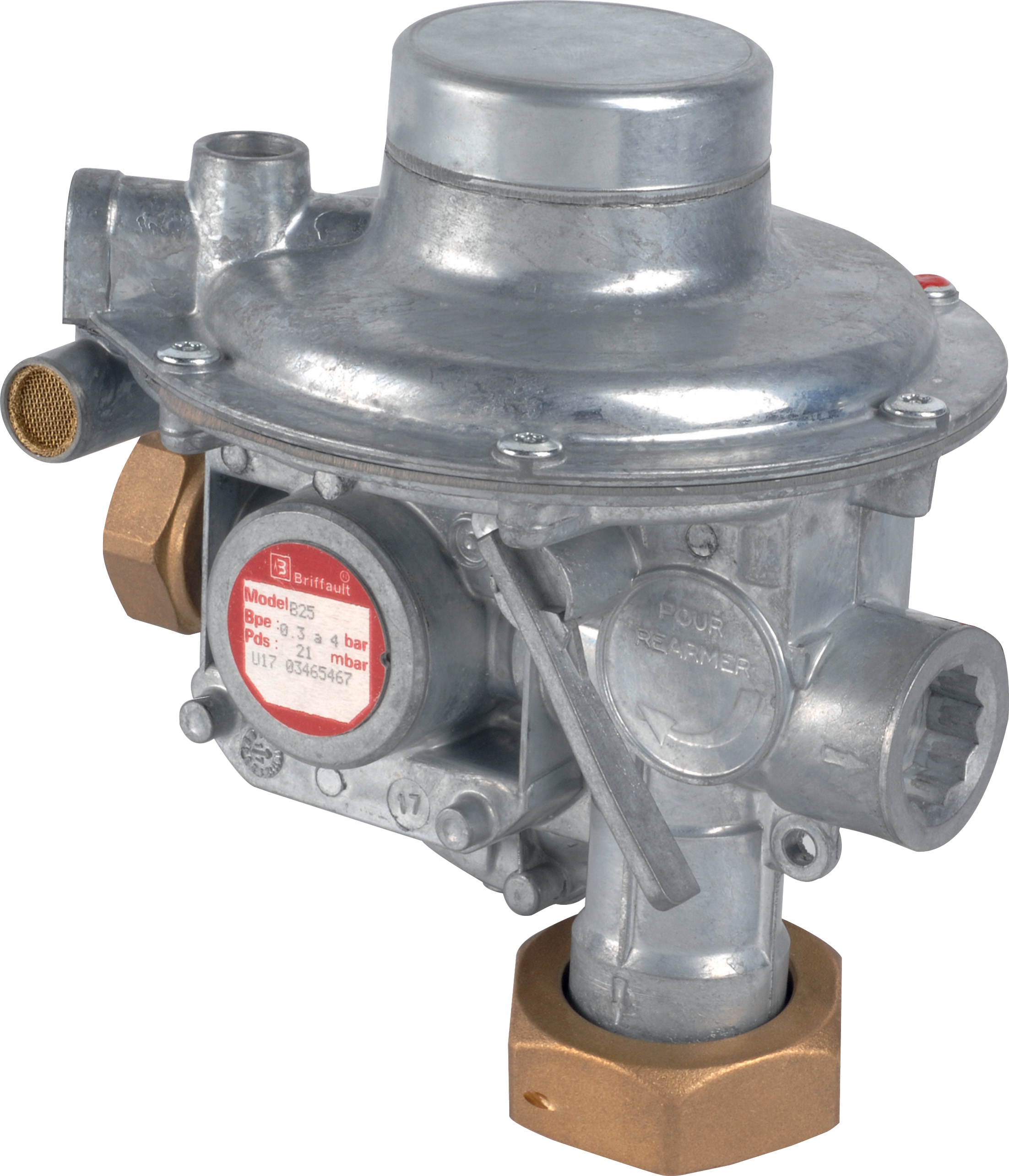
The procurement decision involves evaluating three critical cost dimensions: initial capital expenditure, predictable maintenance expenses, and unplanned downtime costs. High-performance industrial pumps like the Pratissoli KF30 deliver 106 L/min at 200 bar with Italian engineering heritage, reducing frequent service calls through robust construction. Similarly, pressure regulation components like the Francel B25/37mb pressure regulator incorporate integrated safety relief, eliminating the need for separate ancillary equipment and reducing system complexity.
Singapore's humid tropical climate accelerates component degradation in conventional equipment. Procurement engineers must account for material corrosion, seal degradation, and thermal stress when evaluating maintenance intensity. Equipment sourced through established distributors with deep service networks ensures spare parts availability and technical support without extended lead times—critical factors in Singapore's just-in-time manufacturing environment.
Selecting Components for Reduced Service Frequency and Extended Intervals
Procurement strategy should prioritize components engineered for extended maintenance intervals. Industrial spray systems require particular attention, as nozzle degradation occurs progressively through erosion and clogging. The Euspray flat jet nozzle with 25° spray angle uses precision-engineered orifices designed for consistent performance across 1000+ operating hours between replacements—significantly longer than commodity alternatives.
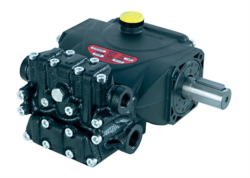
High-pressure pump systems represent substantial procurement investments. The Pratissoli MW40 operates at 210 bar delivering 211 L/min with 85 kW power input, engineered by Interpump Group for minimal wear progression. These pumps employ:
- Advanced piston/cylinder tolerances reducing internal leakage
- Premium seal materials extending replacement intervals by 2-3 years
- Integrated pressure relief systems preventing overstress conditions
- Modular design enabling targeted component replacement without full system replacement
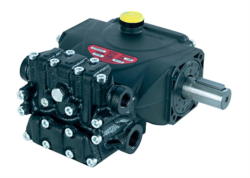
Compact high-pressure systems like the Interpump E1D1808 L gear pump deliver 8 L/min at 180 bar with minimal moving parts, reducing failure modes and service complexity. Gear pumps inherently tolerate modest contamination, requiring less frequent filtration maintenance than piston-based alternatives.
Procurement engineers should establish component specifications requiring manufacturers to provide:
- Failure mode analysis (FMEA) documentation
- Mean time between failure (MTBF) data validated through field deployment
- Recommended spare parts inventory levels
- Temperature and operating envelope margins above actual application requirements
- Material certifications for corrosion resistance in Singapore's marine-influenced atmosphere
Building Service Infrastructure and Support Networks
Effective Maintenance & Service programs require robust support infrastructure that procurement decisions either enable or constrain. 3G Electric's 35+ years as a global equipment distributor has established service partnerships across Singapore's industrial ecosystem, providing procurement engineers access to:
- Same-day spare parts fulfillment for common replacements
- Technical troubleshooting support from application engineers
- On-site equipment diagnostics and repair coordination
- Documentation libraries and maintenance procedure guidance
- Predictive maintenance planning aligned with production schedules
When procuring equipment, engineers should evaluate supplier capabilities beyond product delivery. Distributors offering integrated service networks reduce reliance on original equipment manufacturers for routine maintenance, typically lowering service costs 15-25% through local expertise and faster response times.
Establish procurement specifications requiring supplier involvement in three critical infrastructure elements:
Spare Parts Availability: Specify that critical components (seals, pump cartridges, relief valve assemblies) must be stocked locally or available within 48 hours. For pressure regulation systems like the Francel B25/37mb, identify replacement modules and safety cartridges that can be swapped without system shutdown.
Technical Documentation: Require complete maintenance manuals, troubleshooting flowcharts, and parts diagrams in English and accessible digital formats. Document calibration procedures for pressure regulators and nozzle replacement sequences for spray systems.
Training and Certification: Negotiate supplier provision of technical training for maintenance technicians and procurement/operations staff. Understanding component design fundamentals and failure progression enables earlier intervention and prevents cascade failures in multi-component systems.
Singapore-based procurement engineers should leverage local distributors' established relationships with equipment manufacturers. This reduces translation delays, accelerates technical support response, and ensures that equipment specifications align with regional environmental conditions (humidity, salt air near ports, thermal cycling).
Implementing Condition-Based Maintenance and Predictive Analytics
Proactive Maintenance & Service requires shifting from time-based preventive schedules toward condition-monitoring approaches. Procurement decisions enable or constrain this transition. Specify that pumps and pressure regulators include instrumentation points for pressure transducers, temperature sensors, and vibration monitoring.
The Pratissoli KF30 and Pratissoli MW40 pumps support integrated condition monitoring through modular design. Procurement specifications should require:
- Standardized 4-20 mA output connectors for integration with plant monitoring systems
- Bearing assemblies accessible for vibration sensor installation
- Manifold provisions for pressure transducers at inlet and discharge
- Seal chambers designed for condition monitoring without component disassembly
Condition-based maintenance reduces unnecessary component replacement by 30-40% compared to time-based intervals. For example, spray nozzles like the Euspray flat jet nozzle can be evaluated for replacement based on actual flow rate degradation rather than calendar schedules. Equipment operating at 70% of design capacity requires different maintenance timing than equipment at 95% capacity.
Establish procurement requirements for performance baseline documentation:
- Factory acceptance testing (FAT) reports capturing baseline pressure drops, flow rates, and efficiency metrics
- Condition baseline photographs documenting initial component condition
- Vibration signature analysis for rotating equipment (pumps)
- Thermal imaging baseline for pressure regulation and control systems
These baselines enable procurement and operations teams to detect performance degradation trends months before functional failure, enabling planned maintenance windows rather than emergency repairs.
Implement data collection protocols aligned with manufacturer MTBF specifications. If equipment documentation specifies 5000-hour maintenance intervals, establish monitoring at 4000 hours to identify early degradation patterns. This approach typically extends equipment functional life 2-3 years beyond original specifications while maintaining high reliability.
Strategic Cost Management Across Equipment Lifecycle
Procurement decisions create cost cascades extending beyond initial purchase. High-quality components from established manufacturers like Pratissoli and Interpump Group cost 15-30% more than commodity alternatives but deliver 40-60% lower maintenance costs and 2-3 years extended service life. Over a seven-year equipment lifecycle, premium component selection typically returns 180-250% of incremental procurement costs through reduced service expenses.
Develop procurement specifications that require suppliers to provide total cost of ownership analysis including:
- Scheduled maintenance costs per operating hour
- Spare parts pricing for common replacement items
- Expected component service life with usage profiles
- Warranty and extended service agreement pricing
- Decommissioning and recycling costs
For Singapore operations, account for regional cost factors:
- Labor costs averaging SGD 45-65/hour for technician services
- Spare parts import duties and logistics costs for non-stocked items
- Environmental compliance costs for fluid disposal and recycling
- Business continuity costs during maintenance windows (typically SGD 2,000-8,000/hour of unplanned downtime)
Procurement engineers should establish multi-year equipment relationships with distributors offering volume-based spare parts discounts and planned maintenance packages. This predictability enables better budgeting and reduces emergency procurement costs that typically carry 25-40% price premiums.
Document all Maintenance & Service decisions and outcomes through structured procurement records. Track actual maintenance costs against specifications for continuous improvement in future equipment selections. This data builds institutional knowledge that improves procurement accuracy and reduces total cost of ownership across the equipment portfolio.