Why Measurement & Detection Matters for Field HVAC Work
HVAC contractors in Singapore face unique challenges—tropical heat, high humidity, and demanding system uptime requirements mean diagnostic errors translate directly to lost revenue and damaged reputation. Effective Measurement & Detection goes beyond reading gauges; it's about gathering reliable data that enables faster diagnosis and confident system commissioning.
Over 35 years, 3G Electric has equipped contractors across Southeast Asia with tools that turn diagnostic work from time-consuming guesswork into methodical problem-solving. The difference between a contractor who carries basic gauges and one who employs multi-parameter detection is often just a few hundred dollars in equipment—but it can mean thousands in recovered productivity and customer satisfaction.
This guide compares practical measurement approaches that Singapore HVAC contractors use daily, helping you choose tools matched to your specific service scope and system complexity.
Pressure Measurement: Direct Gauges vs. Digital Transmitters
Traditional Analog Gauges
The Preciman stainless steel vertical pressure gauge (0–40 mbar) remains the workhorse for HVAC contractors checking system pressures during commissioning and diagnostics. At a glance, you see pressure status without electronics or calibration concerns.
Advantages:
- No power source required—works anywhere
- Immediate visual feedback; no interpretation needed
- Extremely durable in humid Singapore environments
- Perfect for routine checks and customer walkthrough verification
- Accurate to ±1.6%, sufficient for most HVAC applications
- Static readings only—no data logging
- Cannot alert you to pressure fluctuations occurring between site visits
- Requires physical site presence to gather readings
- No integration with building management systems (BMS)
Digital Pressure Transmitters
The Dwyer 616KD-13V-TC differential pressure transmitter (0–1 IN W.C) provides continuous monitoring and remote data access, ideal for larger installations or systems requiring performance trending.
Advantages:
- Transmits live data to remote monitors or BMS platforms
- Tracks pressure trends over hours/days, revealing gradual problems
- Enables alarm notifications if pressure drifts outside acceptable range
- Minimal power consumption (21 mA max) suits battery-backed installations
- Essential for chiller plant balancing and air handling unit (AHU) verification
- Higher upfront cost than analog gauges
- Requires calibration and documentation for warranty compliance
- Installation involves electrical connections and signal validation
- More complex troubleshooting if transmitter fails
Temperature Detection: Fixed Probes vs. Flexible Measurement
Flexible Capillary Temperature Probes
The Dwyer PT100 OHM RTD temperature probe with flexible copper capillary addresses a specific contractor challenge: measuring temperature in confined spaces or hard-to-access pipe locations.
Advantages:
- Flexible capillary allows probe positioning without system obstruction
- PT100 RTD resistance technology delivers ±0.6% accuracy at 0°C
- Wide operating range (-35.5 to +115.5°C) covers all HVAC scenarios
- Flange-clip mounting requires no permanent pipe modification
- Ideal for spot-checking evaporator, condenser, and return air temperatures
- Requires compatible readout device (not a standalone meter)
- Capillary length affects installation complexity
- More fragile than rigid stainless steel thermowells
- Setup time slightly longer than simple thermometer placement
Wireless or Hand-Held Temperature Tools
While not detailed in this product set, many contractors pair fixed RTD probes with portable wireless meters, enabling one technician to monitor multiple temperature points simultaneously during commissioning.
Field Comparison: For new system commissioning (where accuracy matters and you're on-site for hours), use the flexible RTD probe. For routine 5-minute temperature checks during service calls, a simple infrared thermometer suffices. Reserve fixed RTD + continuous transmitter setups for chiller plants or critical comfort zones requiring daily temperature monitoring.
Flow & Pressure Relationship: The Often-Overlooked Detection Method
Static vs. Total Pressure in Air Distribution
Many contractors measure discharge pressure from AHUs without understanding flow patterns. The Dwyer MAFS-16 metal average flow probe bridges this gap by measuring both static and total pressure across a 16 cm sampling length, revealing whether airflow is laminar, turbulent, or unevenly distributed.
Why This Matters in Singapore:
Tropical humidity requires consistent air distribution—if flow is uneven, some zones become over-cooled (wasting energy) while others remain stratified (breeding mold). Many contractors install systems that "pass pressure checks" but deliver poor comfort because air doesn't distribute uniformly.
Advantages of Flow Probes:
- Detects distribution problems that simple pressure gauges miss
- Validates AHU performance against design specs
- Identifies ductwork restrictions before drywall closes
- Supports energy audit work and BMS commissioning
- Differentiates between system resistance and actual flow rate
- Requires manual calculation (using charts or software) to convert pressure readings to CFM
- Demands trained technician interpretation
- Installation requires duct access or accessible ductwork taps
- Not useful for troubleshooting after system commissioning (unless ductwork remains accessible)
Expansion Tank Commissioning: Detection Beyond Pressure
Battery-Powered Inflators as Diagnostic Tools
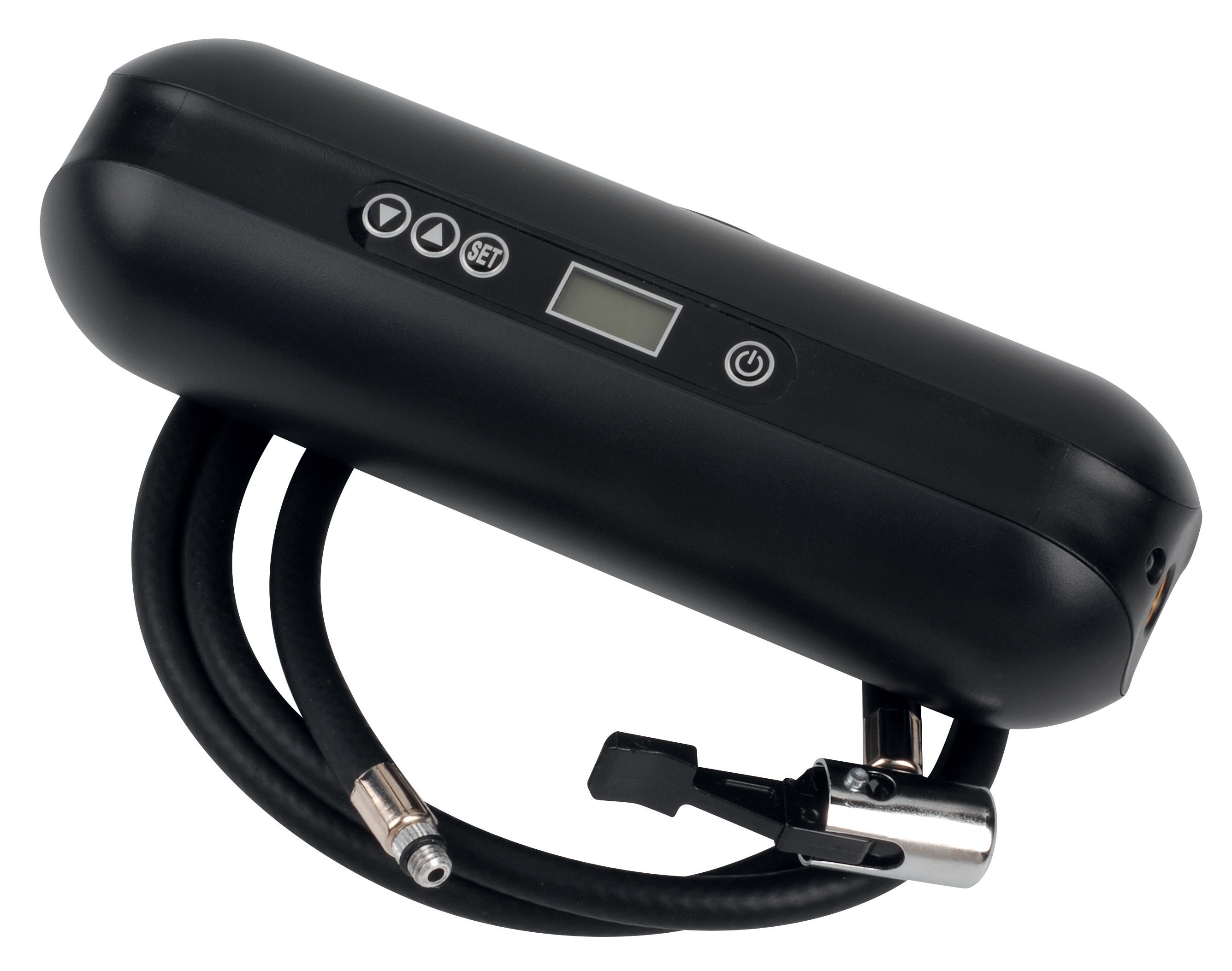
The CBM expansion tank inflator (2000 mAH, 10.3 bar max) serves double duty: pre-pressurizing expansion tanks and verifying system equilibrium. Many contractors treat expansion tank setup as a checkbox task; detection-aware contractors use it as a diagnostic opportunity.
Detection Applications:
- Baseline Establishment: Pressurize expansion tanks to design specs and record the pressure. Six months later, if pressure has drifted, you've detected a system leak before major damage occurs.
- Temperature Compensation: The inflator operates across -20 to +60°C, allowing use in equipment rooms that may not match ambient temperature. Pressure readings taken in a 35°C plant room mean something different than readings taken in an air-conditioned office.
- Vibration & Sound Correlation: While inflating or releasing pressure, listen for unusual sounds (hissing, gurgling) that might indicate micro-leaks, trapped air, or thermal stratification.
Expansion tank procedures are quick—inflate, verify gauge, move on. But contractors using Measurement & Detection discipline take 30 seconds extra to record data and review historical trends. Over a year, this reveals patterns (seasonal drift, gradual pressure loss) that inform whether a system is genuinely healthy or heading toward failure.
Field Comparison: If you're doing basic service maintenance, a mechanical gauge check of expansion tank pressure suffices. If you're building a reputation for reliability and want to offer customers preventive insights, record expansion tank pressure data during each visit and flag trends in your service reports. The inflator's 2000 mAH battery and multiple pressure units support this systematic approach across different system designs (hydronic, pneumatic, mixed).
Integration Strategy: Building Your Measurement & Detection Toolkit
Starter Configuration (Single Technician, Service Calls)
- Analog pressure gauge (0–40 mbar) for quick system checks
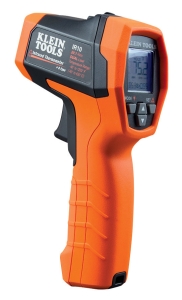
- Simple thermometer or infrared gun for temperature verification
- Battery inflator for expansion tank work
- Total investment: Under SGD 300; Time to diagnose basic issue: 5–10 minutes
Intermediate Configuration (Growing Service Area, Commissioning Work)
- Above starter tools, plus:
- PT100 RTD temperature probe with portable readout device
- One differential pressure transmitter for the main chiller loop or critical AHU
- Total investment: SGD 1,200–1,800; Time to diagnose complex issue: 20–30 minutes
Advanced Configuration (Fleet Operations, Energy Consulting)
- Full suite above, plus:
- Flow probe for commissioning validation
- Multiple transmitters across different systems
- Data logging software and BMS integration
- Total investment: SGD 5,000+; Diagnostic capability: Real-time trend analysis, predictive alerts
Don't over-invest upfront. Most Singapore HVAC contractors thrive with intermediate configuration—enough sophistication to diagnose 95% of common issues, without the complexity that slows down routine service work.
Practical Field Tips for Singapore Conditions
Humidity & Corrosion: Stainless steel components in all recommended tools resist tropical corrosion far better than standard steel. The Preciman gauge's stainless construction justifies its cost in a humid environment where standard gauges degrade within months.
Temperature Extremes: Equipment rooms in Singapore often reach 40°C+. The RTD probe's -35.5 to +115.5°C range and inflator's -20 to +60°C operation ensure accuracy even in worst-case conditions. Always record the ambient temperature when taking readings, as pressure changes approximately 0.4% per °C.
Data Documentation: Contractors who photograph gauge readings during every service call build an invaluable historical record. Within 12 months, you'll identify which customer systems drift slowly (planned replacement) versus which fail suddenly (warranty claim). Digital transmitters automate this, but basic documentation practices cost nothing.
Commissioning Timeline: Many Singapore contractors rush system commissioning to meet project deadlines. Measurement & Detection work—proper flow validation, temperature mapping, pressure equilibrium verification—cannot be rushed. Budget an extra 2–3 hours for new system commissioning if you want to deliver systems that maintain comfort and efficiency for years, not just pass handover inspection.
Conclusion: Detection as Professional Differentiation
Measurement & Detection capabilities distinguish contractors who solve customer problems from those who merely respond to complaints. In Singapore's competitive HVAC market, this distinction drives repeat business and premium pricing.
Drawing on 35 years of industrial equipment distribution across Southeast Asia, 3G Electric has observed that the most successful contractors invest deliberately in measurement tools matched to their service scope. They don't buy every product; they choose strategically based on recurring customer needs.
Start with the pressure gauge and expansion tank inflator. Add temperature and flow detection as your service scope grows. Document everything. Over time, this disciplined approach to Measurement & Detection transforms your service operation from task-based to outcome-based—and customers will notice the difference in system reliability and performance.
For specific product selection or technical questions about integrating these tools into your commissioning workflow, contact 3G Electric's technical team. We've supported HVAC contractors across Singapore and Southeast Asia for over three decades.