Understanding Maintenance & Service Priorities for Singapore HVAC Operations
Maintenance & Service excellence distinguishes contractors who build loyal client bases from those struggling with reputation damage. In Singapore's humid, hot climate with year-round cooling demand, HVAC systems operate under continuous stress. Unlike temperate regions where seasonal maintenance windows exist, Singapore contractors must manage predictable service demands across commercial, hospitality, and industrial facilities simultaneously.
With over 35 years of experience distributing industrial equipment across Southeast Asia, 3G Electric understands the pressure contractors face. System failures during operational hours—especially in data centers, hospitals, and hospitality venues—cost clients thousands per hour in lost productivity or guest satisfaction. Your maintenance & service protocols directly impact your competitive positioning and long-term client retention.
The challenge isn't performing maintenance; it's performing it efficiently while maintaining system uptime and managing component inventory strategically.
Section 1: Rapid Diagnostics and Emergency Response Protocols
Establishing Systematic Troubleshooting Procedures
When a client's HVAC system fails, your response time and diagnostic accuracy determine whether you retain that account. Effective Maintenance & Service begins with standardized troubleshooting workflows that your technicians can execute consistently.
Develop a diagnostic checklist addressing the three critical system areas:
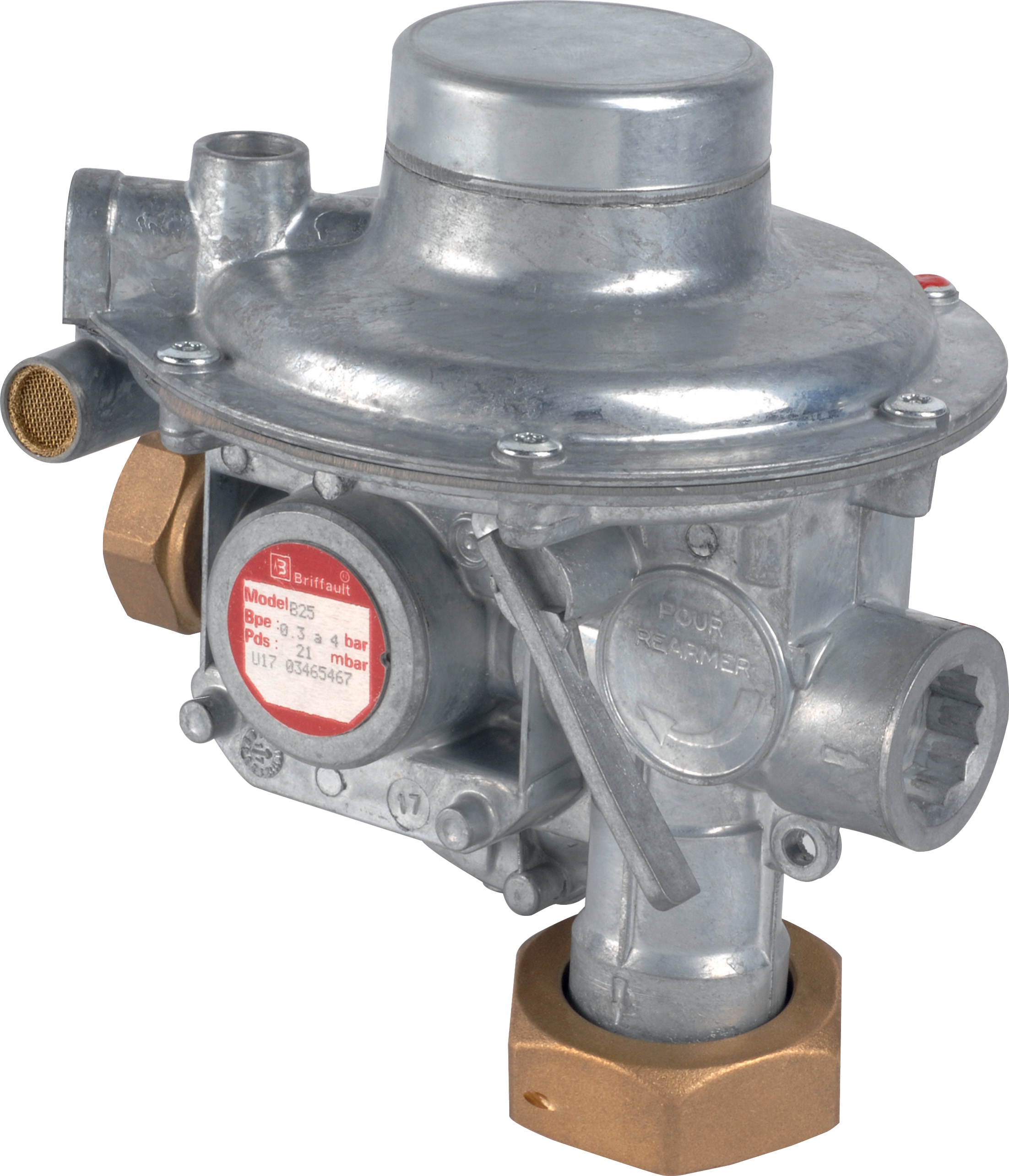
Pressure Systems and Regulation: Gas pressure regulators like the Francel B25/37mb maintain consistent outlet pressure essential for proper burner operation. When systems lose temperature control, pressure inconsistency is frequently the culprit. Train technicians to verify outlet pressure against manufacturer specifications within the first five minutes of assessment. A regulator delivering variable pressure appears as erratic temperature swings to building managers—they'll call competitors if you don't diagnose this quickly.
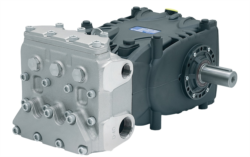
Flow and Circulation Components: For hydronic heating systems common in larger Singapore installations, pump performance degradation often precedes complete failure. The Pratissoli KF30 industrial pump delivers 106 L/min at 200 bar—critical specifications to verify during diagnostics. Measure actual flow against nameplate ratings. A 15-20% flow reduction indicates impeller wear or inlet blockages, allowing you to schedule replacement before complete failure.
Application-Specific Nozzle Performance: Industrial cleaning systems and high-pressure condensing units depend on nozzle consistency. The Euspray flat jet nozzle HP 1/4" M BSPT requires visual inspection during every service call. Nozzle wear changes spray angle and pattern, reducing heat transfer efficiency and increasing fuel consumption. Photograph nozzle condition to document performance for clients.
Creating Client Communication Frameworks
Effective Maintenance & Service includes transparent communication during emergencies. When diagnostics reveal failing components, clients appreciate contractors who explain findings clearly rather than simply quoting replacement costs.
Develop a simple visual reporting system:
- Green: Component operating within specifications, normal maintenance only
- Yellow: Component showing degradation, schedule replacement within 4-6 weeks
- Red: Component failure risk immediate, replacement required before continued operation
This framework helps clients budget for maintenance & service costs and demonstrates your professional expertise.
Section 2: Preventive Maintenance & Service Scheduling for Singapore's Operating Environment
Climate-Specific Maintenance Intervals
Singapore's tropical environment accelerates component degradation compared to temperate climates. High humidity promotes corrosion in pressure regulators and valve bodies. Ambient temperatures consistently above 28°C stress pump seals and reduce fluid viscosity stability.
Adjust standard maintenance intervals downward:
- Monthly inspections for systems in continuous operation (vs. quarterly in cooler regions)
- Quarterly fluid analysis for circulating systems to detect corrosion products and water contamination early
- Semi-annual nozzle replacement for high-pressure spray systems (vs. annual in other regions)
- Quarterly pressure regulator calibration verification for critical building systems
This aggressive schedule prevents emergency calls and positions you as a reliability partner rather than a reactive repair service.
Component Selection Strategy for Maintenance & Service Sustainability
Choosing robust components reduces lifetime Maintenance & Service costs for both you and your clients. Higher-quality components often cost 20-30% more initially but deliver 3-5 times longer service life and fewer emergency interventions.
Consider the Pratissoli MW40 pump for larger installations requiring 211 L/min at 210 bar. Italian-engineered Pratissoli pumps are specified by industrial operations worldwide because Maintenance & Service intervals extend to 2,000+ operating hours between seal replacement. Compare this to budget-grade pumps requiring service every 800 hours, and the cost justification becomes obvious.
Similarly, industrial-grade pressure regulators like the Francel B25/37mb with integrated safety relief cost more than basic regulators but deliver years of stable performance in harsh environments. The integrated safety function eliminates downstream component damage from pressure spikes—a single prevented catastrophic failure justifies the component's premium cost.
When recommending components to clients, frame Maintenance & Service costs over the component's five-year lifecycle, not just initial purchase price.
Section 3: Building Your Maintenance & Service Documentation and Inventory Strategy
Creating Effective Service Records
Maintenance & Service documentation serves multiple purposes: it protects you legally, helps technicians identify patterns, and provides clients with system history. Implement a standardized record format capturing:
- Date, time, and technician identification
- Baseline measurements (pressures, flows, temperatures) before work begins
- Component specifications verified (nameplate pressure ratings, flow capacities)
- Work performed with before/after measurements
- Components replaced with part numbers and serial numbers
- Recommendations for next service interval
- Client signature acknowledging work performed
Digitize these records. Smartphone-based service documentation apps let technicians input data on-site and automatically generate reports for clients. This professionalism differentiates your Maintenance & Service practice from competitors still using paper clipboards.
Strategic Component Inventory for Emergency Response
Singapore's competitive contracting environment means clients expect emergency repairs within hours, not days. Maintaining strategic inventory of high-failure-rate components reduces client frustration and increases your margin on emergency service calls.
Priority inventory items for most HVAC contractors:
- Pressure regulator cartridges (your most frequent on-site replacement)
- Pump seal kits for your two or three most-specified pump models
- Spray nozzles in the three most common configurations
- Solenoid valve coils
- Flow meters for quick diagnostics
Calculate inventory investment based on your service call frequency. If you perform 20 service calls monthly and 15% involve regulator replacement, you'll replace 36 regulators annually. Maintaining 4-6 units in stock costs perhaps $400 but eliminates delays costing you $2,000+ in lost client relationships.
Establish supplier relationships with 3G Electric for rapid restocking. Our 35+ years distributing industrial equipment across Southeast Asia means we maintain regional stock of critical components, ensuring you're not waiting weeks for replacements during your peak service season.
Section 4: Measuring Maintenance & Service Performance and Continuous Improvement
Key Performance Indicators for HVAC Contractors
Track specific metrics demonstrating your Maintenance & Service effectiveness:
First-Call Resolution Rate: Percentage of service calls resolved without requiring return visits. Target 85%+ (industry standard is 65-70%). Low first-call resolution indicates inadequate diagnostics or component availability issues.
Emergency Response Time: Hours between client call and technician arrival for critical system failures. Singapore's traffic and geographic dispersal mean 2-3 hour response times are realistic. Document this metric to demonstrate commitment to clients.
Component Reliability (Mean Time Between Failures): Average operating hours between Maintenance & Service interventions for each equipment type. Track separately for each client to identify which systems need more aggressive preventive maintenance.
Preventive Maintenance Compliance: Percentage of scheduled maintenance appointments clients allow you to complete. Clients who resist preventive Maintenance & Service typically experience higher emergency failure rates—use this data to educate them about lifecycle costs.
Continuous Improvement Through Failure Analysis
Every component failure is data. Establish a simple failure tracking system:
- Component type and manufacturer
- Operating hours to failure
- Failure mode (seal leak, corrosion, mechanical wear, electrical)
- Environmental conditions at time of failure
- Preventive actions that might have extended life
Over 12-24 months, patterns emerge. Perhaps pressure regulators from one manufacturer fail 40% more frequently than another, or pump seals degrade faster in high-vibration installations. Use this data to inform component selection for future installations and preventive Maintenance & Service strategies.
Share relevant findings with clients. A simple note—"Analysis of your system's performance suggests upgrading to industrial-grade nozzles to reduce maintenance intervals"—demonstrates expertise and justifies premium component recommendations.
Implementing Maintenance & Service Excellence in Your Singapore Practice
Excellent Maintenance & Service is neither complicated nor exotic—it's disciplined execution of systematic processes. Begin with three immediate actions:
1. Standardize diagnostics with a written checklist your technicians follow for every call
2. Establish preventive schedules reflecting Singapore's tropical environment, not temperate-region intervals
3. Build component inventory focused on your five highest-failure-rate items
These fundamentals eliminate most contractor frustrations. From this foundation, you can layer more sophisticated practices: predictive monitoring, advanced diagnostics, and strategic component upgrades.
Partner with 3G Electric for component selection and supply chain support. Our understanding of Southeast Asian industrial operations, combined with relationships with manufacturers like Pratissoli, Francel, and Interpump, ensures you access quality components quickly when your Maintenance & Service demands spike.