Understanding Gas Valves & Regulation in Your Plant Environment
Gas valves and regulation systems are critical safety and efficiency components in modern industrial facilities. Whether you operate food processing lines, manufacturing plants, or power generation systems, the reliability of your gas control infrastructure directly impacts production output, safety compliance, and operational costs.
At 3G Electric, we've been supporting industrial operations across Asia-Pacific for over 35 years. Throughout that time, we've observed that plant managers often struggle with three core challenges: detecting developing valve problems before catastrophic failures occur, understanding when to repair versus replace aging components, and integrating pressure monitoring data into preventive maintenance schedules.
This guide provides actionable strategies that plant managers in Singapore can implement immediately to strengthen gas valve reliability and reduce unplanned downtime.
Section 1: Establishing Real-Time Pressure Monitoring Systems
Why Pressure Monitoring Matters
Pressure fluctuations are the most reliable early warning system for valve degradation. Rather than waiting for a valve failure to stop production, a properly configured monitoring system alerts you to developing problems days or weeks in advance.
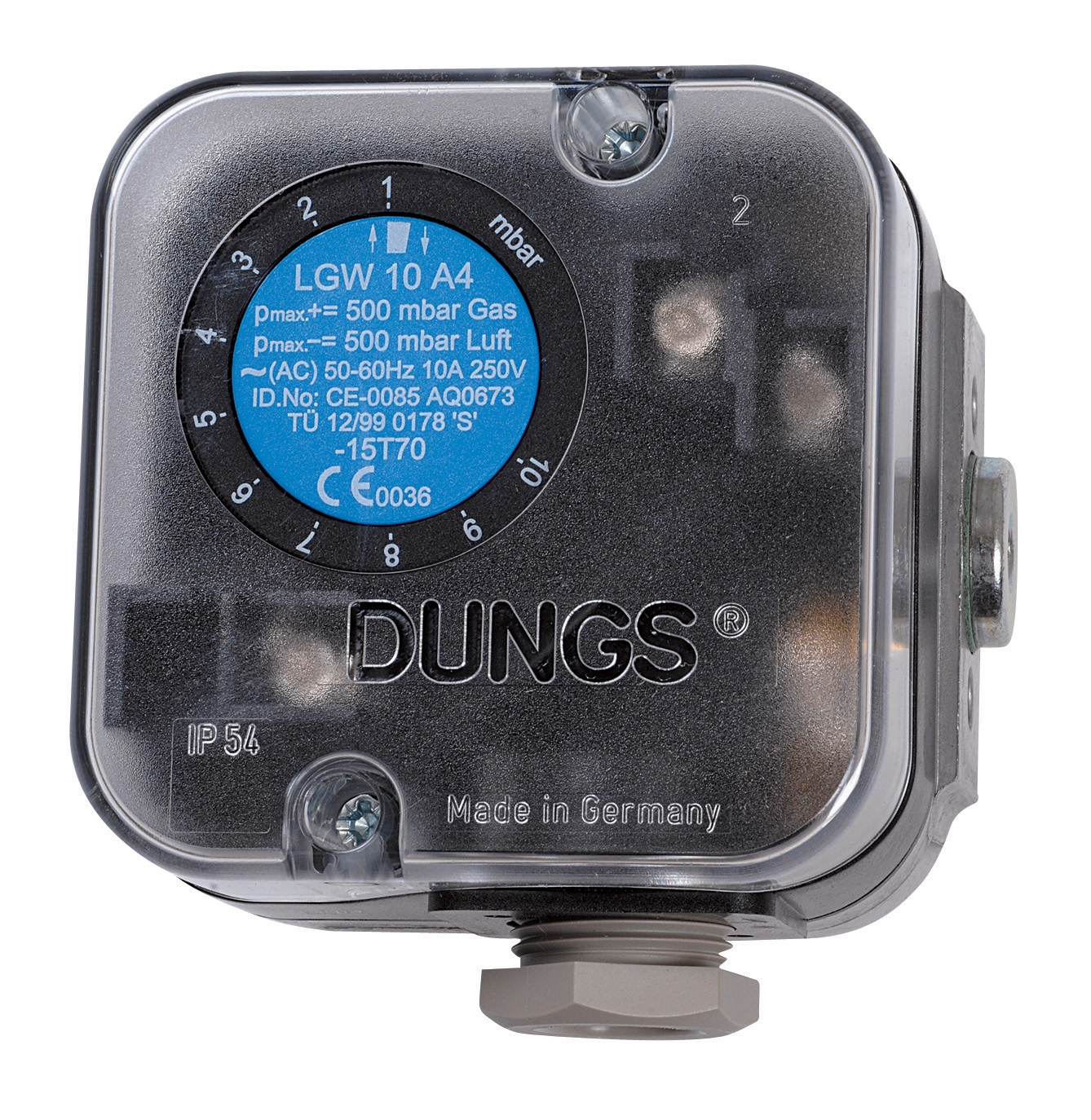
The DUNGS LGW 3 A2 pressure switch offers a practical entry point for plant managers building monitoring capability. This differential pressure switch detects pressure variations across 0.4–3 mbar ranges and integrates directly with your plant control systems through its single NC and two NO contacts. For most Singapore industrial applications, this provides the sensitivity needed to catch early-stage valve wear.
Implementation Steps
Step 1: Map Your Pressure Points
Identify all critical pressure measurement locations in your gas system. For typical plant layouts, this includes:
- Main inlet line (after primary regulator)
- Secondary regulation stages (if multiple pressure zones exist)
- Burner supply lines
- Safety pilot circuits
For each measurement point, choose pressure switches that match your operational pressure range. The DUNGS LGW 3 A2, for example, works well for low-pressure gas regulation circuits common in HVAC, pilot systems, and safety applications. For high-pressure applications (above 3 mbar), you'll need equipment rated for your specific range.
Step 3: Connect to Your Control System
Integrate pressure switch outputs into your existing DCS (Distributed Control System) or PLC (Programmable Logic Controller). Set alert thresholds 10-15% higher or lower than normal operating pressure to catch drift before it becomes critical.
Step 4: Establish Baseline Readings
After installation, operate your system normally for 2-3 weeks while recording pressure data. This creates a baseline that helps identify abnormal behavior patterns specific to your equipment and facility conditions.
Section 2: Implementing Predictive Maintenance Protocols
Building Your Maintenance Calendar
Plant managers often switch between reactive and preventive maintenance without leveraging predictive data. Real predictive maintenance combines pressure monitoring data with component lifecycle knowledge to determine optimal service intervals.
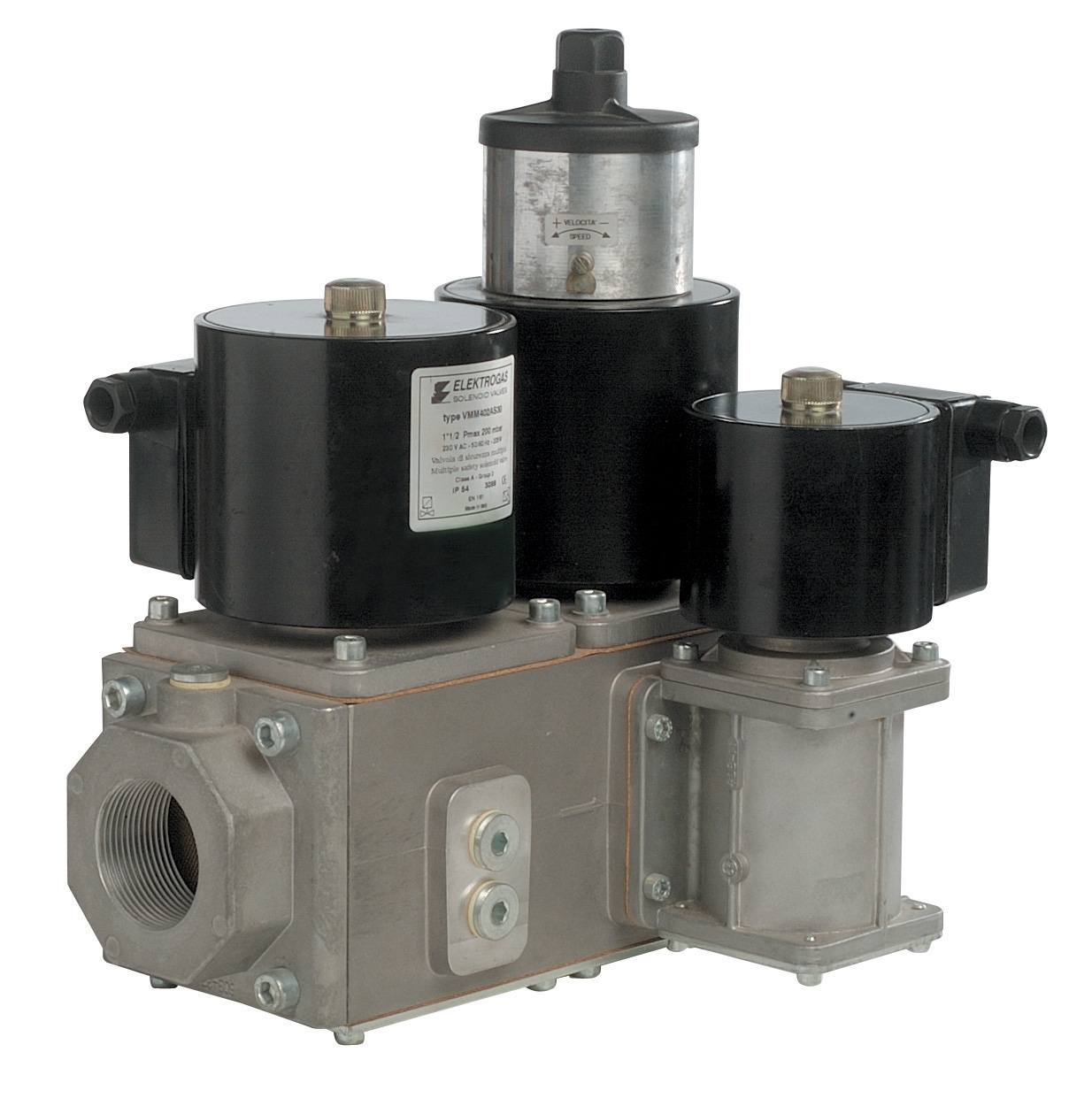
For solenoid gas valves like the Elektrogas Multiblock VMM255AF01, typical maintenance patterns show:
- Initial drift phase (months 0-18): Minimal pressure variation; performance stable
- Linear wear phase (months 18-48): Gradual pressure increase or decrease; predictable degradation
- Failure acceleration phase (months 48+): Rapid changes; imminent failure risk
Developing Your Predictive Model
Track these parameters monthly:
- Pressure baseline drift: Record actual pressure readings at fixed flow rates
- Response time: Measure how quickly your valve reaches steady-state pressure after demand changes
- Hysteresis: Monitor the pressure difference between valve opening and closing points
- Leakage rate: For regulators, detect downstream pressure decay when inlet pressure is isolated
When pressure baseline drift exceeds 5% of your normal operating range, schedule valve service or replacement within 30 days. If response time increases by more than 20%, prioritize replacement in your next maintenance window.
Pressure Switch Monitoring Frequency
The DUNGS pressure switch should be tested weekly during normal operations:
1. Verify alarm thresholds trigger at expected pressure levels
2. Confirm control system responds to switch signals
3. Check for any drift in baseline readings
Document these tests in your maintenance log. Over time, you'll identify patterns that signal when replacement is necessary (typically every 3-5 years depending on cycling frequency).
Section 3: Diagnosing Common Valve Performance Problems
Reading Pressure Data to Identify Root Causes
When monitoring data indicates valve degradation, systematic diagnosis determines whether to repair or replace. Three common scenarios plant managers encounter:
Scenario 1: Gradual Pressure Rise in Regulated Circuit
Symptom: Downstream pressure slowly increases from 50 mbar to 65 mbar over several weeks, even though inlet pressure remains constant.
Cause: Regulator valve seat damage or internal leakage in the pilot circuit.
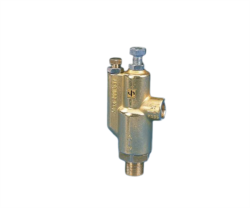
Action: For multiple-stage regulation systems using equipment like the Interpump KR92 pressure regulating valve, check pilot supply line integrity first. If pilot pressure is normal, the main valve seat requires replacement. The KR92 handles 11 L/min flows at 90 bar maximum, making it suitable for most industrial pressure regulation tasks. Order replacement hardware and schedule maintenance.
Scenario 2: Rapid Pressure Oscillation
Symptom: Pressure readings fluctuate ±3 mbar every 2-3 seconds around setpoint.
Cause: Damping orifice blockage in the regulator, or instability in solenoid valve control electronics.
Action: For solenoid-based systems with the Elektrogas Multiblock, first verify that your control loop tuning hasn't changed recently. If oscillation persists after control adjustment, the solenoid coil or internal blockage requires service. This typically involves full valve replacement rather than repair.
Scenario 3: Valve Won't Hold Pressure (Creeping Leakage)
Symptom: Downstream pressure decays 2-3 mbar per hour when inlet supply is isolated (no flow demand).
Cause: Main valve seal degradation or contamination in the valve chamber.
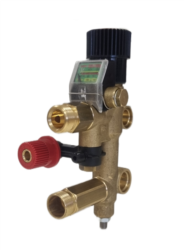
Action: Close isolation valves on both sides of the affected regulator or control valve. Open the main valve outlet to bleed residual pressure safely. Then remove the valve for inspection or replacement. For high-pressure systems that may have generated significant wear, component sets like the Pratissoli ZT16B0805757 or Pratissoli ZT12B0800606 ensure you have exact replacements available from your supplier.
Contamination Detection Through Pressure Analysis
Contamination (dust, corrosion products, moisture) progressively degrades valve seats and seals. Two telltale signs appear in pressure data:
1. Increasing pressure variance: Previously stable readings show growing fluctuation
2. Stiction behavior: Valve response becomes jerky or delayed at specific pressure points
When contamination is suspected, inspect your system's filtration. Most industrial gas systems should include:
- Inlet filter on primary gas supply
- Secondary filter downstream of main regulator
- Moisture trap before pilot circuits (especially in humid Singapore climate)
If filters are blocked or approaching capacity, contamination has likely already reached your valves. Plan valve maintenance and filter replacement together.
Section 4: Practical Maintenance Team Workflows
Creating Your Maintenance Schedule Template
Plant managers should implement a simple tracking system that your maintenance team can execute consistently. Use this format:
Weekly Checks
- Read all pressure switch setpoints and compare to baseline
- Verify control system acknowledges alarm signals
- Inspect for visible leaks around valve connections
- Document readings in maintenance log
- Calculate pressure drift percentage (actual vs. baseline ÷ baseline × 100)
- Review valve response time trends
- Check solenoid coil voltage and current (if instrumentation available)
- Flag any parameters exceeding thresholds for escalation
- Clean external valve surfaces and connections
- Verify pilot supply line integrity
- Test isolation valve operation (open/close cycles)
- Review maintenance log for emerging patterns
- Replace all pilot pressure switches (preventive measure)
- Inspect regulator internal components if accessible
- Replace system filters regardless of apparent blockage
- Verify all connections and fittings for corrosion
Spare Parts Strategy for Plant Managers
Downtime from missing replacement parts is often more costly than the parts themselves. Maintain on-site inventory of:
- Pressure switches matching your installed base (DUNGS LGW 3 A2 if you use that model)
- Control valve complete assemblies for each regulation stage
- Solenoid coils for any solenoid-operated equipment
- Gaskets, seals, and connection fittings for emergency repairs
Work with 3G Electric or your preferred supplier to establish a spare parts package that covers 12 months of likely failures. For Singapore-based operations, this typically includes 2-3 complete valve replacements plus consumable seals and filters.
Safety Considerations During Maintenance
Before any valve work:
1. Isolate all pressure sources using block and bleed valves
2. Vent downstream pressure through the regulator outlet or pilot drain
3. Never assume a system is depressurized without verification
4. Wear appropriate PPE including pressure-rated gloves and eye protection
5. Have a second person present to monitor safety and assist
For high-pressure systems above 5 bar, consider using a regulated test gauge to confirm zero pressure before opening any connections.
Conclusion
Gas valve reliability depends on consistent monitoring, systematic analysis, and planned maintenance rather than reactive crisis response. By implementing real-time pressure monitoring with equipment like the DUNGS LGW 3 A2, adopting predictive maintenance protocols based on pressure trend data, and maintaining your team's expertise through regular hands-on work, plant managers can reduce unplanned downtime by 40-60% while extending equipment life.
3G Electric's 35+ years of experience across Asia-Pacific industrial sectors has shown us that plants using structured monitoring consistently outperform those relying on reactive maintenance. The systems and procedures outlined here are proven across Singapore manufacturing, food processing, and utility facilities.
Start with pressure monitoring in your most critical regulation stages, build your baseline data, and expand systematically across all gas control circuits. Your maintenance team will develop confidence in the predictive approach, and your plant's reliability will improve measurably within the first year.