Understanding Gas Valves & Regulation in Your Plant's Equipment Lifecycle
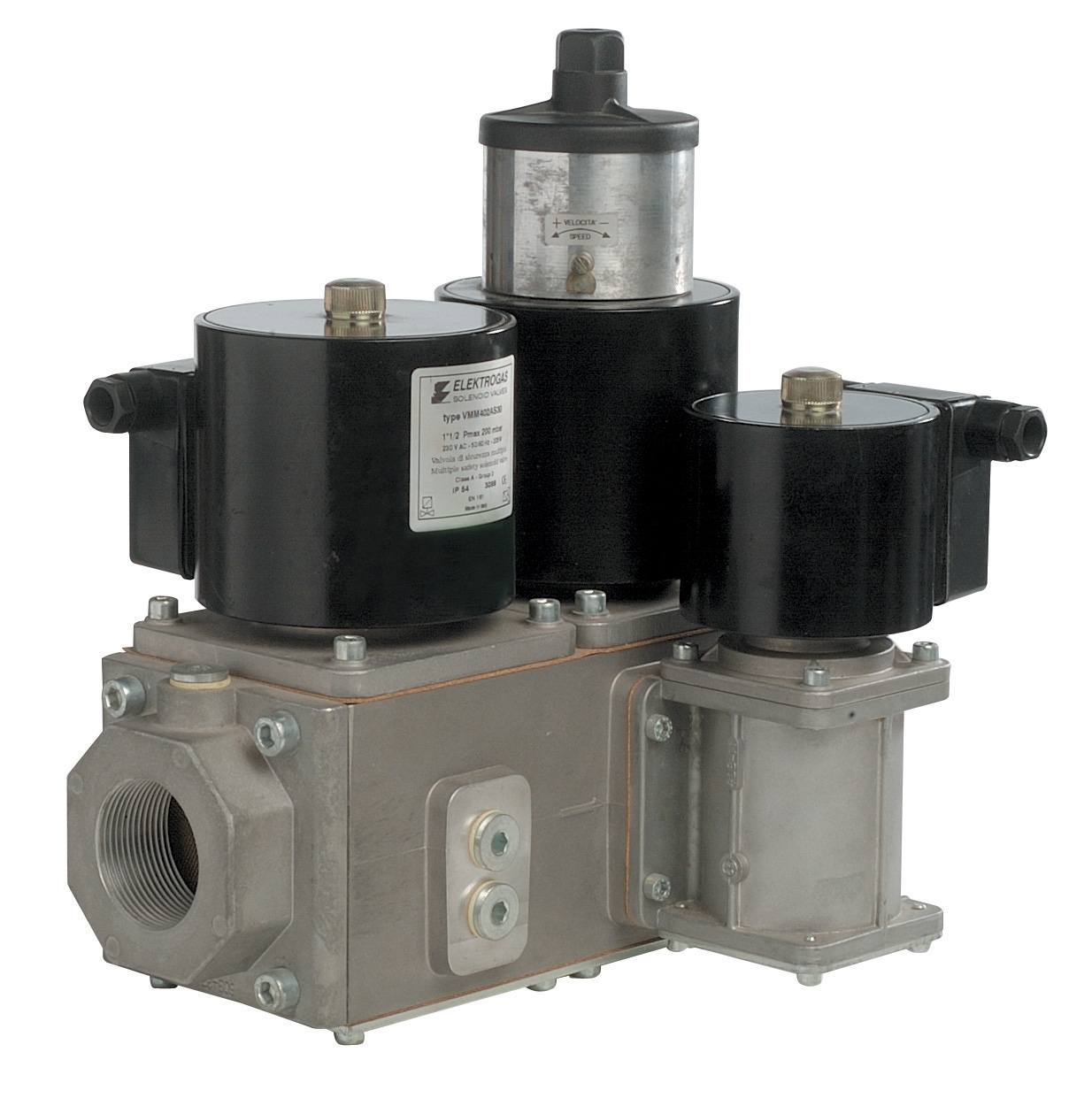
Gas Valves & Regulation systems are critical to continuous operation in industrial plants, yet many facility managers treat them as reactive problems rather than managed assets. With over 35 years of industrial equipment distribution experience, 3G Electric has observed that plants using structured lifecycle management reduce unplanned shutdowns by 40-60% while extending valve service life significantly.
Unlike mechanical components that show obvious wear, gas regulation equipment degrades gradually—pressure drift develops over months, seal integrity weakens silently, and filter saturation happens invisibly. A plant manager in Singapore faced three emergency shutdowns in six months before implementing a documented maintenance calendar. The cost of those incidents exceeded the annual budget for preventive servicing by 300%.
This guide focuses on the practical aspects of managing gas valve systems from installation through planned replacement, helping you avoid costly failures and maintain regulatory compliance.
Section 1: Establishing Your Maintenance Schedule and Documentation System
Why Plant Managers Need a Gas System Inventory
Your first step is creating a complete audit of every gas valve and regulation component in operation. Record serial numbers, installation dates, manufacturer specifications, operating conditions, and pressure ranges for each device. This single document becomes your early warning system.
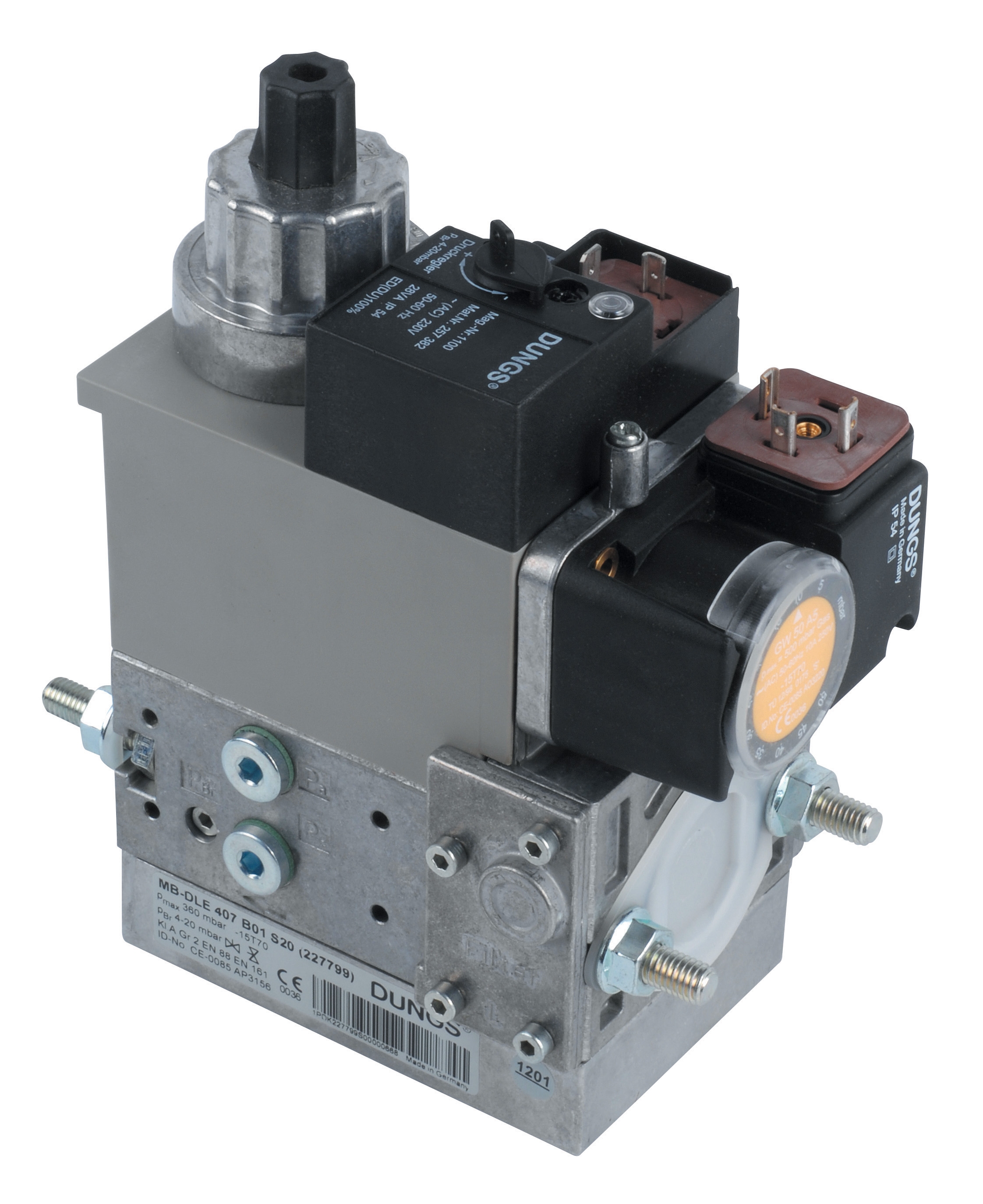
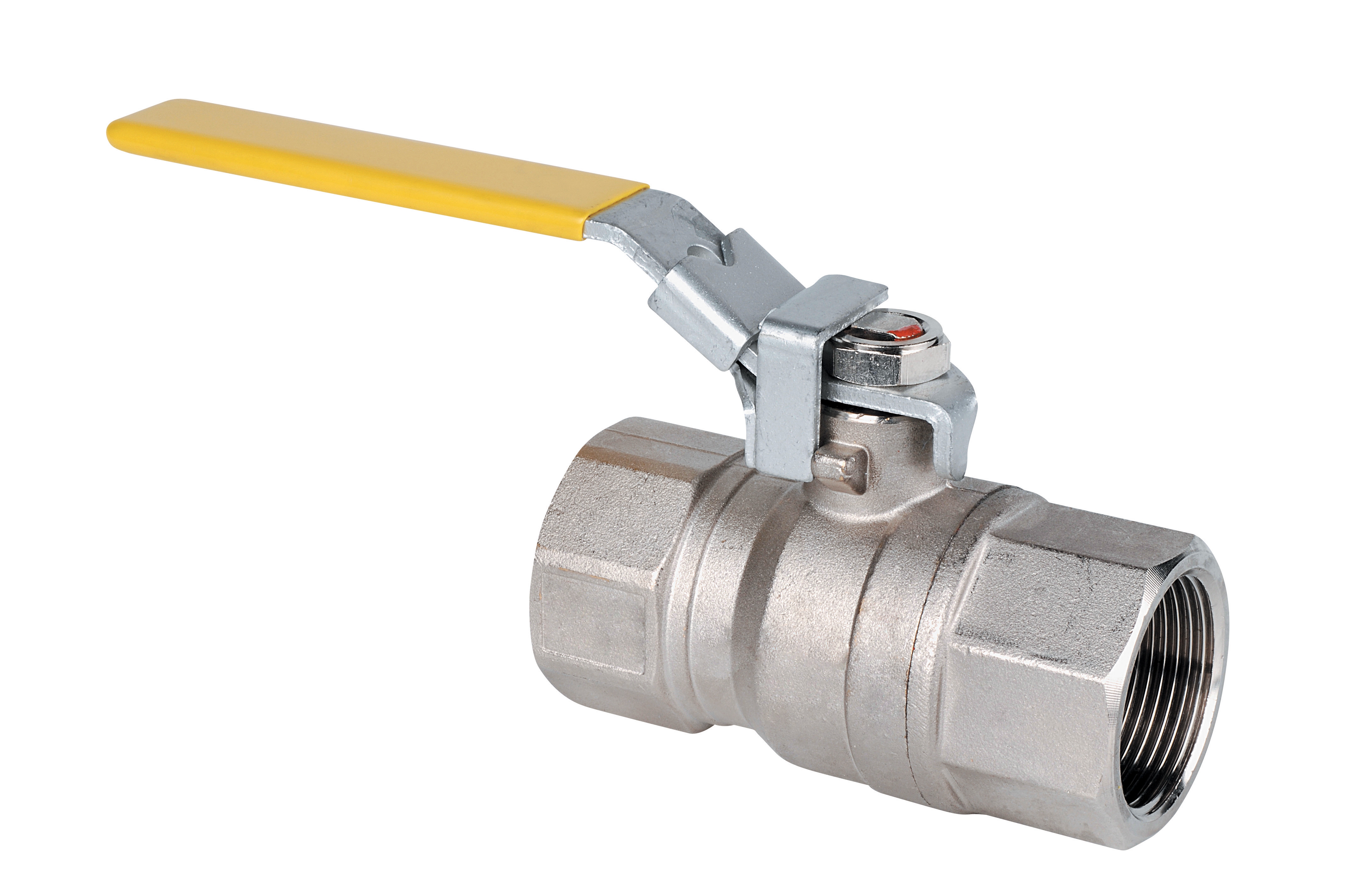
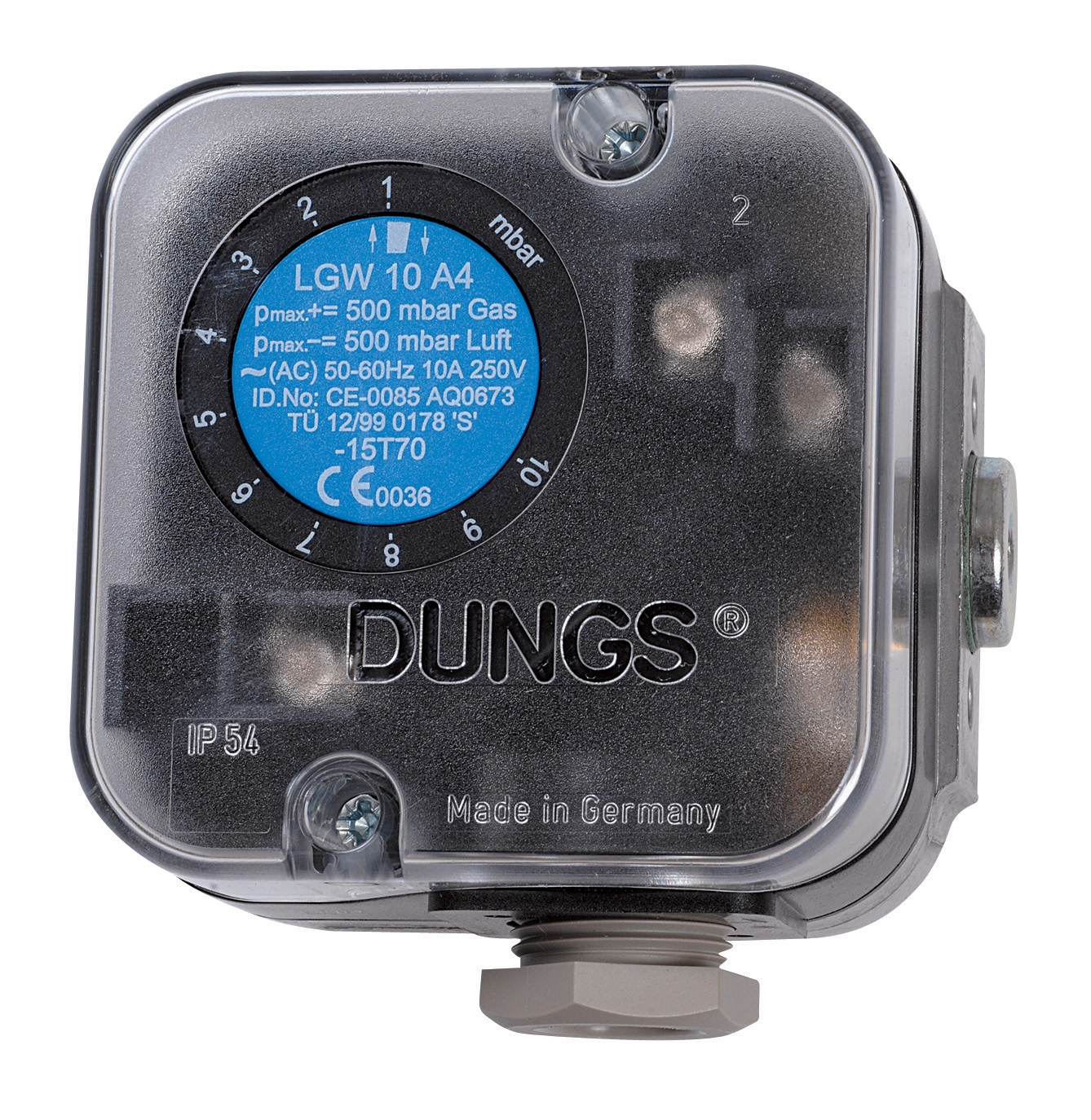
For each major component—including regulators like the Dungs MBDLE 415 B01.S52 integrated regulation assembly, pressure switches like the Dungs LGW 3 A2 differential pressure switch, and isolation valves such as the CBM 1/2" padlock valve—assign a unique ID and track its operating hours or calendar age.
Creating a Tiered Maintenance Calendar
Develop maintenance at three levels:
Daily Visual Checks (Operator Level)
- Verify no gas odor around valve assemblies
- Check pressure gauge readings against setpoints
- Confirm pilot light stability (if applicable)
- Document observations in a simple log
- Measure actual outlet pressure and compare to calibration setting
- Listen for audible leaks or hissing
- Check filter differential pressure indicators
- Inspect solenoid coils for corrosion or moisture
- Test valve response by observing gas flow changes
- Remove and bench-test pressure regulators
- Replace internal seals and diaphragms
- Clean filter elements or replace cartridges
- Recalibrate pressure switches
- Perform full safety shutdown testing
For Singapore's tropical climate with high humidity and salt-air exposure in coastal facilities, add a 6-month intermediate inspection specifically checking for corrosion on metal components and moisture ingress into solenoid assemblies.
Section 2: Recognizing Component Degradation Patterns
Pressure Drift as a Lifecycle Indicator
Pressure creep is the most common sign of internal valve wear. When your regulation system maintains stable pressure under load but pressure slowly rises over weeks—drifting 0.2-0.5 bar above setpoint—internal seals are beginning to fail.
Document pressure readings at the same operating condition weekly. Plot them on a simple graph. A linear upward trend indicates progressive seal wear; you have 4-8 weeks before the valve loses usable control. Schedule replacement during planned downtime rather than emergency outage.
Filter Saturation and Bypass Activation
Integrated assemblies like the Dungs MBDLE 415 include integral filters. When differential pressure across the filter exceeds design limits, bypass valves activate—contaminated gas suddenly enters your system downstream.
Monitor these indicators:
- Visible discoloration on pressure gauge faces (dust accumulation)
- Pressure drop between inlet and outlet increasing month-to-month
- Unexpected surges in downstream gas flow despite stable setpoint
- Visible condensation or water droplets in visible filter bowls
In high-humidity Singapore plants, replace filter cartridges every 3-4 months rather than waiting for visual saturation. Moisture absorption accelerates element degradation and reduces service life by 40%.
Solenoid Coil and Electrical Component Aging
Solenoid coils on regulation systems typically last 5-7 years in standard conditions, but tropical humidity reduces lifespan to 3-4 years. Signs of electrical degradation include:
- Increased response lag when solenoid energizes
- Humming noise that increases in pitch
- Intermittent non-response to control signals
- Visible corrosion on connector pins
- Heat generation around coil housing
Measure coil resistance annually using a multimeter. Document baseline values; resistance increasing beyond 10% of baseline indicates insulation breakdown. Plan replacement within 6-12 months.
Section 3: Strategic Replacement Planning and Supply Chain Management
Calculating Total Cost of Ownership by Component
Plant managers often purchase the cheapest valve option, then face premium pricing for emergency parts and expedited shipping. Instead, calculate lifecycle cost:
Simple TCO Formula:
(Equipment cost) + (Average annual maintenance) × (Expected lifespan in years) + (Failure downtime cost estimate)
A premium-engineered regulator costing 25% more than budget options, but lasting 8 years with lower maintenance costs, delivers 40-50% lower total cost of ownership than cheaper alternatives lasting 4-5 years with frequent adjustments.
Building a Strategic Spare Parts Reserve
For critical gas regulation systems, maintain these spare components:
- One complete regulator assembly (matched to primary system)
- One pressure switch with same setpoint range
- One isolation valve of same type as installed
- Filter cartridges (quantity = 2× annual usage rate)
- Seal kits for solenoid and regulator bodies
- Calibrated pressure gauges
Store spares in temperature and humidity-controlled conditions. In Singapore, moisture damage accounts for 30% of spare part failures before installation. Use desiccant packs in sealed boxes; replace annually.
Partnering with Reliable Suppliers
3G Electric's 35+ years distributing industrial equipment means we understand your supply chain challenges. When sourcing replacements, prioritize suppliers offering:
- Technical datasheets and application guides
- Responsive technical support for troubleshooting
- Competitive lead times for standard components
- Documented inspection certificates for critical items
- Clear warranty terms and replacement procedures
When you need high-quality replacements, explore our complete range including Italian-engineered options like the Pratissoli valves and Pratissoli Pilotflex hoses for high-pressure applications, or precision German technology like the Dungs differential pressure switch designed specifically for gas regulation accuracy.
Section 4: Documentation Systems That Drive Predictive Maintenance
Building Your Maintenance Database
Transition from reactive emergency repairs to predictive planning using simple spreadsheet discipline:
Essential Fields to Track:
- Equipment ID and location
- Installation date and baseline setpoint
- Last service date and work performed
- Current pressure reading and date recorded
- Filter change intervals and costs
- Electrical resistance baseline (solenoids)
- Planned replacement date (calculated from lifespan minus maintenance history)
Review this database quarterly with your maintenance team. Calculate projected maintenance costs 12 months ahead so procurement can budget accurately.
Creating Condition-Based Replacement Triggers
Instead of calendar-only maintenance, use condition data to optimize timing:
- Replace regulator when: Pressure drift exceeds 0.5 bar OR pressure adjustment range narrows to less than 1.0 bar OR coil resistance increases 15% above baseline
- Replace filter element when: Differential pressure reaches 80% of design limit OR visible moisture observed OR filter age exceeds supplier recommendation
- Replace pressure switch when: Switch fails to respond to pressure changes within ±0.1 mbar OR electrical contacts show visible pitting OR response time increases noticeably
Safety Compliance and Record Retention
Maintain permanent records of:
- Calibration testing results with dates and technician names
- Pressure relief valve settings and verification dates
- Safety shutdown testing and successful operation confirmation
- Any component replacements with part numbers and dates
Singapore regulations require 3-5 years retention of safety equipment maintenance records. This documentation protects your facility during compliance audits and demonstrates due diligence if safety incidents occur.
Conclusion: From Reactive Maintenance to Managed Assets
Gas Valves & Regulation systems deserve the same strategic lifecycle management as your larger equipment investments. By implementing scheduled maintenance, documenting degradation patterns, planning component replacement well in advance, and maintaining detailed records, plant managers can reduce emergency shutdowns by 40-60% while extending equipment service life.
The transition from reactive "fix it when it breaks" to proactive "replace it before it fails" requires modest upfront discipline but delivers substantial cost savings and operational stability. Your maintenance team and procurement department have the tools—structured schedules, performance monitoring, supplier partnerships, and documented procedures—that transform gas regulation from a facility liability into a controlled, predictable operational cost.
When you're ready to source replacement components or need technical guidance on your existing systems, 3G Electric's team brings 35+ years of industrial equipment expertise directly to Singapore plant operations.