Understanding Industry Applications: Fluid Delivery vs. Pressure Control Systems
Maintenance teams operating in Singapore's industrial landscape face a fundamental equipment decision: should they invest in dedicated high-performance fluid delivery systems, integrated pressure regulation equipment, or a hybrid approach combining both? With over 35 years of experience distributing industrial equipment across Asia-Pacific, 3G Electric has observed that the answer depends entirely on your facility's operational requirements, not one-size-fits-all recommendations.
Fluid delivery systems—exemplified by Pratissoli KF30 pumps and Pratissoli MW40 units—prioritize volume and pressure consistency across continuous industrial processes. Pressure regulation systems like the Francel B25/37mb pressure regulator excel at stabilizing outlet pressure and protecting downstream components. The distinction matters because Singapore's manufacturing sectors have distinctly different demands: petrochemical facilities need sustained high-volume delivery, while precision electronics manufacturing requires fine-tuned pressure stability.
Core Performance Characteristics: Delivery Capacity vs. Pressure Precision
Fluid Delivery Systems for High-Volume Applications
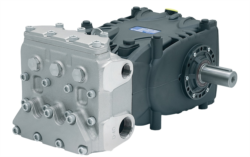
The Pratissoli KF30 represents entry-level high-performance fluid delivery, engineered by Interpump Group (Italy's leading hydraulic pump manufacturer). At 106 L/min with 200 bar pressure and 40 kW power input, this equipment suits medium-scale industrial washing, coating systems, and continuous processing lines common in Singapore's food processing and automotive manufacturing sectors. The 72 kg weight allows flexible installation in space-constrained facilities—critical in Singapore's high-density industrial parks.
For facilities handling larger volumes, the Pratissoli MW40 delivers 211 L/min at 210 bar—double the KF30's output. This equipment targets heavy-duty applications: high-pressure cleaning of industrial vessels, large-scale coating operations, and sustained fluid circulation in closed-loop systems. The 85 kW power requirement demands dedicated electrical capacity, making it suitable for established facilities with robust infrastructure.
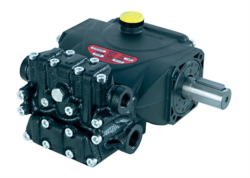
For compact applications requiring precision timing, the Interpump PUMP E1D1808 L offers 8 L/min at 180 bar in a 5 kg package. This gear pump operates at 2800 rpm with only 2.72 kW power input—ideal for small-footprint industrial spraying systems, test rigs, and portable equipment requiring high pressure without industrial-scale power consumption.
Key distinction for maintenance teams: Fluid delivery systems excel when your process requires consistent volume under varying downstream conditions. They're the backbone of active industrial operations.
Pressure Regulation Systems for Controlled Distribution
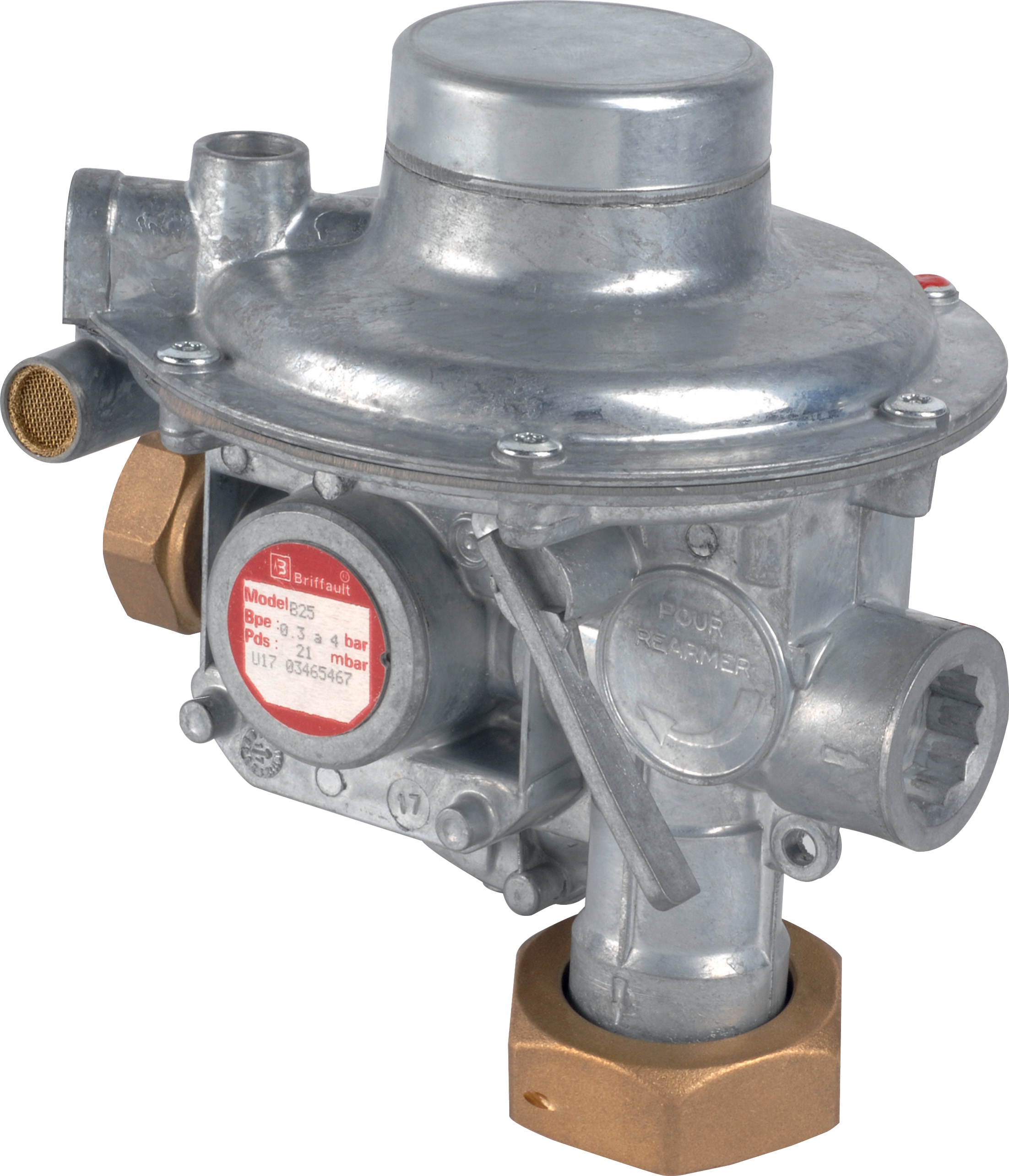
The Francel B25/37mb pressure regulator represents a fundamentally different operational philosophy. This integrated safety-relief regulator outputs precisely 37 mbar with a 10 mm vent size—designed for laboratory gas distribution, precision instrument supply, and applications requiring absolute outlet pressure consistency regardless of inlet fluctuations.
Unlike pumps that create pressure through mechanical action, regulators control pressure by modulating flow restriction. This distinction is crucial in Singapore's pharmaceutical manufacturing, semiconductor production, and laboratory-grade operations where pressure stability directly impacts product quality and equipment safety.
Key distinction for maintenance teams: Pressure regulation systems excel when your process requires consistent pressure with variable volume demands. They protect downstream components and ensure repeatable precision.
Application Mapping: Selecting Your Equipment Category
When to Choose Fluid Delivery Systems
Maintenance teams should prioritize fluid delivery equipment (KF30, MW40, or E1D1808L) when:
- Your facility runs continuous industrial processes (coating lines, wash systems, circulation loops)
- Volume output directly impacts production speed or efficiency
- Downstream equipment can tolerate minor pressure fluctuations (±5-10 bar variation)
- You operate high-temperature or corrosive environments where sealed pressure regulation becomes maintenance-intensive
- Your facility already has pressure relief devices installed separately (common in older Singapore industrial infrastructure)
- Power availability and equipment footprint are secondary concerns compared to throughput
Singapore examples: automotive component manufacturers using high-pressure cleaning between production stages; food processing facilities requiring continuous fluid circulation; petrochemical pre-treatment systems.
When to Choose Pressure Regulation Systems
Maintenance teams should prioritize pressure regulation equipment (like the Francel B25/37mb) when:
- Outlet pressure must remain stable across varying demand conditions
- Downstream instruments or sensors require precise pressure inputs (±2 mbar or tighter)
- You operate laboratory, pharmaceutical, or semiconductor environments with strict environmental controls
- Safety-critical applications require integrated relief mechanisms
- Power consumption must remain minimal (regulators consume only input pressure energy)
- Your facility handles sensitive gases or fluids where pressure spikes cause degradation
Singapore examples: semiconductor fabrication facilities requiring ultra-stable gas distribution; pharmaceutical production requiring repeatable pressure conditions; precision testing laboratories.
Integrated Application Strategy: Hybrid System Design
Singapore's most sophisticated maintenance operations often implement hybrid systems combining both equipment categories. This approach provides operational flexibility that pure fluid delivery or pure regulation cannot achieve.
Hybrid configuration example: Use a Pratissoli MW40 to generate consistent high-pressure fluid volume, then route the output through multiple Francel pressure regulators for different downstream applications requiring precise outlet pressure. This setup handles facilities with diverse production lines—some requiring raw volume, others requiring pressure stability.
The benefits for maintenance teams:
- Operational flexibility: Adjust outlet pressure per production line without reconfiguring pump settings
- Equipment protection: Regulators shield sensitive downstream instruments from pump pressure fluctuations
- Scalability: Add regulation points as production requirements evolve
- Cost optimization: Invest in one high-capacity pump rather than multiple smaller units with different pressure ratings
Practical Maintenance Considerations for Singapore Operations
Fluid Delivery System Maintenance Burden
Fluid delivery pumps require regular maintenance: seal inspection (6-month intervals), fluid analysis (quarterly), bearing alignment verification, and inlet filter replacement. In Singapore's high-humidity environment, corrosion protection becomes critical. The Pratissoli MW40 at 264 kg requires secure installation with vibration dampening—important in multi-tenant industrial parks where adjacent operations create ambient vibration.
Pressure Regulation System Maintenance Burden
Pressure regulators demand less frequent mechanical maintenance but require sensitive adjustment and calibration. The Francel B25/37mb needs annual calibration verification against precision pressure gauges (±2% accuracy minimum). The 10 mm vent line requires protection from contamination—critical in Singapore's high-particulate industrial environments.
Cost Structure Differences
Fluid delivery systems carry higher initial capital cost but lower per-unit-hour operational cost (spread across high-volume output). Pressure regulation systems carry lower capital cost but represent recurring expenses in calibration and precision adjustment. Hybrid systems optimize this tradeoff: one large pump + multiple inexpensive regulators often costs less over 5 years than multiple pumps with different ratings.
Selecting Equipment for Singapore's Specific Industrial Sectors
Petrochemical & Refining: Require high-volume continuous delivery with robust pressure relief—favor MW40 pumps with separate relief valves rather than integrated regulators.
Semiconductor & Precision Manufacturing: Require absolute pressure stability with contamination prevention—favor Francel regulators with dedicated supply lines.
Automotive Component Production: Require flexible scaling between high-volume cleaning and precision coating—favor KF30 pumps paired with Euspray flat jet nozzles for application-specific spray patterns.
Food & Beverage Processing: Require sanitary operation with pressure stability—favor Interpump E1D1808 compact gear pump paired with pressure regulators for hygiene-critical applications.
3G Electric's 35+ years distributing to Singapore facilities demonstrates that equipment selection isn't about "better" technology—it's about matching operational reality to equipment capability. Your maintenance team's expertise in identifying which category solves your specific production challenge is ultimately more valuable than the equipment itself.