Understanding Engine-Driven Pump Systems and Their Maintenance Requirements
Engine-driven pumps combine internal combustion engines with high-pressure displacement pumps to deliver fluid at controlled flow rates and pressures. Unlike electric-motor-driven systems, these units operate across diverse environmental conditions and fuel types—particularly common in Singapore's petrochemical refineries, fuel transfer operations, and remote industrial sites.
As a plant manager, understanding the interdependence between engine performance and pump efficiency is essential. The engine's operational characteristics directly impact pump longevity. Poor fuel quality, inadequate cooling, or improper load management accelerates wear on internal components like valves, piston assemblies, and sealing surfaces.
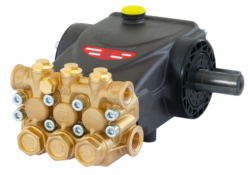
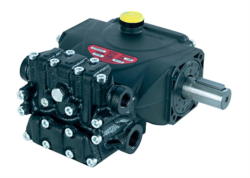
3G Electric has supplied industrial equipment throughout Southeast Asia for over 35 years, and our experience shows that 60% of premature engine-pump failures stem from preventable maintenance oversights. Systems like the Interpump PUMP E2E2113 L FL.PETR.ENGINE VALVE R demand systematic care to maintain their 210 bar pressure rating and 5.22 kW performance in fuel and petrochemical applications.
The key to extending asset life is implementing a tiered maintenance strategy: daily operational checks, weekly inspections, monthly component assessments, and quarterly deep servicing. This approach reduces unplanned downtime by up to 40% while optimizing fuel consumption.
Daily and Weekly Operational Checks: Foundation-Level Maintenance
Pre-Operation Inspection Protocol
Before engine-driven pumps begin daily operations, your maintenance team should complete a 10-15 minute checklist:
- Engine Oil Level: Check with dipstick or electronic sensor. Maintain levels within manufacturer specifications. Low oil forces the engine to work harder, reducing pump efficiency by 15-20% and accelerating wear on bearings and valve assemblies.
- Fuel Quality Assessment: Visually inspect fuel for water contamination, particulates, or discoloration. Fuel-driven systems like those delivering petrochemical applications require ISO 4406 cleanliness code 17/15/12 or better. Contaminated fuel damages fuel injectors and clogs pump inlet screens within days.
- Coolant Level and Condition: Engine temperature regulation directly affects pump performance. Low coolant causes thermal stress, warping seals, and reducing pressure regulation accuracy. Check coolant color—milky appearance indicates water contamination requiring immediate attention.
- External Leak Detection: Scan the engine block, pump housing, and connection points for fluid seepage. Hydraulic fluid, fuel, and oil leaks suggest seal degradation or loose fittings that worsen rapidly under load.
- Vibration and Noise Baseline: Listen for abnormal grinding, squealing, or rattling. Changes in acoustic signature often precede mechanical failure by 1-2 weeks.
Weekly Deep-Check Procedures
Every 7 days (or 40 operating hours), expand your inspection:
- Filter Differential Pressure Measurement: Engine air filters and fuel filters accumulate particulates. Measure pressure drop across filters using gauge kits. If air filter pressure exceeds 25 kPa or fuel filter exceeds 35 kPa, replace immediately. Restricted flow forces the engine into overfuel conditions, wasting 8-12% of fuel consumption.
- Pump Discharge Pressure Verification: With the system at operating temperature, confirm pump outlet pressure matches specification using calibrated gauges. Pressure drop of 10+ bar below rating indicates internal valve leakage or wear in the displacement mechanism.
- Visual Hose and Fitting Inspection: Examine all hoses connected to nozzles like the Jetoil Jetoil 3.50 80° S and pump discharge lines. Look for bulging, cracks, or weeping at ferrule connections. Hose degradation accelerates in high-temperature petrochemical environments; replace hoses showing surface cracks before they rupture under pressure.
- Engine Mounting Hardware Check: Vibration loosens bolts securing the engine to the pump base. Torque all engine mounting fasteners to specification using a calibrated wrench. Loose mounts cause misalignment, stressing shaft seals and reducing pump volumetric efficiency.
Monthly Component Assessment and Valve System Servicing
Once monthly, conduct targeted inspections of wear-prone components. Engine-driven pumps in Singapore's tropical climate face accelerated corrosion and seal degradation.
Fuel System Deep Inspection
For petrochemical and fuel applications using systems like the Interpump E2E2113, examine:
- Fuel Tank Interior Condition: Drain fuel tank completely every 12 months in Singapore operations (vs. 24 months in temperate climates). Tropical humidity accelerates water accumulation in tanks. Moisture promotes microbial growth in fuel, clogging injectors and corroding internal fuel pump components.
- Fuel Line Routing and Support: Verify hoses maintain minimum 50 mm clearance from hot engine surfaces. Contact with heated manifolds softens hose elastomers, causing leaks and pressure loss. Secure hoses with non-metallic clamps spaced 300 mm apart to prevent chafing.
- Fuel Pressure Regulator Operation: Check regulator outlet pressure at idle and full load. Malfunctioning regulators cause overpressure (damaging injectors) or underpressure (poor combustion, reduced pump flow). Replace regulators showing inconsistent regulation or external leakage.
Valve Assembly Inspection
Valve systems in pump heads are critical control points. Components like those in the E2E2113 valve assembly regulate fluid direction, prevent backflow, and protect against overpressure:
- Visual Valve Body Assessment: Remove valve covers and inspect for corrosion, scoring, or discoloration. Valve surfaces should be smooth and free of pitting. Corrosion depth exceeding 0.5 mm requires valve replacement.
- Valve Seat Condition: Using a bore scope, examine valve seats for erosion patterns or debris embedding. Deposits indicate inadequate filtration; clean or replace upstream filters and consider flushing lines with system flusher fluid.
- Relief Valve Cracking Pressure Verification: Using a calibrated pressure gauge and load valve, confirm relief valve opens at specified pressure ±5%. Valves opening below threshold waste energy; those opening above threshold risk equipment damage. Replace valves drifting beyond tolerance.
Spray Nozzle Performance Check (for Combustion Applications)
Systems incorporating spray components like the Jetoil 3.50 80° S oil nozzle require monthly spray pattern evaluation:
- Flow Rate Verification: Measure discharge volume at operating pressure over 60 seconds. Compare to nameplate rating (0.40–35.00 GPH). Flow reduction of 10% indicates nozzle orifice partial blockage; exceeding 15% reduction requires replacement.
- Spray Pattern Symmetry: Observe atomization pattern against a light background. Symmetric 80° cone angle confirms proper internal swirl vane condition. Asymmetric patterns indicate internal erosion or swirl vane damage.
- Nozzle Screen Cleanliness: Remove and inspect the inlet screen. Corrosion or particulate accumulation suggests upstream filtration failure. Clean screens with soft brass brush; replace if screen mesh is damaged.
Quarterly Deep Servicing and Seasonal Preparation
Quarterly Fluid Replacement and System Flushing
Every 90 days, perform fluid maintenance aligned with Singapore's tropical operating environment:
- Engine Oil and Filter Change: Replace engine oil every 250 operating hours (vs. 500 hours in temperate zones). Singapore's heat and humidity accelerate oil oxidation, reducing lubrication effectiveness. Use oil viscosity matched to seasonal ambient temperatures (typically SAE 15W-40 for year-round tropical use). Dispose of used oil through licensed recyclers to meet local environmental regulations.
- Hydraulic/Pump Fluid Analysis: Send fluid samples to authorized laboratories for ISO cleanliness testing, viscosity confirmation, and acid number (TAN) measurement. Elevated TAN (>2.0 mg KOH/g) indicates fluid degradation; plan fluid replacement within 30 days. Maintain ISO 17/15/12 cleanliness minimum.
- System Flushing Protocol: For systems operating in dusty environments or after component replacement, perform full system flush at 5-10 times normal operating pressure using dedicated flusher fluid compatible with all elastomers and valve materials. Circulate flusher fluid for 2-3 hours, then replace with new operational fluid.
High-Pressure Hose and Connection Inspection
Hoses carrying fuel or pressurized fluids require rigorous quarterly assessment, especially components like the Pratissoli High Pressure Sewer Cleaning Hoses ZT12B0800606:
- External Hose Condition Survey: Inspect entire hose length for cuts, bulges, leakage at fittings, or UV damage. In Singapore's high-UV environment, hose covers degrade within 18-24 months of outdoor exposure. Replace hoses showing cover cracks, even if internal performance appears sound.
- Fitting Torque Verification: Using calibrated torque wrench, verify all JIC or NPT fittings meet torque specifications. Loose fittings cause micro-movements and leakage; overtightening risks ferrule deformation and internal blockage. Typical specifications: JIC SAE 4 requires 25-30 Nm; SAE 6 requires 40-48 Nm.
- Hose Pressure Test (Annual): Every 12 months, subject hoses to 1.5x maximum working pressure for 5 minutes with system at ambient temperature. Any leakage, permanent deformation, or pressure loss exceeding 5 bar requires hose replacement.
Pump Displacement and Power Verification
For high-output systems like the Pratissoli Piston Pumps MF7M7D (254 L/min, 75 bar, 36.4 kW), quarterly performance testing confirms operational integrity:
- Flow Rate Measurement: Using calibrated turbine or gear flowmeters, measure pump outlet flow at standardized engine RPM and load. Compare to baseline established during commissioning. Flow reduction exceeding 5% suggests internal leakage through worn piston rings or valve seats; plan overhaul within 30 days.
- Pressure Stability Under Load: Record pressure at 25%, 50%, 75%, and 100% flow demand. Stable pressure curves confirm relief valve and regulator function. Erratic pressure swings indicate cavitation (inlet restriction) or valve instability requiring immediate investigation.
- Engine Fuel Consumption Baseline: Track fuel consumption per operating hour. Increased consumption (>10% above baseline) signals engine efficiency loss, often caused by fuel injection timing drift, air filter restriction, or cooling system degradation.
Seasonal Tropical Climate Adjustments
Singapore's consistently warm, humid climate requires year-round attention:
- Monsoon Preparation: Before northeast (Dec-Mar) and southwest (Jun-Sep) monsoon seasons, verify all gaskets, breather caps, and seal integrity. Heavy rainfall can introduce moisture into fuel tanks and oil reservoirs through corroded breather vent caps. Replace or upgrade to desiccant breathers in high-humidity storage areas.
- Corrosion Prevention Treatment: Apply marine-grade corrosion inhibitor to unpainted engine surfaces, pump housings, and fasteners every 6 months. Singapore's proximity to ocean salt-spray accelerates corrosion; preventive coating extends service intervals and reduces maintenance costs.
- Coolant System Summer Maintenance: During peak dry season (months preceding monsoons), increase coolant concentration to 50% glycol mix to raise boiling point, preventing vapor lock and thermal stress. Monitor coolant pH monthly; replace if pH drops below 8.0.
Troubleshooting Common Failures and When to Seek Specialist Support
Diagnostic Decision Tree for Plant Managers
Symptom: Low Pump Output Pressure
1. Verify fuel tank level and fuel quality
2. Inspect engine air and fuel filter differential pressures
3. Measure pump inlet vacuum (should not exceed 150 mbar)
4. Check relief valve cracking pressure
5. If pressure remains low after these checks, internal pump wear (piston/cylinder degradation) is likely; contact authorized service provider
Symptom: Engine Runs Rough or Stalls
1. Check fuel tank for water/contaminants
2. Inspect fuel filter and replace if pressure drop exceeds specification
3. Verify spark plug condition and gap (if applicable to engine type)
4. Confirm engine oil level and condition
5. If symptoms persist, fuel injection system or valve timing drift; requires specialist diagnosis
Symptom: Increased Vibration or Noise
1. Verify all engine mounting bolts are torqued to specification
2. Check pump-to-engine coupling alignment using dial indicators (max runout 0.1 mm)
3. Inspect for internal cavitation (occurs with inlet pressure drop >0.2 bar)
4. If vibration continues, bearing wear in pump or engine; plan component replacement
Symptom: Fluid Leakage at Pump Seals
1. Identify leak source (pump inlet, outlet, or case drain)
2. Clean external surfaces and isolate leak point
3. If inlet leaks: tighten inlet fitting or replace inlet strainer
4. If outlet leaks: replace shaft seal or O-ring (temporary tightening of outlet fittings may help diagnosis)
5. If case drain leaks: main bearing/piston barrel wear; seek authorized service
When to Engage 3G Electric for Parts and Support
With 35+ years distributing industrial equipment throughout Singapore and Southeast Asia, 3G Electric maintains inventory of replacement components and can facilitate specialist connections when in-house troubleshooting reaches limits. Common replacement parts we supply include:
- Valve assemblies matching your pump specification
- High-pressure hoses and fittings pre-assembled to length
- Fuel system components including filters, regulators, and pressure gauges
- Gasket and seal kits for routine overhauls
- Nozzles and spray components for combustion and coating applications
Contact our Singapore operations team when diagnostic efforts reveal component failure requiring replacement or when performance data indicates specialist servicing is needed.
Summary: Building a Sustainable Maintenance Culture
Engine-driven pumps deliver reliable performance in Singapore's demanding industrial environment when plant managers implement structured Maintenance & Service protocols. The progression from daily operational checks through quarterly deep servicing creates early-warning detection of wear, preventing cascade failures that halt production.
Key takeaways:
- Daily checks require 15 minutes and catch 70% of emerging issues before they impact operations
- Weekly inspections identify filter saturation and pressure drift before efficiency loss becomes significant
- Monthly component assessment targets valve systems and hoses—the most common failure points
- Quarterly deep servicing replaces fluids, verifies performance, and prepares equipment for seasonal environmental challenges
- Documented baseline performance (pressure, flow, fuel consumption, temperature) enables early detection of degradation trends
Singapore's tropical climate and 24/7 industrial operations demand vigilance. By treating engine-driven pumps as precision equipment requiring systematic attention rather than asset to "run until failure," plant managers achieve 30-40% reduction in unplanned downtime and extend equipment lifespan from 5-7 years to 10+ years.
3G Electric's 35+ years supplying Southeast Asian industries positions us as a trusted partner for replacement components, technical guidance, and specialist connections when your maintenance team requires support.