Understanding Controls & Safety Component Architecture
Controls & Safety systems form the backbone of reliable industrial burner operations. As a procurement engineer evaluating these systems globally, you must understand how individual components—relays, pressure switches, flame detection modules, and gas blocks—work together to create redundant, fail-safe protection.
Over 35 years of distributing industrial equipment, 3G Electric has supported procurement teams managing Controls & Safety specifications across North America, Europe, Asia-Pacific, and the Middle East. The complexity increases when operations span multiple regulatory jurisdictions. A system compliant with EN standards in Germany may require additional certifications for operations in North America or Southeast Asia.
The foundation of any Controls & Safety architecture involves three critical functions: ignition control, flame supervision, and pressure regulation. Your selection strategy must account for how these functions interact, the redundancy levels required by your application, and the maintenance capabilities of your service teams.
Selecting Relays and Control Units for Your Application
Burner control relays are decision-making devices that manage ignition sequences, monitor flame presence, and execute safety shutdowns. When procuring these components, you're essentially choosing between different levels of sophistication and reliability.
The Kromschroder BCU 570WC1F1U0K1-E represents a mid-range safety relay designed for direct ignition and intermittent/continuous pilot ignition modes. This unit complies with EN 746-2 and EN 676 standards—critical certifications if your operations include European facilities. For procurement teams, this means reduced certification delays when expanding into EU markets and compatibility with your existing European supplier networks.
For higher-power applications, the Siemens LFL 1.622 offers a complete safety control solution with integrated UV and ionization flame monitoring. This unit's controlled air damper capability adds functionality that reduces the need for separate components, lowering your total bill of materials and simplifying installation. The dual-fuel capability matters if your operations need flexibility to switch between gas and oil depending on market conditions or fuel availability.
When selecting between relay types, consider these procurement factors:
- Standardization across facilities: Choose components used across multiple locations to reduce spare parts inventory and simplify technician training.
- Lead time and availability: Standard products from major manufacturers like Siemens and Kromschroder typically have shorter lead times than specialized variants.
- Service support infrastructure: Verify your local distributors and service providers stock replacement modules for your chosen relays.
- Upgrade path: Select platforms that allow firmware updates or component upgrades without complete system replacement as standards evolve.
The cost difference between a basic relay and a fully integrated control unit may seem significant at purchase, but consider the labor costs for multi-component installation, integration testing, and commissioning. A consolidated control unit often justifies higher initial cost through faster deployment.
Pressure Switches, Gas Blocks, and Regulatory Compliance
Pressure switches and gas control blocks represent the "muscles" of your Controls & Safety system—they execute the commands from your relay. These components must be precisely matched to your application's pressure ranges, response requirements, and safety ratings.
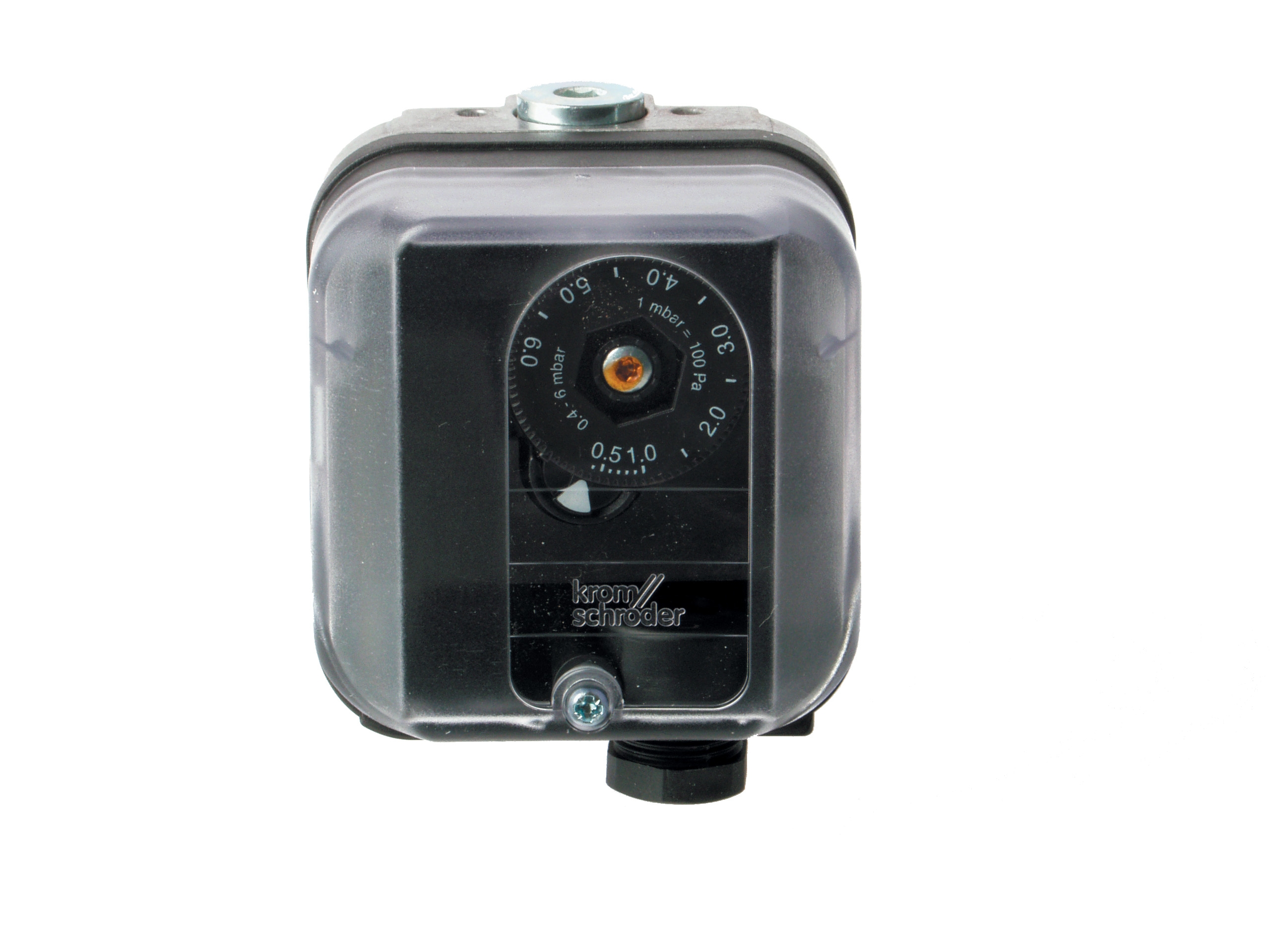
The Kromschroder DG 50U/6 pressure switch achieves SIL 3 rating and Performance Level e under EN 1854, meeting FM, UL, AGA, and GOST-TR certifications simultaneously. For procurement teams managing global operations, this multi-standard certification significantly reduces qualification time. You can deploy the same pressure switch model across North America (UL/FM certification), Europe (EN standards), and Russia/CIS regions (GOST-TR certification) without sourcing multiple variants.
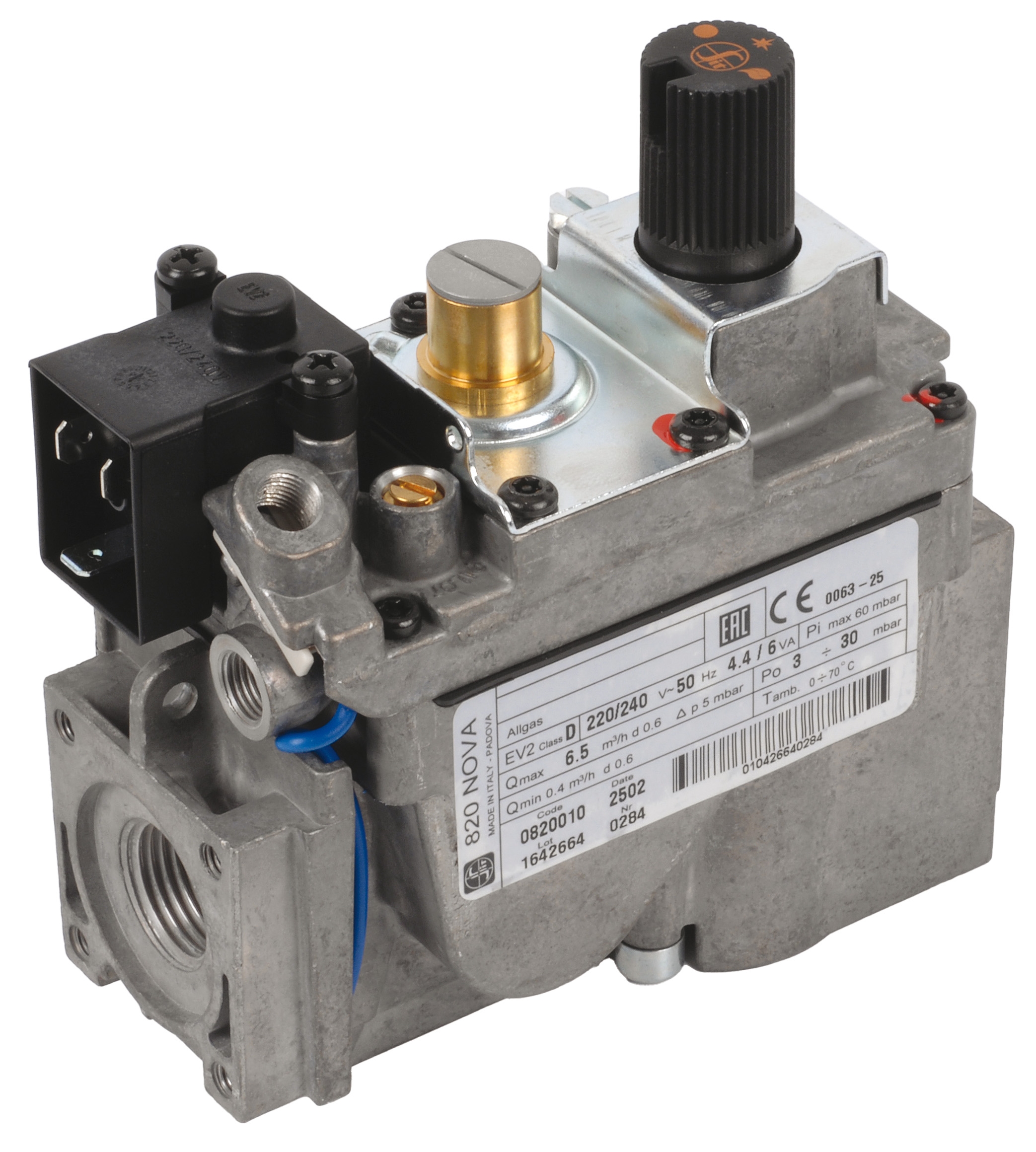
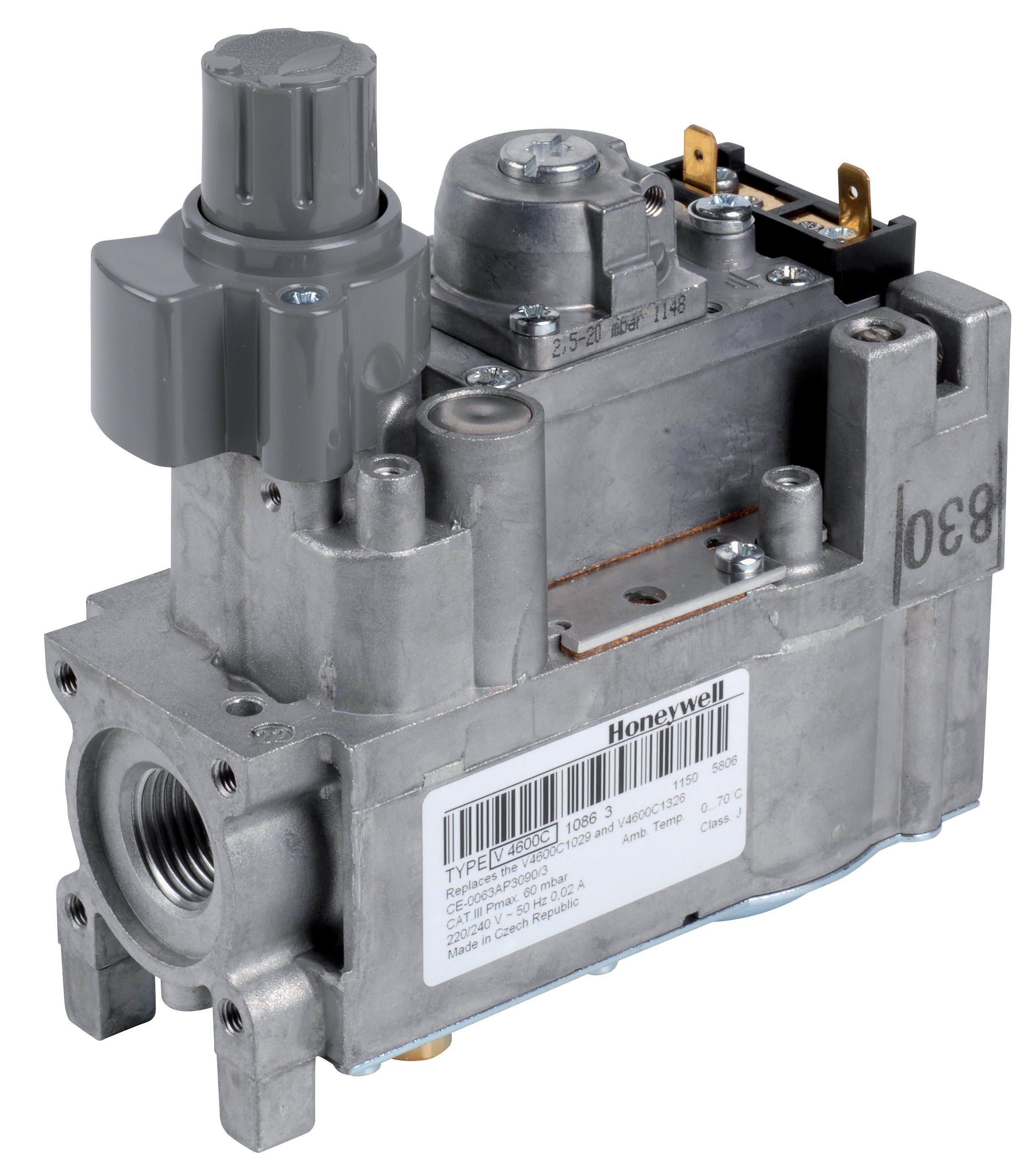
The Honeywell VK 4105 C 1041 U gas block provides electric modulation control, enabling systems to vary gas flow in response to demand rather than running at fixed rates. This capability reduces fuel consumption during part-load operation—a critical consideration for procurement teams evaluating total cost of ownership across multi-year contracts.
When selecting pressure switches and gas blocks, evaluate:
- Certification matrix: Document which standards each component meets to streamline compliance verification across your operating regions.
- Pilot connection compatibility: Verify thread sizes (M8 x 1, M5, etc.) match your manifold design to avoid costly custom adapters.
- Temperature operating range: The Honeywell block operates from -5°F to 140°F—critical specification if your facilities operate in harsh climates or outdoor installations.
- Modulation accuracy: For applications requiring proportional control (e.g., large industrial furnaces), confirm response characteristics match your burner's performance requirements.
- Maintenance accessibility: Specify components with field-replaceable elements rather than sealed units requiring complete replacement.
Integration Strategy and Long-Term Procurement Planning
Most system failures aren't caused by component defects—they result from poor integration or inadequate maintenance protocols. Your procurement strategy must account for how controls and safety components interact with each other and your existing burner systems.
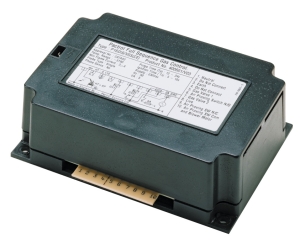
The Pactrol Housing P 16 DI CE flame control module operates at 230V supply and delivers 12 kV output with 10MJ energy capacity. When specifying this component, ensure your electrical infrastructure supports 230V supply without voltage fluctuations exceeding ±10%. Many industrial facilities in developing markets experience voltage instability that can degrade flame detection performance.
Practical integration considerations for procurement engineers:
Documentation and Traceability: Establish a component registry documenting SKU, manufacturer, certification numbers, and serial numbers for each installed unit. This enables rapid identification during field problems and supports warranty claims across multiple regions.
Spare Parts Strategy: Maintain stock of field-replaceable elements (relays, pressure switch cartridges, ignition modules) at distribution hubs serving each geographic region. Calculate safety stock based on average lead times from your supplier network—3G Electric's 35+ years of global distribution experience suggests maintaining 3-6 months' supply for critical safety components to prevent emergency sourcing at premium pricing.
Training and Competency: Include technician certification in your procurement budget. Operators familiar with Siemens and Kromschroder systems can quickly diagnose issues, reducing downtime. Budget for recurring training as products update.
Compatibility Verification: Before committing to large-scale deployment, conduct pilot installations of new control components on representative burners at 2-3 facilities. Document startup procedures, calibration requirements, and typical performance characteristics before rolling out across your entire operations.
Environmental and Regulatory Monitoring: Assign responsibility for tracking evolving safety standards in each operating region. The EU regularly updates EN standards; North America sees occasional UL/FM revisions. Procurement teams should subscribe to regulatory update services to anticipate component obsolescence 12-18 months in advance.
Cost Optimization Without Compromising Safety
Procurement engineers face constant pressure to reduce capital expenditure, but safety components cannot be cut-rate sourced without serious risk. The strategy lies in intelligent standardization and lifecycle costing.
Choosing the Kromschroder BCU 570WC1F1U0K1-E as your standard relay across similar facilities enables you to negotiate volume discounts while maintaining reliable supply. A single platform also simplifies troubleshooting—your technicians become deeply familiar with one relay's behavior, enabling faster diagnosis when problems occur.
Integrated solutions like the Siemens LFL 1.622 with built-in flame monitoring may cost 15-25% more than purchasing a basic relay plus separate flame detection, but integration eliminates wiring errors, reduces installation labor, and improves system reliability. Calculate your actual installed cost including labor, testing, and commissioning—not just component cost.
When evaluating supplier proposals, demand clarity on:
- Unit pricing at volume thresholds (100, 500, 1,000+ units annually)
- Warranty coverage (typically 12-24 months; clarify what's included)
- Technical support (are engineering resources available for system commissioning?)
- Logistics and lead times (what's the normal delivery from purchase order to dock?)
- Return policies for defective units (critical for remote locations)
Review your procurement strategy annually. Consolidating suppliers when possible reduces administrative overhead and creates stronger relationships for priority support during supply disruptions. 3G Electric supports procurement teams by maintaining inventory of multiple manufacturer platforms, enabling you to standardize on components that best match your operational requirements rather than settling for what's available through a single source.