Understanding Controls & Safety Redundancy in Southeast Asia
Controls & Safety redundancy is not optional in modern industrial combustion systems—it is a fundamental design requirement that procurement engineers must embed into every equipment specification. In Southeast Asia's challenging operational environment, where humidity, temperature fluctuations, and dust exposure accelerate component degradation, redundant safety architectures prevent single-point failures that can result in equipment shutdowns, safety incidents, or compliance violations.
With over 35 years of experience distributing industrial equipment across the region, 3G Electric has observed that facilities investing in redundant Controls & Safety systems experience 40-60% fewer safety-related shutdowns compared to single-channel designs. Redundancy operates on a simple principle: if one control or safety component fails, a parallel or backup system immediately takes over, maintaining safe operation until maintenance can be performed.
The challenge for procurement engineers is balancing redundancy requirements against budget constraints, space limitations, and the complexity of multi-component systems. This guide walks through practical redundancy strategies, component selection methods, and integration approaches that work within Southeast Asian industrial environments.
Redundancy Architectures: From Dual-Channel to Diverse Technology Approaches
Dual-Channel Flame Detection Systems
Flame detection redundancy represents the most critical safety layer in burner controls. A dual-channel architecture monitors the flame using two independent sensor technologies simultaneously—typically combining ultraviolet (UV) and ionization detection methods. If one sensor fails or produces an incorrect signal, the second sensor continues flame supervision, preventing dangerous loss-of-flame conditions.
The Siemens LFL 1.622 exemplifies this approach, integrating both UV and ionization flame monitoring in a single control unit. This design eliminates the need for separate flame sensor modules while providing true redundancy through diverse technology. When either detection method confirms flame presence, the burner remains safely operational. If both sensors disagree or one fails, the system initiates a controlled shutdown with diagnostic logging.
For procurement engineers specifying dual-channel systems:
- Verify that both flame detection methods operate on different physical principles (UV and ionization are ideal because they respond to different flame characteristics)
- Confirm that sensor failure does not disable the redundant channel—test this explicitly during commissioning
- Document sensor response times to ensure both channels meet your facility's lockout requirements
- Plan sensor replacement schedules independently; replacing both simultaneously creates a vulnerability window
Dual Safety Relays with Cross-Monitoring
Safety relays form the decision-making layer that interprets flame signals and pressure readings, then controls ignition and fuel supply. Dual-relay redundancy means two independent safety relays monitor identical inputs and control the same burner. Each relay monitors the other's output; if one relay fails to switch or provides an inconsistent signal, the second relay recognizes this and initiates a safe shutdown.
The Kromschroder BCU 570WC1F1U0K1-E is a burner control relay rated for EN 746-2 and EN 676, supporting multiple ignition modes. When paired with a second identical BCU 570 unit in a cross-monitored configuration, you achieve SIL 2 redundancy—sufficient for most Southeast Asian industrial applications. Cross-monitoring wiring requires careful design to ensure that neither relay can mask the other's failure.
Procurement engineers should specify:
- Two identical relay models to simplify maintenance and spare parts inventory
- Wiring diagrams showing explicit cross-monitoring connections
- Response time verification for both relays—they must respond within 50ms of each other
- Testing protocols that can be executed monthly to verify relay operation without shutting down the burner
Diverse Pressure Sensing for Redundant Fuel Safety
Pressure supervision prevents fuel delivery at incorrect pressures, which can cause incomplete combustion, carbon buildup, or even uncontrolled ignition. Redundant pressure sensing uses two independent pressure switches—often with different setpoints—to create overlapping safety zones.
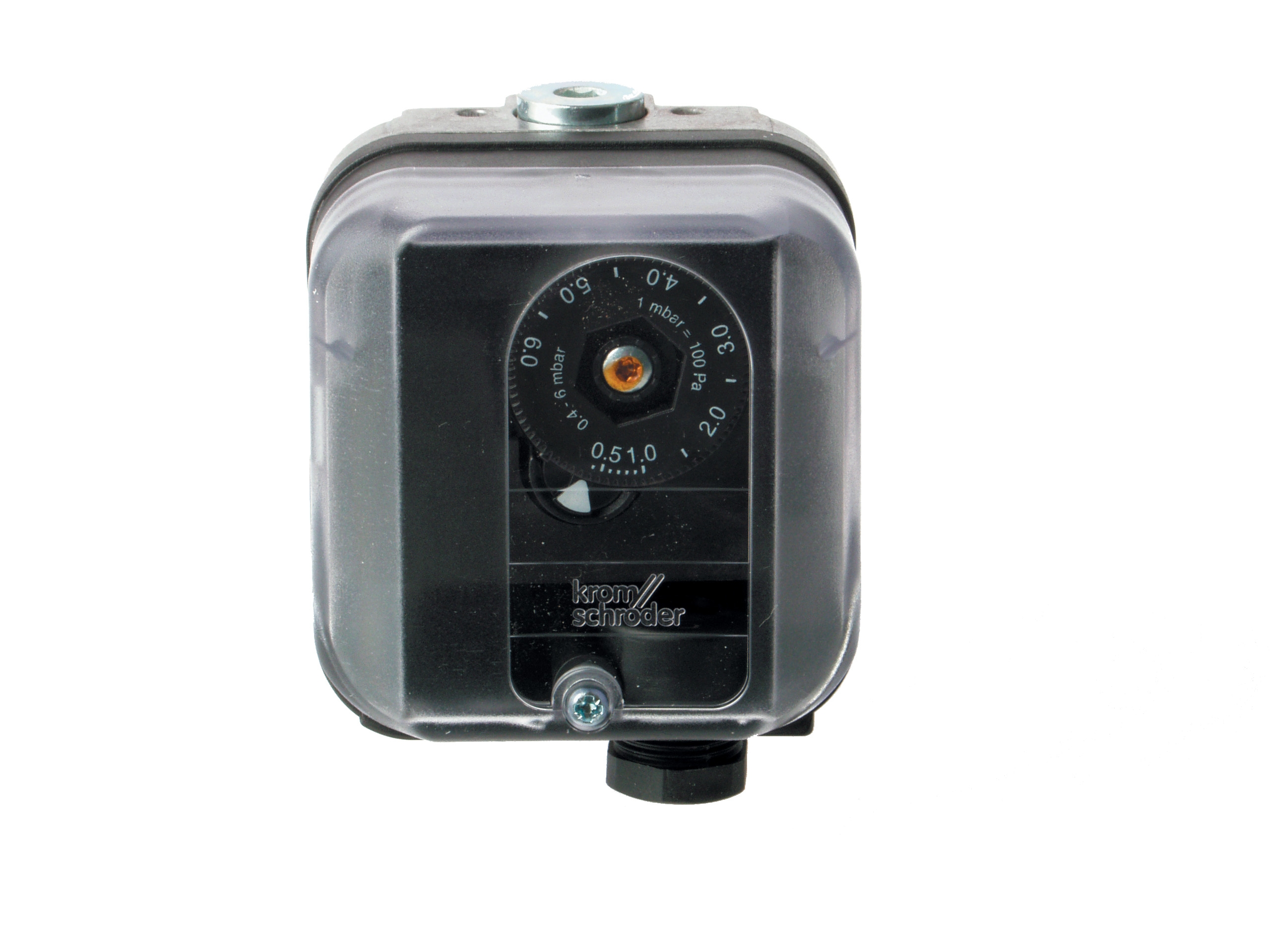
The Kromschroder DG 50U/6 pressure switch achieves SIL 3 rating and meets EN 1854, FM, UL, and GOST-TR certifications. In a redundant architecture, two DG 50U/6 switches can be installed in series on the main fuel line, each with independent connections to separate safety relay channels. If one switch sticks in the closed position (a common failure mode in humid Southeast Asian environments), the second switch continues monitoring and can trigger an alarm without shutting down the entire system—allowing controlled depressurization instead of emergency shutdown.
For procurement engineers designing pressure redundancy:
- Specify switches with different manufacturing dates to reduce the risk of correlated failures from the same production batch
- Install switches at different points in the fuel line to detect localized pressure anomalies
- Use pressure transducers in parallel with switches to collect trending data on fuel pressure stability
- Schedule annual recalibration of both switches; do not assume they remain synchronized
Integration Strategies: Connecting Redundant Components Without Creating New Failure Points
The Gas Block as a Redundancy Hub
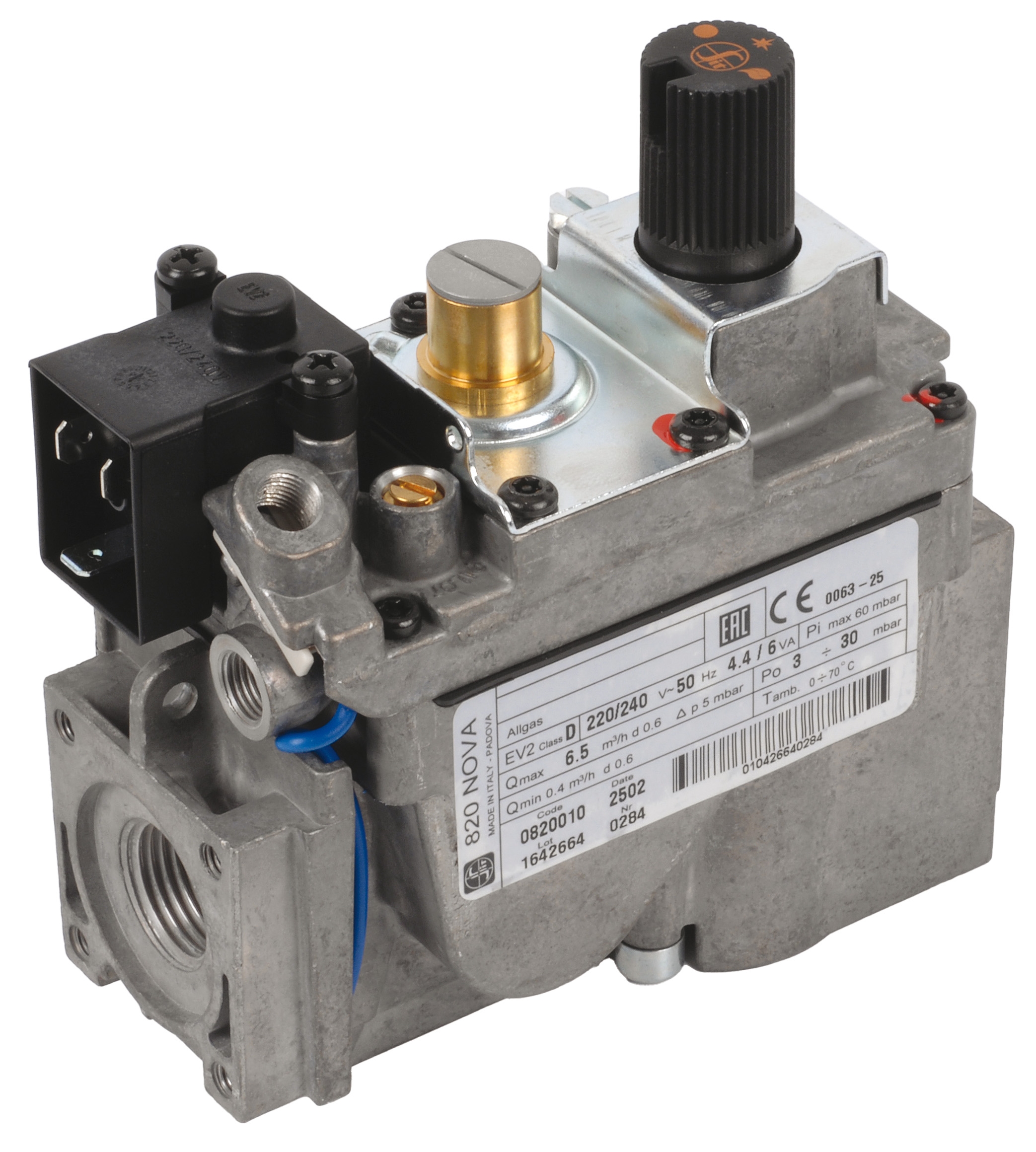
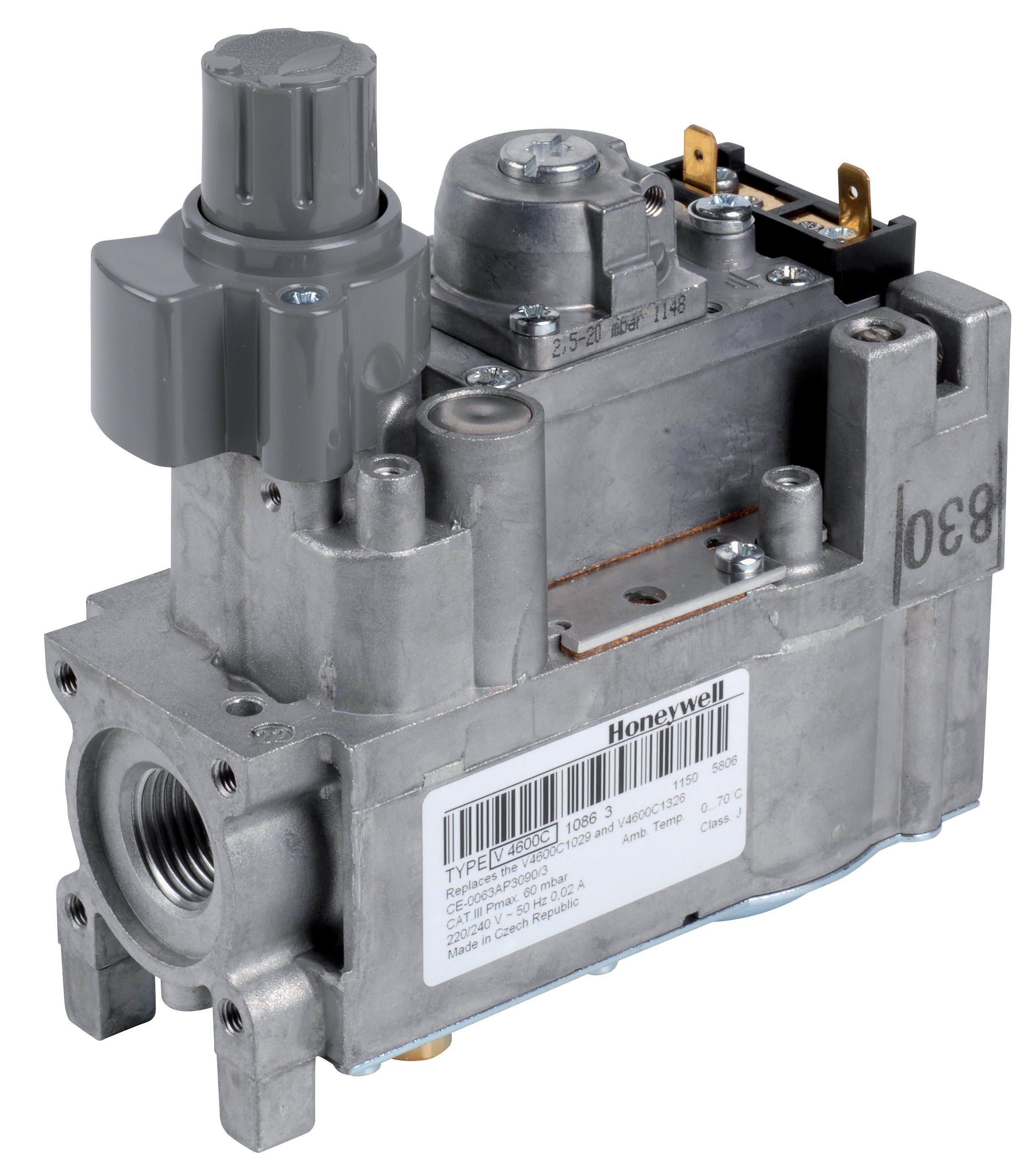
Multifunctional gas blocks consolidate fuel isolation, pressure regulation, and modulation into a single, compact component. When paired with redundant controls, a quality gas block becomes the physical foundation of your redundancy strategy. The Honeywell VK 4105 C 1041 U electric modulating pressure regulator offers pilot-operated control with feedback threading, allowing both burner management relays to modulate fuel pressure independently. If one relay's modulation signal fails, the other relay can temporarily maintain pressure at a fixed level using the pilot connection, providing time for controlled shutdown.
Gas block redundancy design requires:
- Dual solenoid isolation valves (one primary, one backup) so that if either valve fails in the open position, the other can stop fuel flow
- Pressure feedback lines to both relay systems, with check valves preventing one relay from affecting the other's measurement
- Manual isolation and test ports downstream of the solenoid valves, enabling periodic function testing without disrupting operation
- Clear labeling and color-coding of redundant fuel paths to prevent maintenance confusion
Ignition System Redundancy Through Diverse Technology
Ignition modules must reliably produce a spark or hot surface ignition on demand, many times per day for years without failure. Single-channel ignition modules represent a catastrophic single-point-of-failure risk. The Pactrol Housing P 16 DI CE flame control module operates at 230V with 12kV output and 10MJ output energy, suitable for direct ignition applications.
Redundant ignition uses either:
1. Two ignition modules in parallel, each with independent 230V power supplies and capacitor banks, both capable of firing the same ignition electrode
2. Diverse ignition technologies, such as combining a spark ignition module with a hot-surface ignition module (glow coil), where the control system tries the primary method first and automatically switches to the backup if the first ignition attempt fails
For Southeast Asian procurement engineers:
- Specify 230V and 400V ignition modules separately if your facility has both voltage supplies—this prevents common-mode power failures from disabling ignition
- Document the switching logic: which ignition method takes precedence, how long the system attempts each method before switching, and how many retry cycles occur before the system shuts down
- Verify that both ignition modules can operate simultaneously without causing harmful electrical interference (crosstalk between capacitor banks)
- Plan quarterly ignition function testing; schedule these tests during low-demand periods
Maintenance and Verification Protocols for Redundant Systems
Monthly Functional Testing Without Shutdown
Redundant systems allow "proof testing" of individual channels while the burner remains operational. The procedure involves temporarily disconnecting or disabling one safety component, observing that the redundant component takes over, then restoring the original component to service. This demonstrates that redundancy is functional without requiring a facility shutdown.
For dual-relay systems:
- Disable relay #1's output contacts (preventing it from controlling the fuel valve)
- Verify that relay #2 maintains fuel supply and burner operation for 5-10 minutes
- Restore relay #1 and monitor that both relays synchronize within 50ms
- Document the test result and response times
For dual pressure switches:
- Isolate one pressure switch using its isolation ball valve
- Observe that the remaining switch continues to provide pressure feedback without alarm
- Restore the isolated switch and verify normal operation
Annual Component Replacement Scheduling
Redundancy does not eliminate the need for preventive replacement; it simply shifts from emergency shutdown to planned downtime. Establish staggered replacement schedules where redundant components are replaced at different times:
- Replace flame sensors in Month 1 and Month 7
- Replace pressure switch #1 in Month 3 and Month 9
- Replace pressure switch #2 in Month 5 and Month 11
This approach ensures that at least one sensor or switch remains operational during maintenance periods, reducing unplanned shutdowns from 6-12 per year (typical for single-channel systems) to zero.
Calibration and Trending
Redundant systems generate valuable diagnostic data. Both pressure switches should show nearly identical readings; if they diverge by more than 5%, this indicates potential sensor drift. Both flame detection channels should respond to flame within 2-3 seconds; if one channel responds significantly faster, the slower channel may be degrading.
Establish a simple spreadsheet tracking:
- Pressure switch readings (high and low setpoints) for both switches, monthly
- Flame detection response times for both UV and ionization channels during routine startups
- Relay cross-monitoring test results (elapsed time for relay #2 to detect relay #1 failure)
Trending this data over 12-24 months reveals which components are degrading and helps you schedule replacement before actual failure occurs.
Compliance and Risk Assessment for Southeast Asian Facilities
Redundant Controls & Safety systems must comply with local regulations and international standards. In Southeast Asia, most industrial facilities reference:
- EN 746-2: Burner control systems for gas burners (applies across Singapore, Malaysia, Thailand, Vietnam)
- EN 676: Gas burner safety controls (SIL 2-3 requirements for fuel isolation and flame supervision)
- Local electrical codes: Voltage specifications, grounding requirements, and motor safety standards vary by country
The components referenced in this guide—Siemens LFL 1.622, Kromschroder BCU 570 and DG 50U/6, Honeywell VK 4105, and Pactrol P 16 DI CE—all carry multi-country certifications (FM, UL, GOST-TR, AGA) that satisfy most Southeast Asian requirements. However, procurement engineers must verify:
1. Local voltage availability: Ensure your redundant modules use voltages available at your facility (230V, 400V, or 24VDC)
2. Gas specification compliance: Confirm that pressure switches and gas blocks are rated for your fuel type (natural gas, LPG, dual-fuel)
3. Installation clearances: Redundant components require additional space; verify mounting locations before purchase
4. Spare parts availability: Work with a distributor like 3G Electric who maintains regional stock of redundant component types
Conclusion
Controls & Safety redundancy transforms your burner system from a single point of failure into a resilient architecture capable of sustained operation even during component degradation. By combining diverse flame detection technologies, dual safety relays with cross-monitoring, redundant pressure sensing, and diverse ignition methods, procurement engineers create systems that meet SIL 2-3 safety requirements while minimizing unplanned downtime.
The investment in redundant component selection, careful integration, and rigorous maintenance protocols pays dividends through improved facility reliability, reduced emergency shutdowns, and extended intervals between major maintenance events. In Southeast Asia's demanding industrial environment, redundancy is not a luxury—it is the foundation of safe, profitable operations.