Understanding Multi-Fuel Burner Control Architectures
Multi-fuel burner systems represent a critical investment for Singapore's industrial sector, where operational flexibility and cost optimization drive procurement decisions. Controls & Safety systems for these applications demand a fundamentally different approach than single-fuel installations. With 35+ years of experience distributing industrial equipment across Southeast Asia, 3G Electric has observed that procurement engineers often underestimate the complexity of simultaneous dual-fuel control—particularly in environments where rapid fuel switching, pressure fluctuations, and regulatory compliance intersect.
The core challenge lies in coordinating multiple pressure regulation circuits, flame monitoring pathways, and ignition sequences within a unified safety framework. Unlike traditional gas-only systems, multi-fuel burner controls must maintain independent pressure supervision for each fuel while sharing critical safety functions such as flame detection and ignition command logic. This architectural complexity introduces procurement dependencies that extend beyond component selection into system-level validation and field integration.
When designing Controls & Safety systems for multi-fuel applications in Singapore, three architectural models dominate: modular relay-based systems, integrated gas block solutions with secondary ignition modules, and hybrid approaches combining specialized safety relays with application-specific control valves. Each model presents distinct advantages for different operational contexts, facility footprints, and regulatory environments.
Component Selection Strategy: Balancing Safety Classification with Operational Requirements
Singapore's industrial sector operates under stringent safety frameworks that increasingly reference IEC 61508 (functional safety) and EN standards for burner control equipment. Procurement engineers must align component specifications with both manufacturer requirements and local regulatory expectations—a task that demands technical depth beyond simple catalog matching.
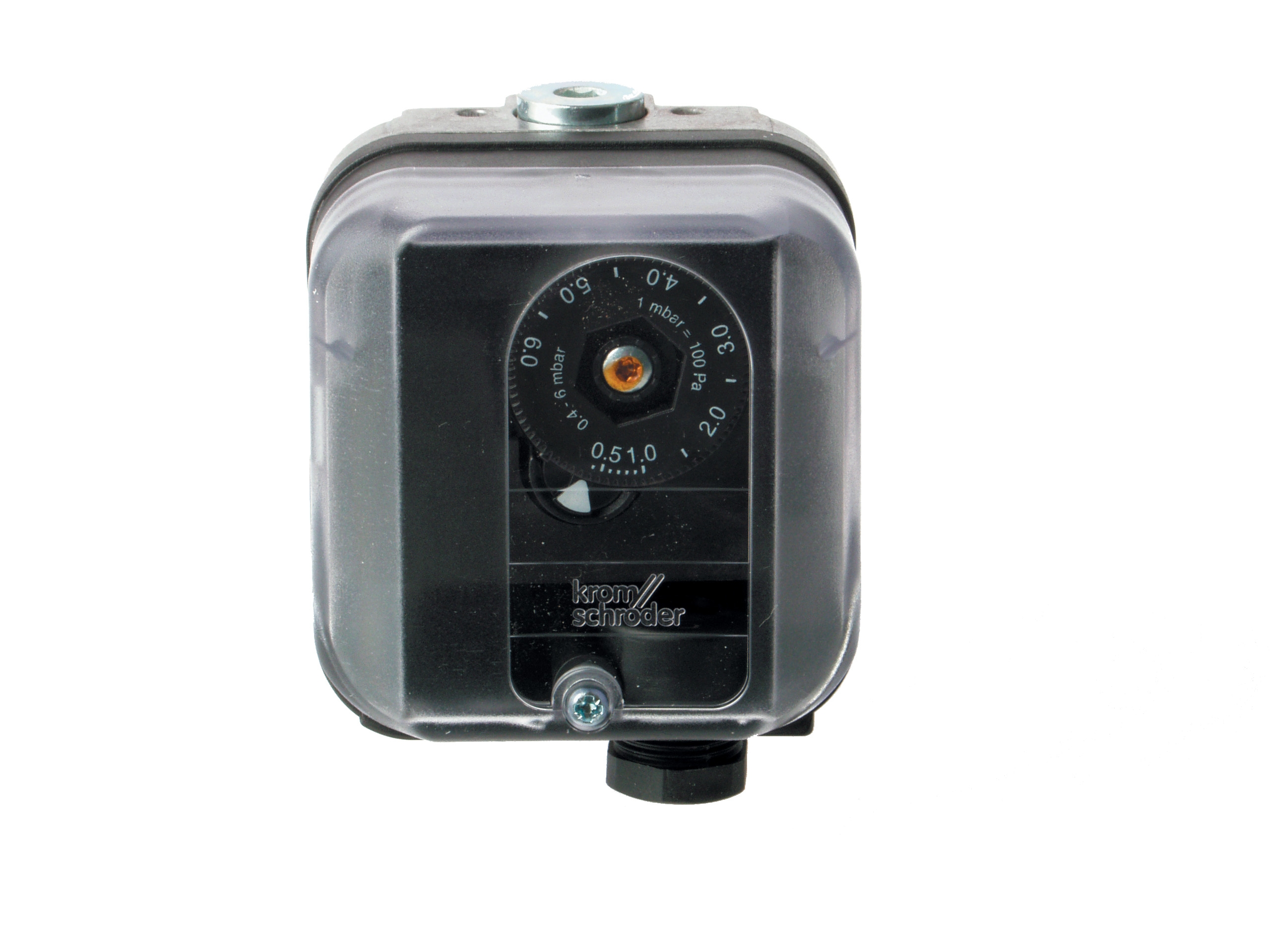
For pressure supervision across multi-fuel systems, the Kromschroder DG 50U/6 pressure switch represents a critical decision point. This component achieves SIL 3 rating and Performance Level e certification, meeting EN 1854, FM, UL, AGA, and GOST-TR standards. For procurement teams evaluating this switch, the key specification concerns its independent sensing capability: each fuel circuit requires dedicated pressure monitoring, and the DG 50U/6's dual-setpoint architecture enables both low-pressure alarm and high-pressure safety cutoff functions. When specifying this component, engineers should confirm that switching characteristics accommodate the facility's actual pressure ramp rates during fuel transition sequences, as mismatched response times create false safety events.
The Kromschroder Relay BCU 570WC1F1U0K1-E provides the control logic foundation for dual-fuel applications. This burner control relay supports direct ignition and intermittent/continuous pilot ignition modes, compliant with EN 746-2 and EN 676 standards. For procurement engineers, the critical selection criteria involves understanding which ignition sequence the facility actually requires. Direct ignition systems eliminate pilot light complexity but demand instantaneous flame verification and longer post-purge sequences. Intermittent pilot systems offer energy efficiency and resilience during marginal fuel conditions but introduce additional component dependencies. The BCU 570 accommodates both architectures, but component integration strategies differ substantially.
When dual-fuel systems employ medium to high-power burners, the Siemens Relay LFL 1.622 becomes the primary safety control alternative. This unit integrates UV and ionization flame monitoring with controlled air damper capability, addressing a procurement reality that Singapore facilities face: simultaneous burner management across multiple combustion parameters. The LFL 1.622 presents a more integrated architecture than the Kromschroder relay, consolidating flame detection, ignition timing, and air/fuel ratio supervision within a single module. Procurement teams selecting between the BCU 570 and LFL 1.622 should evaluate facility-specific factors including existing flame detection infrastructure, installer expertise availability, and long-term spare parts sourcing.
Gas Block Integration and Modulating Control Systems
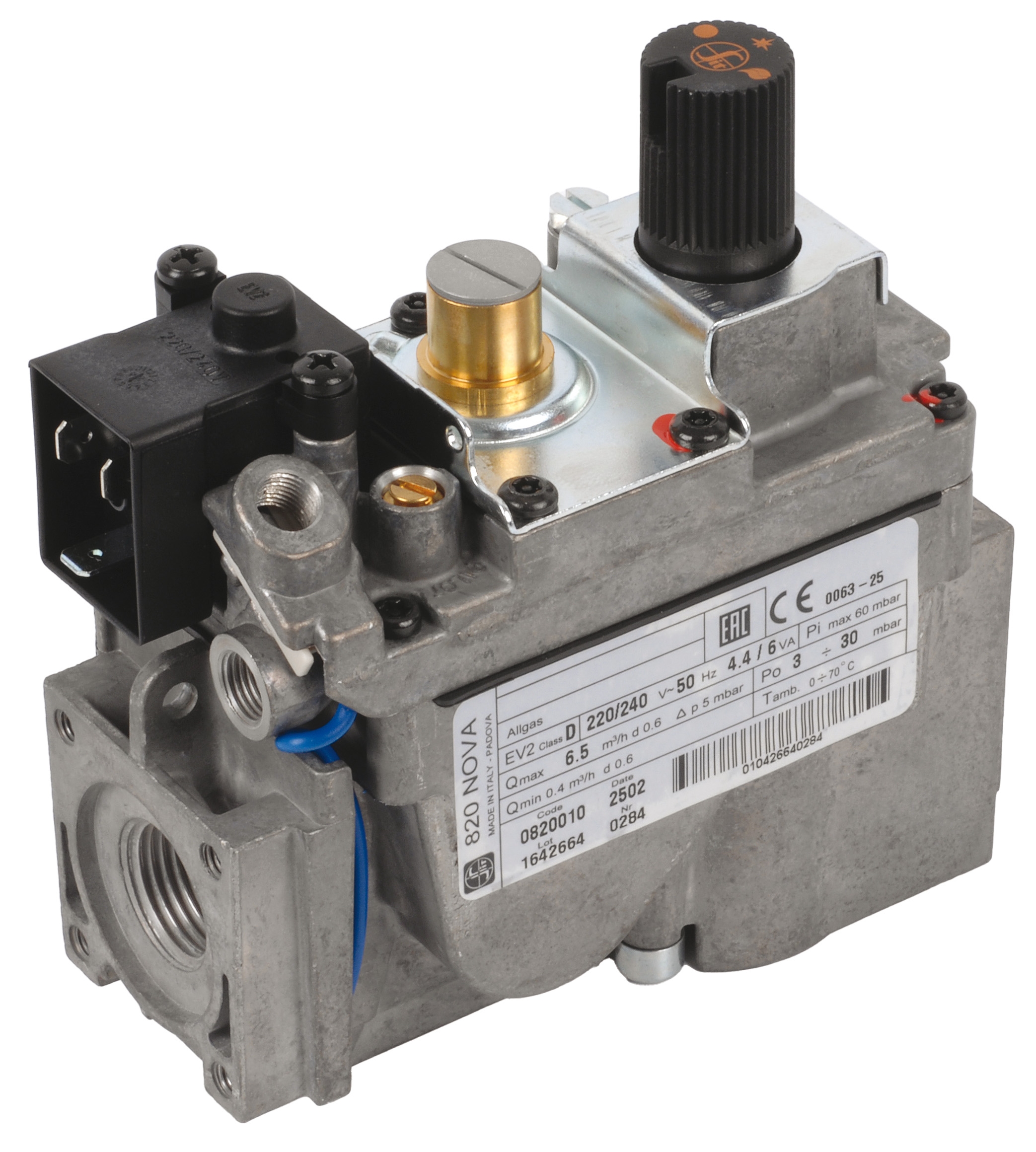
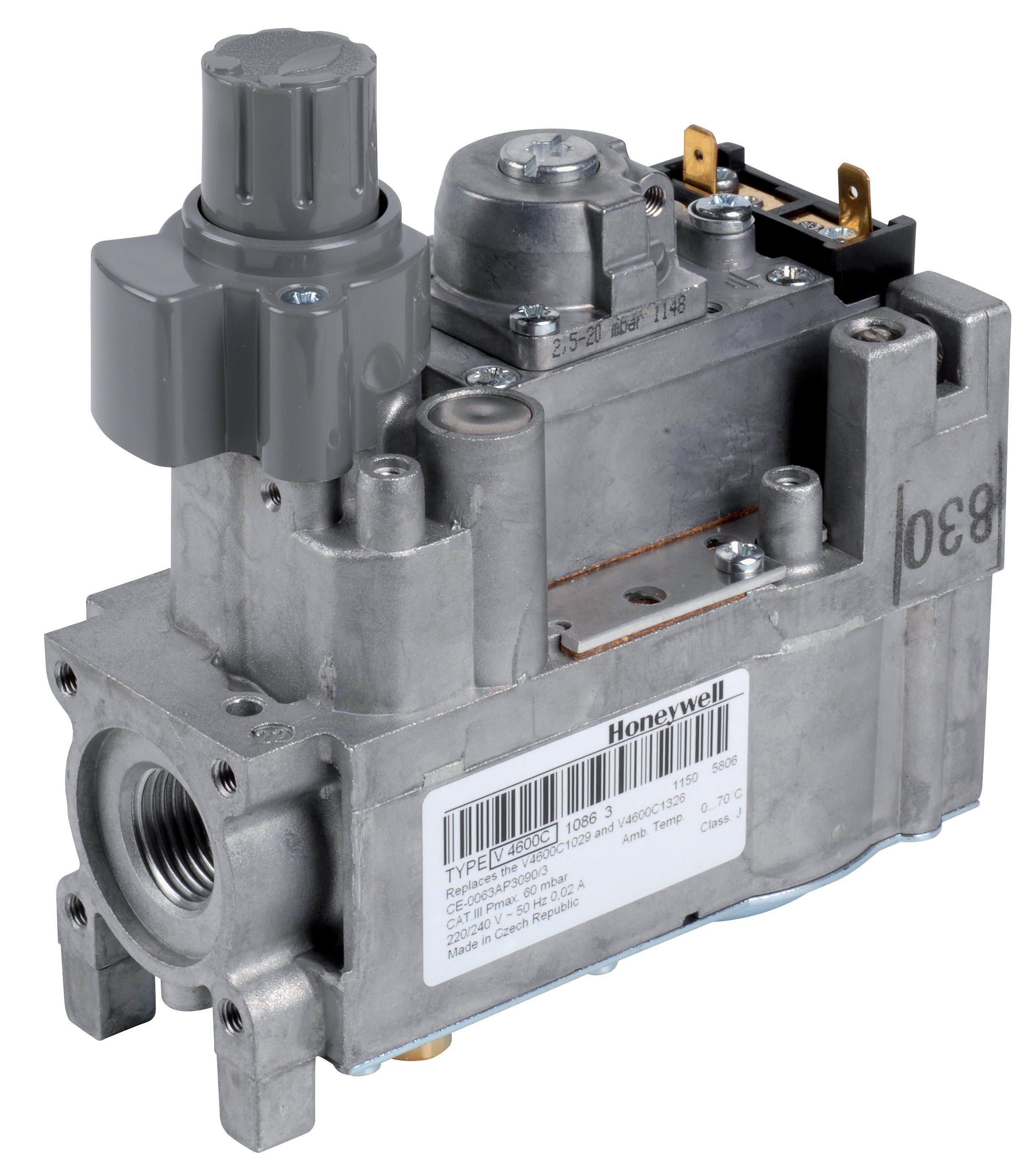
Multi-fuel systems increasingly demand proportional pressure regulation rather than simple on/off valve control. The Honeywell Gas block VK 4105 C 1041 U addresses this requirement through electric modulating pressure regulation, enabling continuous fuel flow adjustment across a broad operating range. This component's M8 x 1 pilot connection and M5 pressure feedback threading represent critical procurement specifications—incorrect thread sizing introduces operational failures that propagate through the entire control system.
Procurement engineers evaluating gas blocks must understand the control signal architecture: the VK 4105 operates across -5 to 140°F temperature range and responds to 0-10V or 4-20mA modulation signals from the primary safety relay. This relationship creates a procurement dependency chain where gas block selection influences relay output specifications, and relay selection constrains gas block performance envelope. When designing systems with the VK 4105, engineers should specify feedback compensation loops that account for pressure signal filtering—unfiltered feedback creates oscillation and hunting behavior that accelerates valve wear.
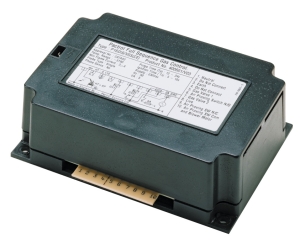
The Pactrol Housing P 16 DI CE functions as the ignition and flame detection interface for modulating systems. Operating at 230V supply with 12 kV output voltage and 10MJ output energy, this module bridges the safety relay's low-voltage logic signals to the high-voltage ignition transformer and flame detector circuits. Procurement specification of this component requires careful attention to supply voltage stability: Singapore's industrial facilities typically experience voltage fluctuations between ±10% nominal, and the P 16 DI CE's performance degrades measurably at voltage extremes. Specifying stabilized 230V supply circuits—rather than standard facility power—improves ignition reliability and reduces nuisance shutdown events.
Implementation Framework: System Validation and Commissioning Protocols
Procurement engineers must recognize that component selection represents only 40% of successful multi-fuel burner control implementation. System validation and field commissioning account for 60% of project success or failure. This reality drives procurement strategy toward suppliers and integrators who provide comprehensive support beyond product delivery.
When specifying a Controls & Safety system for multi-fuel applications, procurement documents should mandate detailed functional testing protocols that simulate actual operating conditions: rapid fuel switching cycles, low-supply-pressure conditions triggering safety shutdowns, and loss-of-flame events during operating transitions. The BCU 570 and LFL 1.622 relays both include built-in safety diagnostics, but commissioning teams must validate that facility-specific operating conditions don't create false positives. This typically requires on-site testing with actual fuel supplies at representative supply pressures.
Pressure supervision validation deserves particular attention. The DG 50U/6 pressure switch provides independent monitoring, but procurement teams must ensure that fuel supply lines don't exhibit pressure oscillations exceeding switch hysteresis specifications. Facilities with unstable fuel supplies (common in Singapore's mixed-industrial zones where multiple concurrent operations affect supply pressure) should specify additional pressure damping or accumulator volumes to stabilize readings.
Gas block modulation performance requires systematic tuning during commissioning. The VK 4105's feedback loop must be configured to match the facility's actual burner response characteristics—a process that demands iterative adjustment of proportional-integral gain parameters. Procurement engineers should allocate adequate commissioning time in project timelines: typically 3-5 days for dual-fuel systems with modulating control, compared to 1-2 days for simple on/off systems.
Risk Mitigation and Long-Term Sourcing Considerations
Singapore's industrial market depends heavily on continuous equipment availability and spare parts sourcing. Procurement engineers must balance advanced technology adoption against supply chain resilience. Both the Kromschroder and Siemens control relays maintain strong regional distribution networks through 3G Electric and established partners, supporting rapid troubleshooting and component replacement.
When specifying Controls & Safety components for multi-fuel systems, procurement should require that integrators provide complete control system documentation including relay firmware versions, pressure switch setpoint calibrations, and gas block feedback loop tuning parameters. This documentation becomes critical if component replacement becomes necessary during the equipment lifecycle. Systems that rely on single-source integrator expertise create dangerous dependencies when that integrator becomes unavailable.
Procurement engineers should also establish spare parts strategies that account for failure mode probabilities. Pressure switches and ignition modules fail more frequently than safety relays—typically due to contamination and thermal cycling—and should be stocked at higher inventory levels. Gas blocks rarely fail but demand long procurement lead times, warranting forward-purchase strategies for critical facilities.
Conclusion
Designing resilient Controls & Safety systems for Singapore's multi-fuel burner applications requires systematic procurement approaches that extend beyond individual component selection. Successful implementation depends on understanding component interdependencies, validating system behavior during actual operating conditions, and establishing long-term support frameworks. By following structured procurement protocols and leveraging the technical expertise of established distributors like 3G Electric, procurement engineers can deliver control systems that balance operational flexibility, regulatory compliance, and economic efficiency across their facility portfolios.