Understanding Controls & Safety in Burner Modulation Systems
Controls & Safety systems in modern industrial burners operate as integrated networks where pressure regulators, control relays, and feedback sensors work in concert to maintain optimal air/fuel ratios. Unlike binary on-off systems, modulating burners continuously adjust fuel and air supplies to match demand, requiring precise control signal interpretation and component synchronization.
In Singapore's hot, humid industrial environment—where equipment operates continuously with minimal downtime tolerance—modulation failures cascade quickly. A struggling modulation system doesn't simply reduce efficiency; it creates dangerous combustion conditions, incomplete fuel burn, and potential carbon monoxide generation. With over 35 years of experience serving Southeast Asian manufacturers, 3G Electric has documented that 60% of unplanned burner shutdowns stem from modulation control degradation rather than catastrophic component failure.
This troubleshooting guide focuses on the intersection of controls and safety—the point where modulation accuracy directly impacts combustion safety, operational stability, and regulatory compliance under EN 676 and local Singapore industrial standards.
Diagnostic Framework: Identifying Modulation Control Failure Patterns
Common Failure Signatures
Modulation control failures present distinct diagnostic patterns that help plant managers isolate root causes:
Hunting and Oscillation: The burner cycles between high and low fire repeatedly (typically every 5-15 seconds) without stabilizing. This indicates the control relay is receiving conflicting feedback signals or the modulating valve response time exceeds system response capability. The Kromschroder Relay BCU 570WC1F1U0K1-E is rated to handle burner ignition cycling, but excessive hunting stresses relay contacts and accelerates failure.
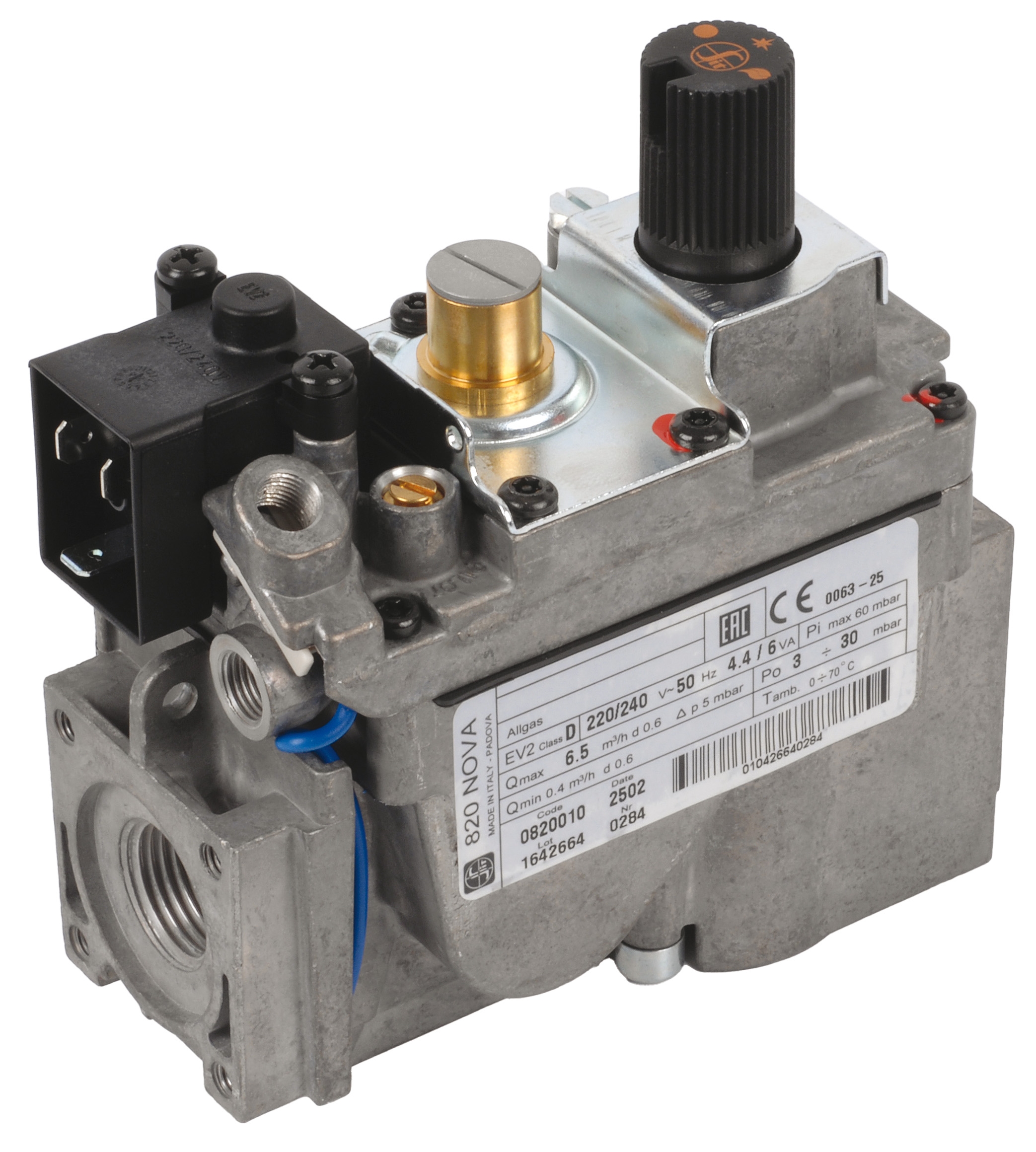
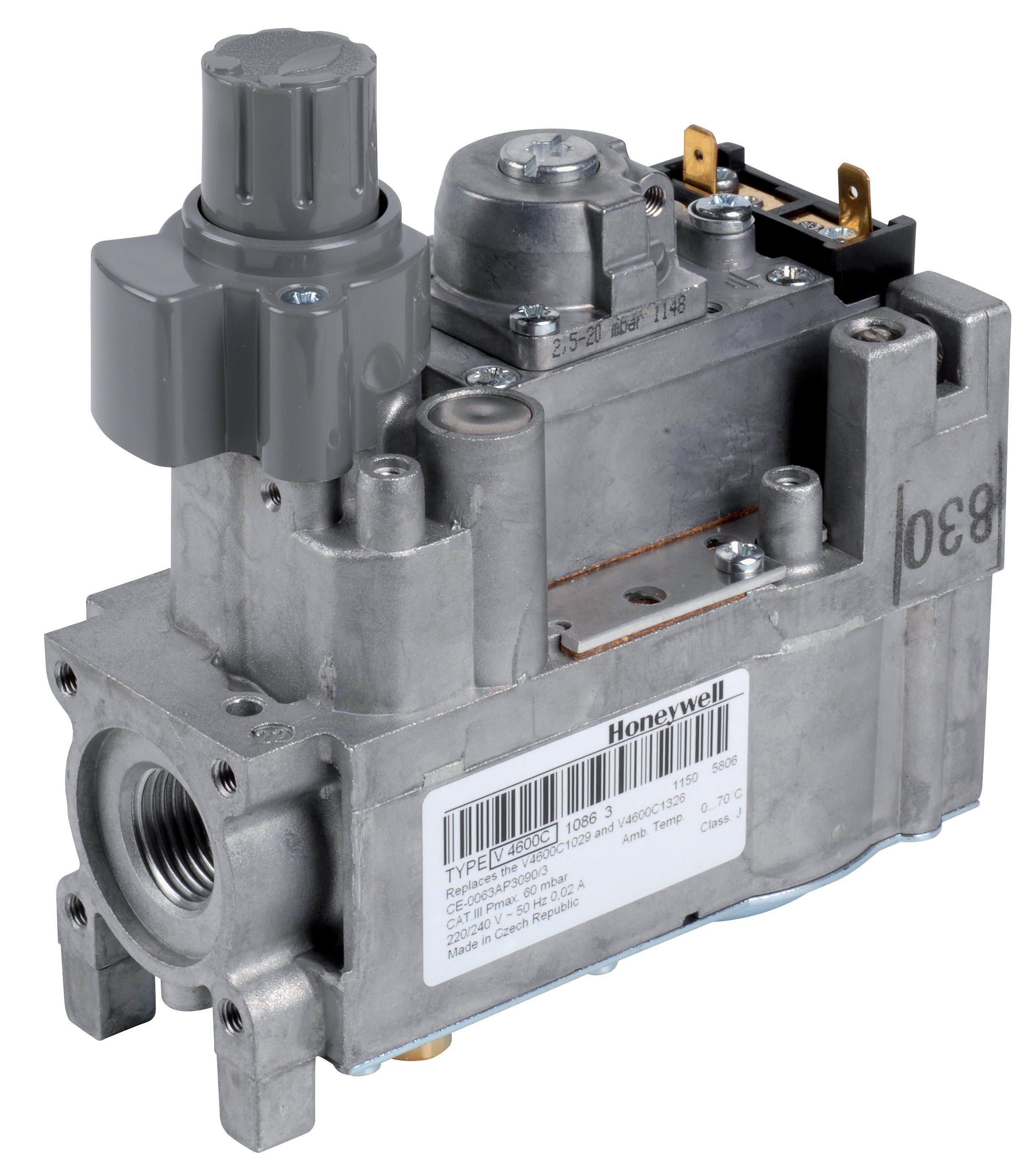
Creeping Fire (Uncontrolled Low-Fire State): The burner settles at an unstable low-fire position, unable to modulate upward despite demand signals. This suggests the modulating pressure regulator—such as the Honeywell Gas block VK 4105 C 1041 U—is receiving insufficient pilot pressure or its feedback mechanism is disconnected. Check the M8 x 1 pilot connection and M5 feedback threading for blockage or corrosion.
High-Fire Lock (Maximum Fuel Delivery): The burner remains at full fuel delivery regardless of load demand. This represents a critical safety condition where the control system has lost modulation authority. Immediate investigation of the modulating valve solenoid coil and pressure feedback line is required.
Slow Response to Load Changes: The burner takes 30+ seconds to respond to increasing demand, or exhibits lag when reducing output. This typically indicates a mismatch between valve response time specifications and control relay response rate, or excessive dead-time in the feedback loop.
Step-by-Step Diagnostic Procedure
Step 1: Verify Supply Pressure Stability
Before investigating modulation, confirm that inlet gas pressure remains constant (±3% variation is acceptable). Use an independent pressure gauge at the burner inlet, not the system gauge, which may be filtered or have response delays. Document readings every 30 seconds for 5 minutes. If pressure fluctuates beyond tolerance, the problem is upstream supply, not the modulation system.
Step 2: Test Pressure Switch Functionality
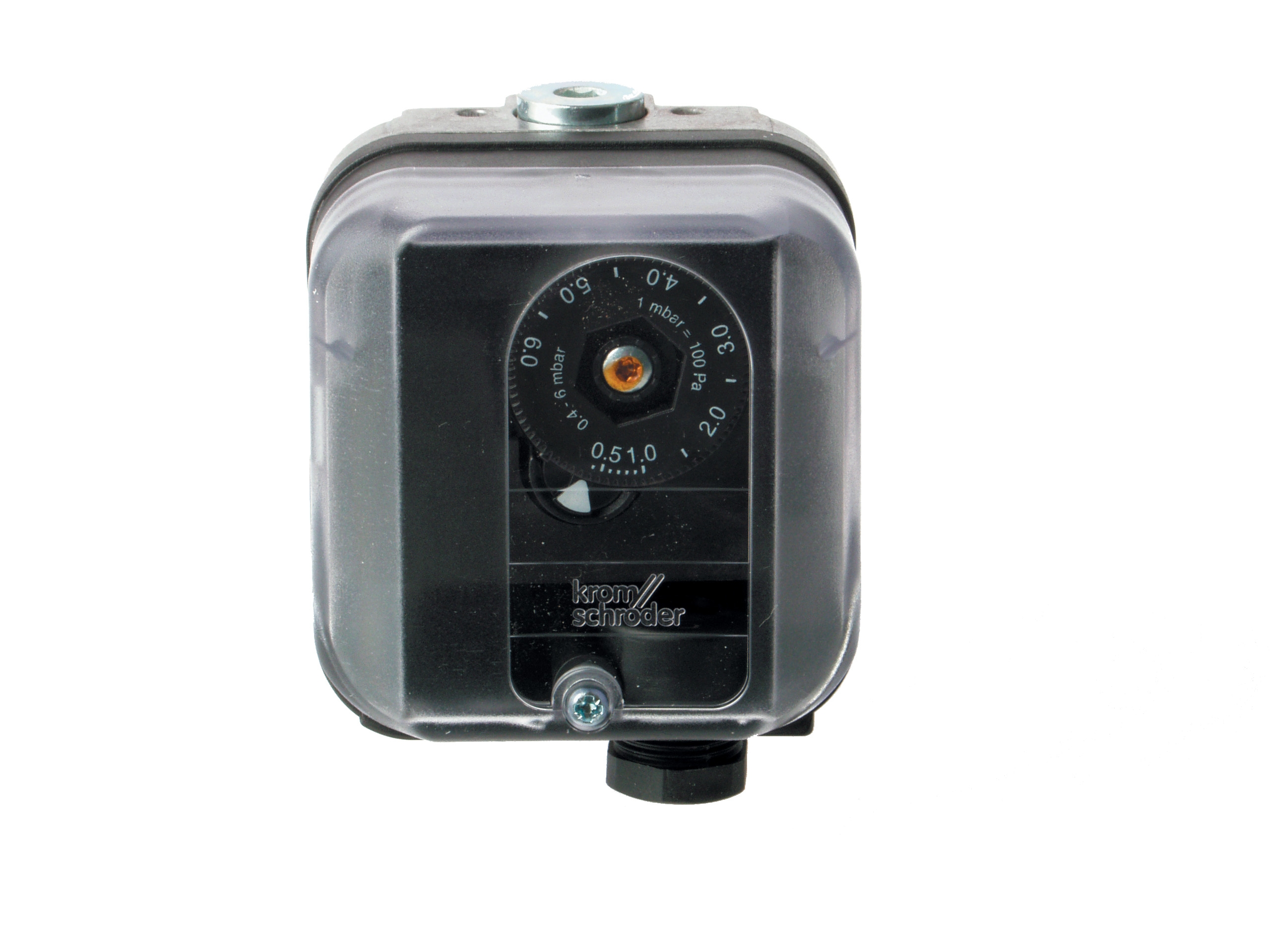
The Kromschroder Pressure switch DG 50U/6 serves as a critical safety boundary—it confirms adequate fuel pressure before the modulating valve permits full opening. Disconnect the pressure switch signal and manually apply air pressure (use a hand pump, not the fuel line) to verify switch actuation point. Compare actual switch point to nameplate rating (typically 0.1-0.3 bar differential). SIL 3 rated switches like the DG 50U/6 demand precision; if deviation exceeds ±0.05 bar, the switch is unreliable and must be replaced.
Step 3: Inspect Modulating Valve Response
With the burner in operation and in modulation mode, obstruct the air supply gradually while observing fuel flow response. A properly functioning system should reduce fuel proportionally within 2-3 seconds. If fuel reduction is delayed or jerky, the valve solenoid coil may have high resistance (measure with an ohmmeter; deviation >10% from nameplate indicates coil degradation) or the valve stem is sticking due to carbon or moisture accumulation.
Step 4: Verify Relay Signal Processing
The Siemens Relay LFL 1.622 processes flame signal and load demand input to generate modulation control signals. With the system running, disconnect the load demand signal (if it originates from a building management system or demand sensor) and observe burner behavior. If the burner immediately locks to a fixed position, the relay is functioning but receiving contradictory signals. If behavior doesn't change, the relay output may be stuck or the modulating valve is mechanically locked.
Step 5: Examine Feedback Loop Integrity
Modulating systems use closed-loop feedback (pressure feedback from the regulator outlet) to confirm that fuel pressure actually changes in response to control signals. Check the M5 feedback threading on the Honeywell block for leaks, blockages, or disconnection. Use soapy water to detect minute leaks while the system is pressurized. If feedback pressure is not reaching the relay input, the system operates open-loop and cannot maintain stable modulation.
Controls & Safety: Maintenance and Preventive Actions
Scheduled Component Inspection Protocol
Monthly Tasks (suitable for facility technicians):
- Visually inspect all pressure switch connections and relay terminals for corrosion or loose contacts
- Document burner response time to a 50% load step change; establish baseline and monitor for degradation
- Confirm pilot pressure stability (typically 1.5-2.5 bar) with an independent gauge
- Clean or replace fuel filters upstream of the modulating valve to prevent particulate accumulation
- Test the Pactrol Housing P 16 DI CE ignition module output voltage (confirm 12 kV at no-load condition) to verify capacitor health
- Measure solenoid coil resistance on the modulating valve; replace coil if resistance exceeds nameplate ±15%
- Remove and bench-test the modulating pressure regulator under controlled conditions
- Recalibrate the pressure switch at its actuation point
- Perform full system response simulation: apply load demand signal sweep (0-100% over 2 minutes) and confirm proportional fuel response with no hunting or overshoot
- Review and document all lockout events; identify patterns that may indicate incipient failures
Environmental Adaptation for Singapore Operations
Singapore's tropical environment—high humidity, salt-laden air near industrial zones, and 24/7 operating cycles—accelerates electrical corrosion and moisture infiltration. Implement these adaptations:
- Replace standard electrical connectors on relay and pressure switch inputs with sealed M12 connectors or equivalent IP67-rated fittings
- Apply dielectric grease to all terminal lugs to prevent salt-spray corrosion
- Install a small desiccant cartridge in the control box if the enclosure is not hermetically sealed
- Schedule pressure switch recalibration every 18 months (vs. industry standard 24 months) due to accelerated drift from humidity exposure
Troubleshooting Decision Tree: From Symptom to Solution
If burner hunts continuously:
First, confirm supply pressure is stable (see Diagnostic Step 1). If stable, measure the modulating valve solenoid coil resistance. If resistance is normal, the problem is relay signal generation or feedback line blockage. Inspect the feedback connection on the Honeywell regulator; if clear, the relay output signal may be oscillating due to instability in the flame signal input. Verify the Siemens LFL 1.622 is receiving a clean, non-fluctuating flame signal. If flame signal is stable but relay output oscillates, the relay tuning parameters (if adjustable) may require reconfiguration.
If burner locks to low fire:
Check pilot pressure first (should be 1.5-2.5 bar at the Honeywell block inlet). If pilot pressure is low, trace the pilot line upstream to the main gas supply pressure regulator. If pilot pressure is normal, the modulating valve solenoid is not receiving sufficient control current. Measure voltage at the solenoid coil terminals with the system demanding high fire; you should see 24 VDC (or 230 VAC, depending on system configuration). If voltage is present but the valve doesn't respond, the solenoid coil has failed internally and must be replaced. If voltage is absent, the relay output is not energizing the solenoid—check relay fuse and output relay contact status.
If burner locks to high fire:
This is a safety condition requiring immediate shutdown. The modulating valve is not receiving de-energization signal, indicating either a relay output failure or a mechanically stuck valve. Isolate the solenoid coil and measure its resistance; if resistance is open circuit (infinite), the coil has failed. Replace the solenoid. If resistance is normal, the valve stem is mechanically stuck; remove the valve for bench cleaning and testing. Do not restart the burner until the modulation circuit is restored.
If response to load changes is slow (>5 seconds):
Confirm that your modulating valve is sized correctly for system flow rates. A valve with undersized Cv (flow capacity) will appear sluggish even when functioning normally. Consult the original equipment specification. If sizing is correct, measure the modulating valve solenoid response time with an oscilloscope or by manual test: energize the coil and time how long the valve stem moves from closed to fully open. Response time >2 seconds indicates coil weakness or mechanical binding. If response is acceptable but overall system response is slow, the problem is in the control relay's signal generation logic—the relay may have delays built into its programming, or the demand signal input may be heavily filtered. Review relay configuration documentation and adjust filtering if possible.
Key Performance Indicators for Controls & Safety Monitoring
Plant managers should track these metrics to detect modulation degradation early:
- Modulation Stability Index: Count hunting cycles (full high-to-low transitions) per hour during steady-state operation. Baseline should be zero; if you observe more than 2-3 cycles per hour, component degradation is occurring.
- Response Time: Measure burner reaction to a 50% load step; should be 3-5 seconds. Increasing trend indicates control lag accumulation.
- Fuel Pressure Variance: Standard deviation of fuel pressure during steady operation should be <3%. Increasing variance suggests pressure regulator wear.
- Lockout Frequency: Track unplanned modulation-related lockouts per month. Rising frequency indicates systematic control instability requiring root-cause investigation.
Regularly documenting these KPIs transforms troubleshooting from reactive (responding to failures) to predictive (preventing failures before they impact operations).
When to Consult Equipment Specialists
Certain diagnostic scenarios require specialized tools or expertise beyond typical plant maintenance:
- Oscillatory Hunting with Unknown Root Cause: If you've verified supply pressure, pressure switch function, and solenoid response but hunting persists, the relay tuning or control algorithm may require recalibration. Contact the equipment manufacturer or a certified burner control technician.
- Intermittent Modulation Failures: If modulation performs normally during routine testing but fails under specific operating conditions (high ambient temperature, low fuel supply pressure, etc.), the system may have inadequate margin. Performance modeling by a controls specialist can identify required upgrades.
- SIL 3 Compliance Verification: If your burner system is subject to SIL 3 safety requirements (common in food processing and chemical facilities in Singapore), annual proof-testing by a certified third party is often mandatory. Pressure switch validation, relay diagnostics, and solenoid coil testing must follow EN 61508 protocols.
As a distributor of industrial control components for 35+ years, 3G Electric maintains partnerships with certified technicians and can coordinate specialist support when in-house troubleshooting reaches its limits.
Conclusion: Integrating Controls & Safety into Operational Excellence
Modulation control failures represent the intersection of operational efficiency and safety—poor control doesn't just waste fuel, it creates combustion instability that can generate unsafe emissions or trigger nuisance lockouts. By implementing systematic diagnostic procedures, maintaining KPI visibility, and addressing component degradation proactively, plant managers can achieve stable, safe, efficient burner operation across Singapore's demanding industrial environment.
The troubleshooting framework presented here—from initial symptom recognition through component-level diagnostics to maintenance planning—transforms modulation problems from mysterious operational headaches into solvable technical challenges. With component specifications clearly understood and failure patterns documented, your team can resolve most modulation issues without extended downtime.