Understanding Air Damper Controls & Safety in Industrial Burner Systems
Air damper control failures account for approximately 18-22% of unplanned burner shutdowns in industrial facilities across Southeast Asia. Unlike pilot ignition or flame detection failures that typically trigger immediate lockouts, air damper malfunctions develop gradually, often masking themselves as intermittent combustion instability or incomplete fuel combustion.
With 35+ years of experience distributing industrial equipment across the region, 3G Electric has identified that most air damper-related issues stem from three interconnected failure modes: mechanical linkage degradation, pneumatic/electric control signal loss, and improper integration between the damper actuator and the main control relay. Procurement engineers must understand that the air damper is not merely a mechanical component—it is a safety-critical control element that directly influences flame stability, NOx emissions compliance, and burner turndown efficiency.
The air damper regulates the ratio of combustion air to fuel entering the burner. Modern industrial burners typically employ two damper configurations: modulating dampers (continuously variable) and on-off dampers (fully open/closed). Both types depend on precise control signal transmission from the main safety relay to operate correctly. When this signal pathway fails, burners either run fuel-rich (increasing carbon monoxide risk and reducing efficiency) or run excessively lean (causing flame instability and nuisance lockouts).
Diagnosing Air Damper Control Signal Failures
Primary Failure Indicators
Procurement engineers should recognize these early warning signs before catastrophic failure occurs:
- Burner cycling on combustion air pressure switches: The burner fires, then shuts down after 5-30 seconds due to inadequate air flow. This suggests the damper is not opening to its full control range during the ignition sequence.
- Visible smoke or incomplete combustion products: Black smoke (unburned fuel) indicates excessive fuel-to-air ratio caused by restricted damper opening. White/blue smoke suggests lean combustion and potential flame lift-off.
- Oscillating flame appearance: The burner ignites and fires normally, then the flame becomes unstable, with periodic dying and relighting. This is the classic signature of damper response lag.
- Higher-than-normal fuel consumption: If the burner maintains flame but consumes 8-15% more fuel than engineering calculations predict, restricted air flow forces overfueling to maintain stable combustion.
- Nuisance high-limit or flame-out trips: Safety interlocks trip after 10-60 seconds of apparently normal operation, indicating the control system is detecting unsafe combustion conditions caused by improper air/fuel balance.
Signal Path Diagnostic Procedure
For modulating damper systems controlled by proportional relays like the Kromschroder BCU 570WC1F1U0K1-E, follow this systematic diagnostic:
Step 1: Verify relay output voltage at the damper actuator terminal
- Energize the burner in the ignition sequence and measure DC voltage at the damper actuator control terminals using a digital multimeter.
- Expected output: Full modulation typically requires 0-10V DC or 4-20mA signal, depending on the damper type.
- If output is zero or stuck at one level (fully open or fully closed): The relay itself has failed or the connection terminal is loose. Check relay BCU 570WC1F1U0K1-E output screw terminals for corrosion—tropical humidity in Southeast Asia accelerates oxidation of aluminum relay housings.
- For pneumatic dampers: Verify that the control air supply pressure remains constant at the solenoid valve outlet (typically 1.5-2.5 bar). If pressure fluctuates ±0.3 bar or more, the solenoid valve has internal leakage or the control air filter is partially blocked.
- For electric actuators: Apply the control signal manually and observe actuator movement. A properly functioning modulating actuator moves smoothly across its range in 3-8 seconds. Jerky movement or stalling indicates motor burnout or internal mechanical binding.
- Manually move the damper blade through its full travel range while observing actuator movement. There should be no slack, dead zones, or resistance spots. Any irregularity indicates worn couplings, bent linkage rods, or seized damper hinges—all common in high-temperature, corrosion-prone Southeast Asia environments.
Environmental and Regional Factors Affecting Controls & Safety Performance
Southeast Asia's tropical climate creates unique control system challenges that procurement engineers must address during component selection and maintenance planning:
Humidity and Corrosion Impact
Relative humidity exceeding 80% (common in coastal Southeast Asian facilities) accelerates corrosion of relay terminals, solenoid coils, and sensor connectors. The Kromschroder BCU 570WC1F1U0K1-E relay and DG 50U/6 pressure switch should be installed in NEMA 4X or IP66-rated enclosures rather than standard NEMA 1 cabinets. Without proper sealing, internal relay contacts oxidize within 18-24 months in coastal regions.
Mitigation strategy: Specify stainless steel hardware for all terminal connections and apply a thin coat of dielectric grease to relay screw terminals during installation. Schedule visual inspection of relay terminals every 12 months rather than the typical 24-month interval.
Ambient Temperature Stability
Outdoor or semi-enclosed industrial facilities in Southeast Asia experience rapid temperature swings (35°C day to 22°C night), causing thermal cycling stress on solder joints and relay coil windings. The Siemens LFL 1.622 safety relay specifications include a narrow operating temperature range (typically 0-55°C). Facilities exceeding this range experience drift in flame detection sensitivity and control signal stability.
Mitigation strategy: Install burner control enclosures in climate-controlled spaces or specify thyristor-based ignition modules that tolerate wider temperature ranges. The Pactrol Housing P 16 DI CE ignition module operates reliably across -5 to 40°C, making it suitable for variable Southeast Asia environments with proper ventilation.
Fuel Quality and Contaminant Risk
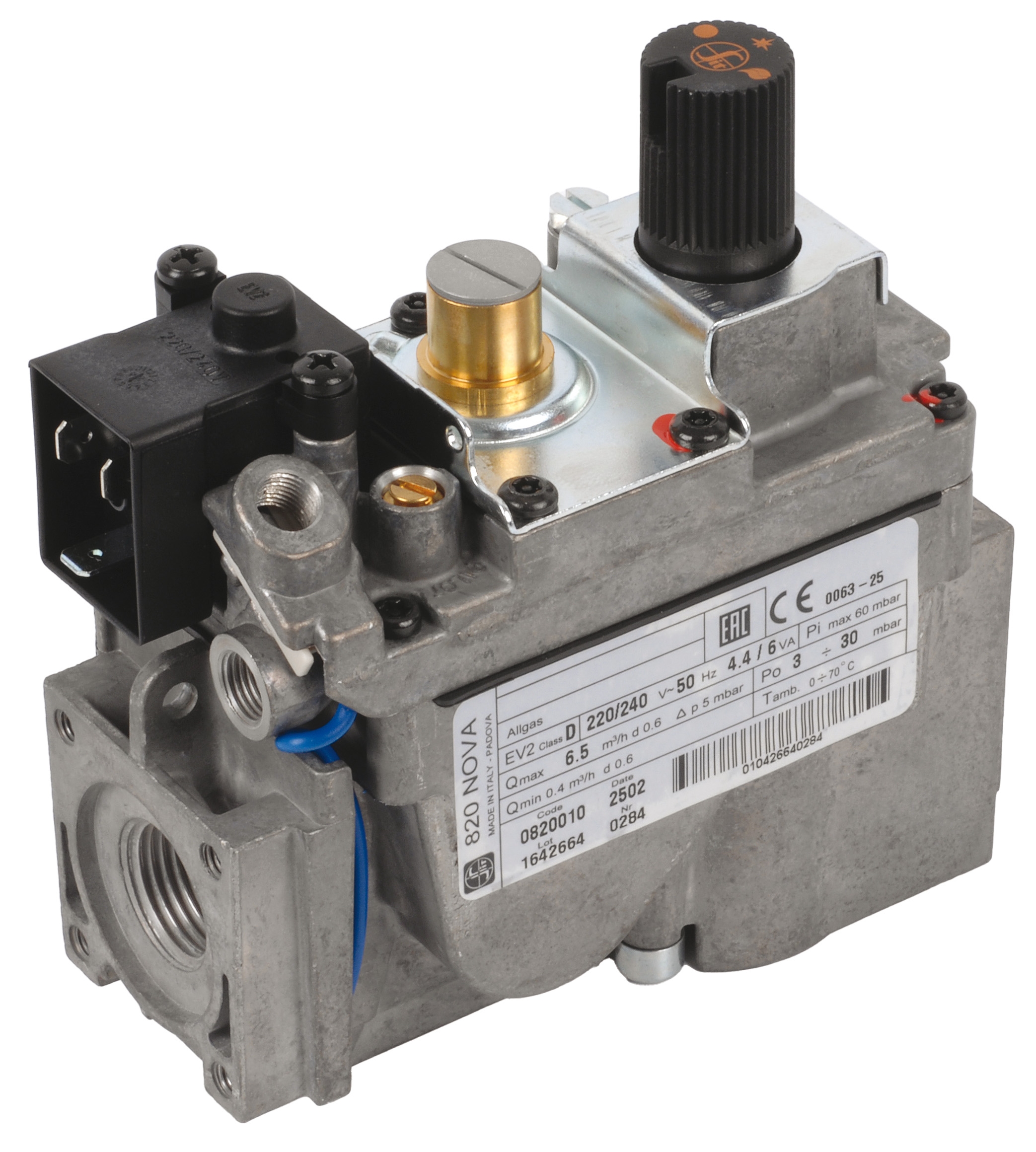
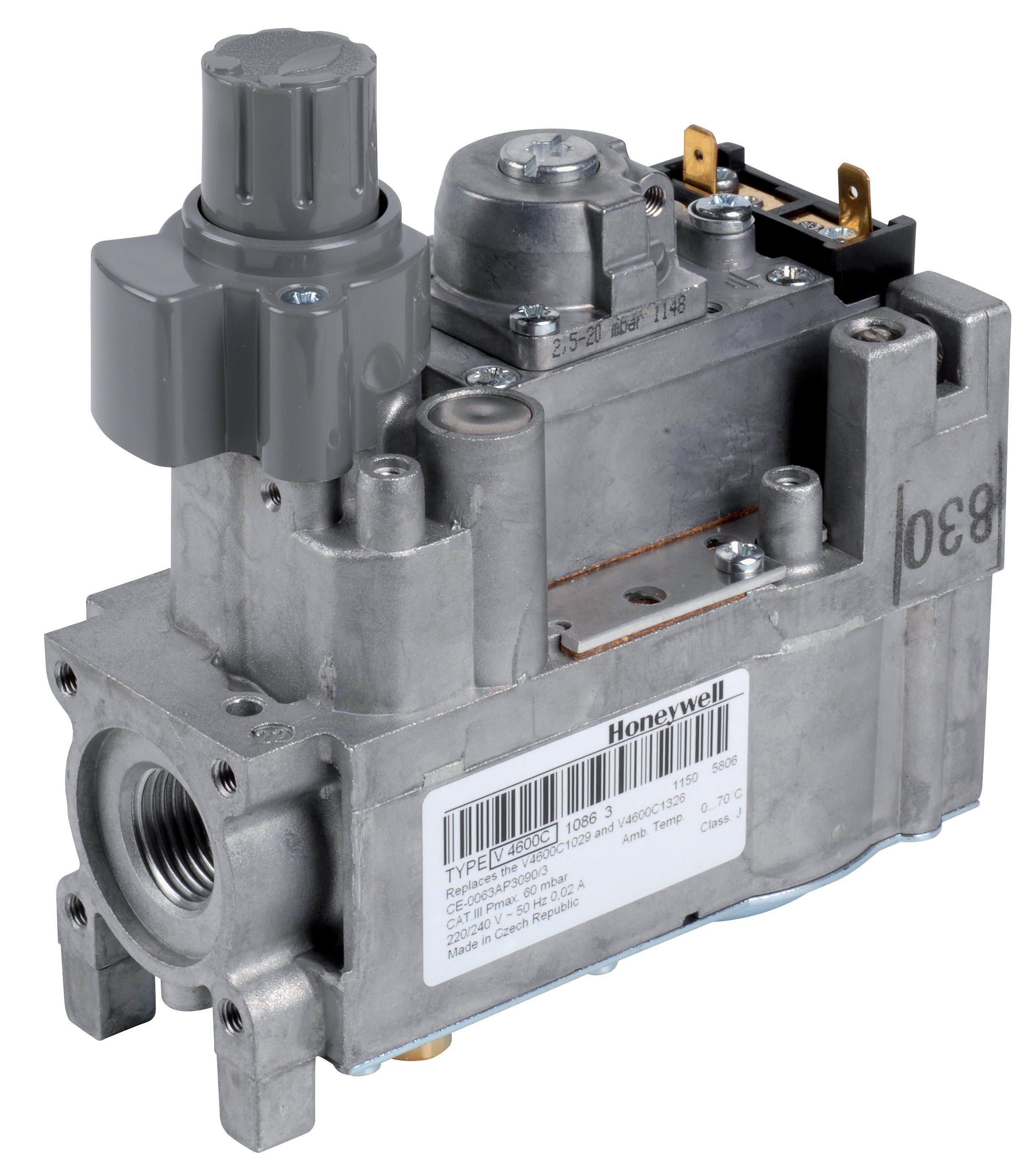
Fuel supplied to industrial burners in Southeast Asia sometimes contains higher moisture and particulate levels due to storage and distribution practices. This directly impacts gas control block performance. The Honeywell VK 4105 C 1041 U gas block includes integral pressure regulation and feedback sensing, but sediment accumulation in the pilot supply line reduces pilot pressure stability.
Mitigation strategy: Specify secondary fuel filters rated at 10 microns upstream of the gas control block and implement quarterly fuel quality testing (per ISO 12922 or equivalent regional standards). High-pressure fuel lines should use stainless steel or nickel-plated steel rather than plain carbon steel.
Component Selection and Replacement Strategy for Air Damper Control Systems
Evaluating Relay Compatibility with Damper Types
When an air damper control fails, procurement engineers often default to replacing only the failed component. However, proper long-term reliability requires evaluating the entire signal chain from safety relay to damper actuator.
For facilities currently operating with basic on-off damper control (binary open/close), the Kromschroder BCU 570WC1F1U0K1-E provides proportional output capability. Upgrading from on-off to proportional damper control improves burner turndown efficiency by 12-18%, reduces thermal stress on refractory, and lowers emissions by smoothing the air/fuel ratio across the entire firing range.
The BCU 570WC1F1U0K1-E supports both continuous and intermittent pilot ignition modes (EN 746-2 compliant), making it suitable for retrofit into older Asian-market burner installations originally designed for simpler controls. Key procurement specification: Confirm the relay output stage can source at least 500mA at 24V DC to reliably drive proportional solenoid coils across 2-5 meter cable runs typical in large industrial facilities.
Pressure Switch Integration in Multi-Stage Safety Systems
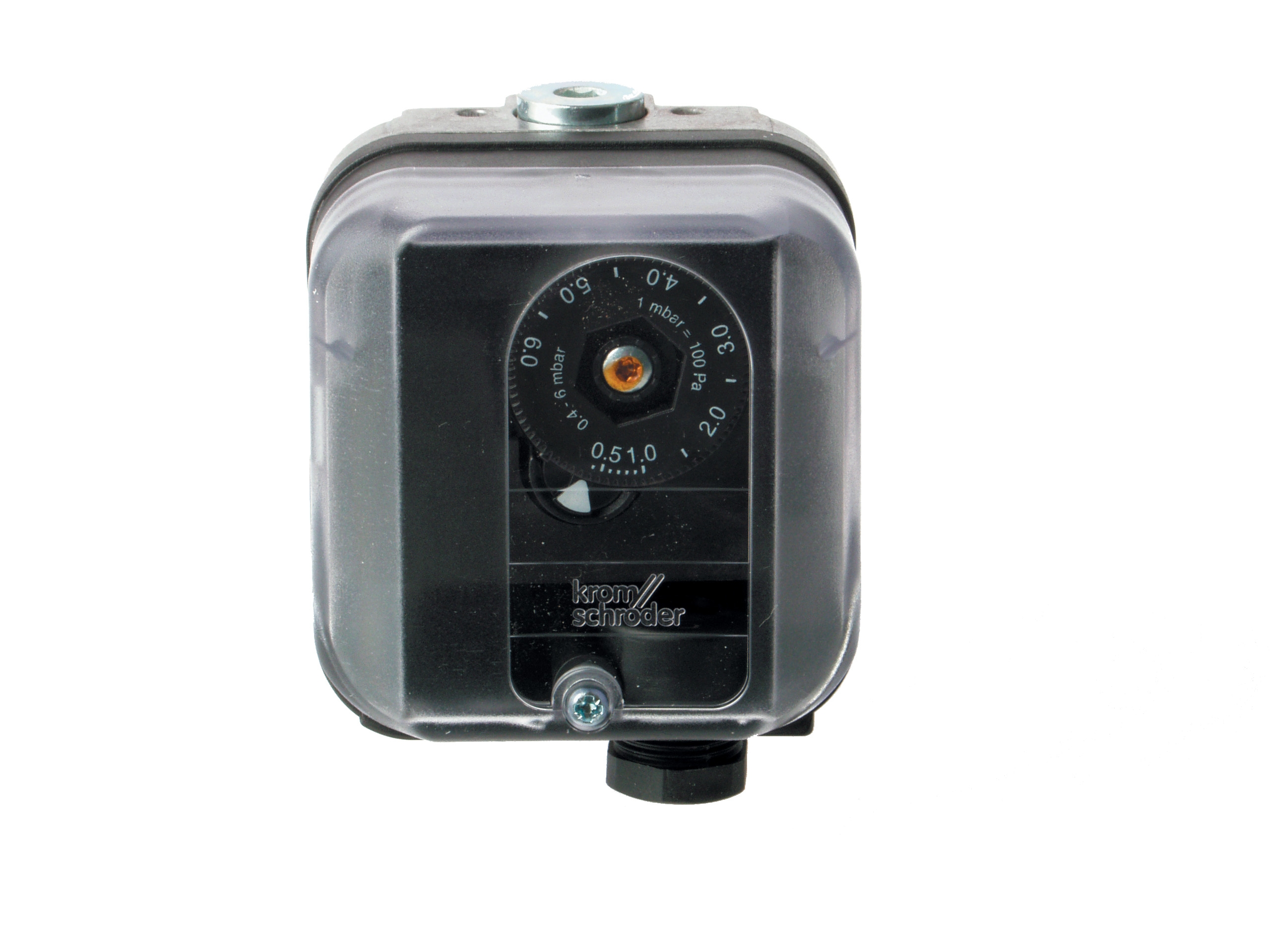
The Kromschroder DG 50U/6 pressure switch functions as a secondary safety interlock, preventing burner operation if combustion air pressure falls below a setpoint (typically 15-35 mbar above atmospheric). This component directly validates that the air damper is actually opening and allowing air flow.
When replacing a failed pressure switch, procurement engineers must verify:
- Setpoint calibration accuracy: DG 50U/6 units are factory-calibrated but can drift. Verify the switch electrical connections (DIN 43650 plug) are firmly seated—loose connections cause intermittent signal loss that triggers nuisance lockouts.
- Hysteresis bandwidth: The switch must not chatter (repeatedly open/close) due to pressure ripple. If the facility has pulsating combustion air (rotary or reciprocating compressor), specify a pressure switch with 2-3 mbar hysteresis to prevent erratic operation.
- SIL 3 / Performance Level e certification: The DG 50U/6 achieves SIL 3 rating only when integrated into a fully certified control architecture. Do not assume that installing a SIL 3-rated switch automatically makes the entire burner system SIL 3-compliant.
Maintenance Procedures and Regulatory Compliance
Quarterly Inspection Protocol for Air Damper Controls & Safety Systems
Procurement engineers should implement this practical quarterly checklist to prevent failures in Southeast Asia's challenging environment:
Visual Inspection (15 minutes)
- Examine the BCU 570WC1F1U0K1-E relay housing for moisture accumulation, insect nests, or visible corrosion on terminal blocks.
- Check damper linkage for visible bending, loose fasteners, or corrosion bloom on carbon steel components.
- Verify that all cable entries into the control enclosure use properly sealed glands or conduit—open holes allow insect infiltration and water entry.
- With the burner in manual test mode, measure relay output voltage (or current) as described in the diagnostic section above.
- Observe damper movement timing: Optimal response is damper opening within 2-3 seconds after relay output signal appears.
- If response exceeds 5 seconds, the actuator or signal pathway has degradation; plan component replacement within 30 days.
- Measure combustion air pressure at the DG 50U/6 pressure switch sensing port during normal burner operation. Pressure should remain within ±10% of the design specification.
- If pressure fluctuates more than ±15%, clean or replace the air filter supplying the burner's forced-draft fan.
- Record all findings in the facility's burner maintenance log. In Southeast Asia, jurisdictions including Singapore, Malaysia, and Thailand increasingly require documented quarterly burner control verification for facilities exceeding 50 MW thermal input.
- Maintain calibration certificates for pressure switches: DG 50U/6 units should be factory-recalibrated every 3 years (compared to 5 years in temperate climates) due to humidity-accelerated drift.
Procurement Specifications for Replacement Components
When ordering replacement controls and safety components through 3G Electric, procurement engineers should specify:
- Enclosure rating: Minimum NEMA 4X (IP66) for outdoor or humid indoor installations.
- Terminal material: Stainless steel or nickel-plated copper for all electrical connections.
- Coil voltage options: Dual coil models (24V AC/DC universal) provide installation flexibility and faster emergency repair response.
- Documentation in local language: Ensure technical manuals for the Siemens LFL 1.622 and other safety relays are available in Bahasa Malaysia, Bahasa Indonesia, Thai, or Vietnamese for local technician training and troubleshooting.
Conclusion
Air damper control failures represent a subtle but critical threat to industrial burner safety and efficiency. Unlike dramatic flame-out events, damper control degradation produces creeping performance loss: increased fuel consumption, intermittent lockouts, and slow drift toward non-compliance with emissions regulations. Procurement engineers who understand the signal pathway from safety relay through damper actuator can diagnose and resolve these issues before they escalate into facility shutdowns.
With 35+ years of experience supporting Southeast Asia's industrial base, 3G Electric recognizes that tropical environmental challenges compound control system reliability issues. Specification of corrosion-resistant hardware, environmental sealing, and quarterly verification procedures transforms air damper controls from a maintenance liability into a reliable, predictable system component. The investment in proper component selection and documented maintenance procedures reduces emergency repair costs by 40-60% compared to reactive troubleshooting.