Understanding Dual-Fuel Burner Systems & Operational Flexibility
Burners & Combustion performance in Singapore's industrial landscape increasingly demands flexibility. Many facility operators face unpredictable demand cycles, seasonal energy pricing variations, and the need to switch between natural gas and fuel oil depending on market conditions and supply chain disruptions.
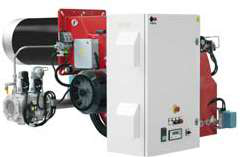
Dual-fuel burners address this challenge by enabling operators to run on either gas or oil—or both simultaneously—within the same combustion chamber. Unlike traditional single-fuel designs, dual-fuel systems like the FBR KN 1300/M TL EL provide thermal power ranges from 1700 to 11,500 Mcal/h with two-stage modulating control, making them ideal for Singapore's manufacturing, chemical processing, and food & beverage sectors where energy costs directly impact margins.
The operational advantage extends beyond fuel switching alone. Modern dual-fuel burners integrate sophisticated combustion control that maintains optimal air-fuel ratios regardless of which fuel dominates the mix. This eliminates the combustion inefficiency penalties typically associated with fuel changes. For example, when transitioning from natural gas to heavy fuel oil due to price advantages, the burner's control system automatically adjusts air supply and fuel injection timing—preventing the excess emissions and reduced thermal efficiency that would occur with manual adjustment or older non-modulating equipment.
With over 35 years of experience distributing industrial combustion equipment, 3G Electric understands that Singapore's strict environmental regulations and escalating energy audits make this automated approach essential. Facilities cannot afford the downtime or compliance violations that come from combustion mismanagement during fuel transitions.
Load Modulation Techniques: Matching Burner Output to Plant Demand
Load modulation—adjusting burner thermal output in response to actual heating demand—represents one of the most effective cost reduction opportunities in industrial burner operations. Many Singapore plants still operate burners in on-off mode, where equipment runs at full capacity until setpoint is reached, then shuts down completely. This creates thermal cycling losses, reduced component lifespan, and wasted fuel.
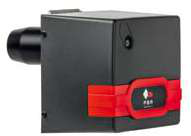
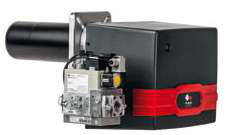
Modulating burners achieve 15–30% energy savings compared to on-off operation by continuously adjusting fuel and air delivery to match real-time load. The FBR GAS XP 60/2 CE TC EVO, a two-stage gas burner delivering 116–630 kW thermal power, exemplifies this capability. Two-stage operation allows the burner to run at an intermediate setpoint (typically 40–60% capacity) during partial-load periods, then ramp to full capacity only when demand spikes. This reduces cycling frequency and maintains combustion stability across a wider operating window.
For dual-fuel systems like the FBR KN 1300/M TL EL, modulation becomes even more sophisticated. The burner accepts modulating signals from your plant's process control system—whether a 4-20 mA analog signal, 0-10 VDC, or modern networked protocols. As product demand drops (fewer units being manufactured, lower process temperatures required, or reduced production shifts), the burner proportionally reduces fuel and combustion air, maintaining stable flame without cycling on and off.
Implementing effective load modulation requires proper control instrumentation. The Siemens Relay LFL 1.622, a safety control unit designed for medium-to-high power burners, integrates UV and ionization flame monitoring with controlled air damper capability. This allows the relay to safely manage air damper positioning across the entire modulation range, ensuring that as fuel delivery decreases, combustion air decreases proportionally—preventing lean-burn conditions that generate NOx emissions or unstable flame.
Practically, for a Singapore food processing plant operating a 24/7 heating load that varies between 30% and 100% capacity across different production shifts, a modulating dual-fuel burner with proper control integration can achieve:
- Off-peak shift (30% load): Burner runs at Stage 1 (approximately 40% full power), consuming 40% less fuel than full-power on-off cycling would consume.
- Peak production (100% load): Burner seamlessly transitions to Stage 2 and full modulation range without the thermal shock of a cold restart.
- Fuel switching: If heavy oil becomes cheaper mid-shift, the operator can switch fuels; the control system maintains load without interruption, provided the burner is rated for dual-fuel operation.
Seasonal Fuel Switching & Cost Optimization Strategy
Singapore's petrochemical and refining sector, alongside manufacturing clusters, experiences seasonal fluctuations in natural gas availability and pricing. Additionally, heavy fuel oil pricing varies with crude oil market movements. Strategic fuel switching—moving to whichever fuel is economically optimal—directly improves plant profitability.
However, fuel switching introduces technical challenges:
Combustion Stability Across Fuel Types: Natural gas and heavy fuel oil have vastly different combustion characteristics. Gas ignites more readily and burns faster; heavy oil requires higher combustion air temperature, longer residence time, and precise atomization. Without proper burner design, switching fuels can produce flame instability, increased emissions, and reduced thermal efficiency.
The FBR KN 1300/M TL EL addresses this through dual-fuel burner design optimized for both fuel types. Heavy oil atomization utilizes a pressurized nozzle system (requiring 10–25 bar fuel pressure), while gas delivery uses a separate gas inlet with appropriate orifice sizing. The burner's combustion chamber geometry and air supply system accommodate both fuels' differing ignition and burn rate characteristics.
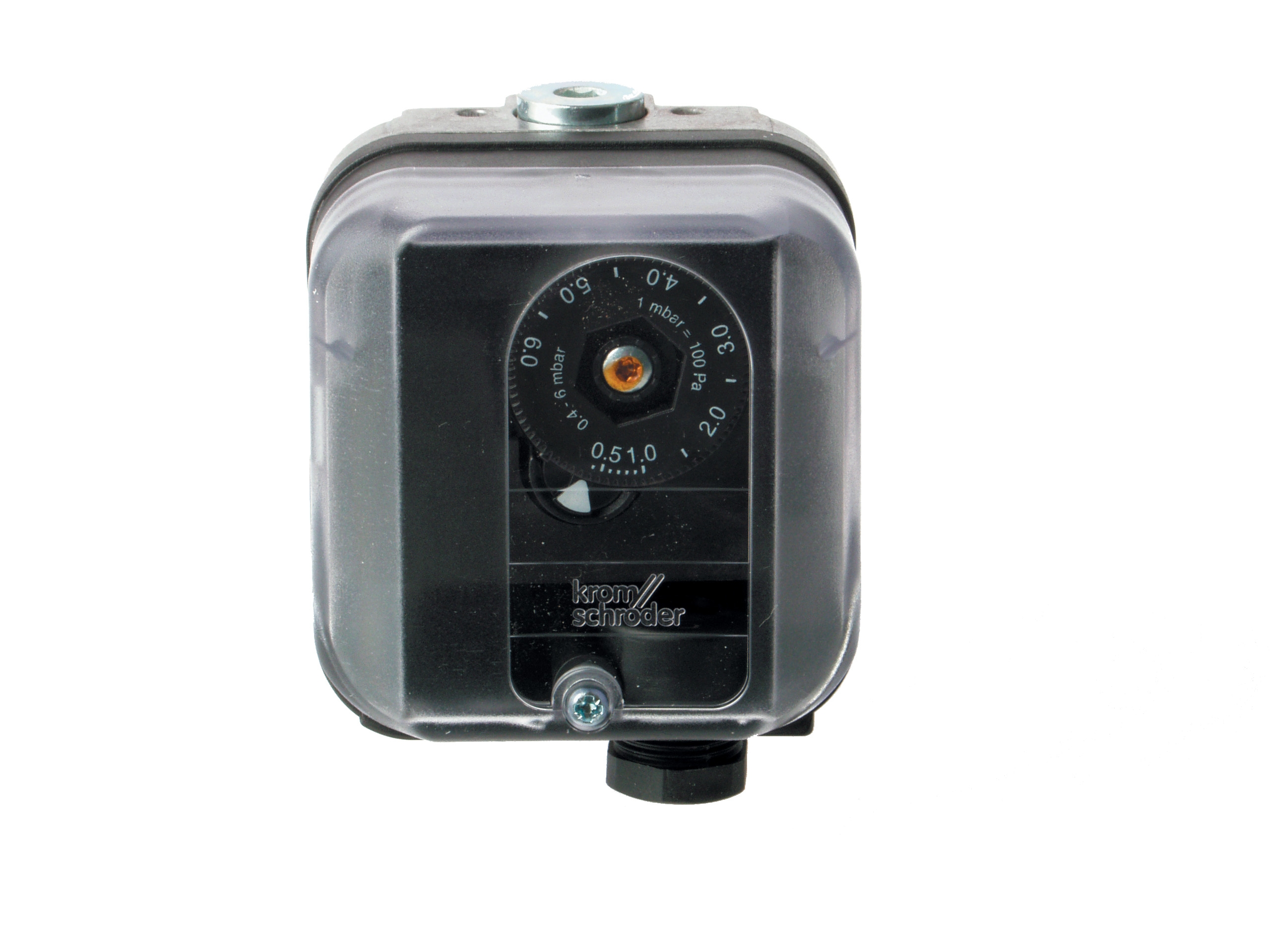
Pressure Switch Coordination: When switching fuels or operating at different load points, maintaining correct fuel delivery pressure is critical. The Kromschroder Pressure switch DG 50U/6, rated SIL 3 and Performance Level e with EN 1854, FM, UL, AGA, and GOST-TR certifications, serves as the safety interlocking device ensuring fuel pressure remains within burner-rated limits. This prevents over-pressure (which damages nozzles and creates safety hazards) and under-pressure (which causes flame failure).
For practical application: If your plant switches from natural gas (which flows at ~20 mbar) to heavy oil (which requires 10–25 bar), the pressure switch monitoring fuel supply detects if oil pressure drifts below minimum safe operating pressure. The switch signals the burner control relay to either increase fuel pump discharge or shut down the burner safely—preventing uncontrolled flame conditions or emergency flaring.
Seasonal Implementation Plan:
1. Monitor utility pricing: Track natural gas and fuel oil prices weekly; establish a switch threshold (e.g., switch to heavy oil if price drops 15% below gas equivalent cost).
2. Pre-season equipment verification: Before each heating season, verify burner nozzles, atomizing air pressure (if applicable), and control relay response times. Heavy oil residue accumulation requires more frequent cleaning than gas-only burners.
3. Staged switchover: Rather than switching all burners simultaneously, activate one burner on the alternate fuel, run it for 4–8 hours, and verify flame stability, emissions, and thermal output before switching remaining units. This catches problems on a single burner without disrupting plant operation.
4. Fuel line purging: When switching from heavy oil back to gas, purge fuel lines and atomizing air passages. Residual oil vaporization or deposits can contaminate gas combustion and produce odor complaints.
Control System Integration & Pressure Management
Dual-fuel burners demand more sophisticated control architecture than single-fuel equipment. The Kromschroder Relay BCU 570WC1F1U0K1-E, a burner control relay supporting direct ignition and intermittent/continuous pilot ignition modes, provides the safety logic foundation. This relay coordinates ignition sequence, monitors flame detection signals, manages fuel valve solenoids for both fuel types, and ensures safe shutdown if flame is lost.
For Singapore plants operating multiple burners or complex heating circuits, proper pressure management prevents several operational failures:
- Burner-to-burner pressure variance: If fuel pressure fluctuates across multiple burners, some will receive more fuel than others, creating uneven thermal distribution and unequal load sharing.
- Nozzle erosion: Sustained over-pressure accelerates nozzle wear, increasing maintenance frequency and emissions drift.
- Safety relay nuisance trips: Pressure switches rated for one fuel type may misinterpret pressure spikes when switching fuels, causing unnecessary shutdowns.
The Kromschroder DG 50U/6 pressure switch, with its SIL 3 rating, provides the hysteresis and response time characteristics necessary for reliable burner operation across dynamic load changes and fuel transitions. Its broad certification profile (FM, UL, AGA, GOST-TR) ensures compatibility with imported equipment and alignment with regional standards that Singapore facilities commonly encounter.
Practical Configuration: For a dual-fuel system with modulating control, implement pressure switches on both fuel supply lines—one per fuel type. Each switch should be set to the burner manufacturer's rated operating pressure range (e.g., gas at 15–25 mbar, oil at 10–25 bar). When the operator commands a fuel switch, the control relay signals the inactive fuel's solenoid to close while opening the active fuel solenoid; pressure switches confirm fuel is available at correct pressure before the ignition sequence begins.
This configuration also enables automatic fuel switching if supply fails: if natural gas pressure drops below the lower switch setpoint while the burner is running on gas, the control relay can automatically command an oil fuel supply (if available) without manual intervention, minimizing production downtime.
Maintenance & Seasonal Commissioning Protocol
Dual-fuel burners require more rigorous maintenance than single-fuel designs due to the additional fuel pathway, nozzles, and control valves. Singapore's tropical climate—high humidity and salt-laden air in coastal areas—accelerates corrosion of exposed metal components, particularly nozzles and fuel line fittings.
Pre-Season Checklist (at start of heavy heating season, typically September–October in Southeast Asia for many processes):
- Inspect and clean or replace burner nozzles; heavy oil nozzles accumulate carbon residue even during gas-only operation if oil supply lines were not fully purged.
- Verify fuel pump discharge pressure; oil pumps may lose prime if fuel lines were drained during off-season.
- Test control relay response time: ignition delay should be <4 seconds; flame detection signal should trigger shutdown within <5 seconds if flame is lost.
- Measure flue gas composition (CO₂, O₂, CO levels) at both full and partial load; excessive CO indicates poor fuel-air mixing requiring nozzle replacement or burner adjustment.
- Confirm pressure switch setpoints match burner nameplate ratings; calibrate if drift is detected.
- Log burner starts/stops and fuel type used; unexpected patterns indicate control valve sticking or pilot ignition issues.
- Monitor flue temperature; rising flue gas temperature indicates fouled heat exchanger or improper air supply, reducing burner efficiency.
- Check fuel consumption against theoretical values; excess consumption suggests incomplete combustion or nozzle wear.
With 35+ years supporting Singapore's industrial base, 3G Electric recognizes that facilities operating dual-fuel systems benefit significantly from having spare nozzles, control relays, and pressure switches in inventory. Lead times for imported components can extend operations disruptions; having qualified spares ensures repairs are completed within hours rather than days.
Conclusion: Strategic Fuel Flexibility for Long-Term Competitiveness
Dual-fuel burner systems with modulating load control represent a mature, proven investment for Singapore's competitive manufacturing and process industries. By enabling fuel switching, load modulation, and automated control integration, these systems reduce energy costs, extend equipment lifespan, and maintain compliance with environmental regulations without requiring facility redesign or capital-intensive system replacement.
The foundation of reliable performance is proper equipment selection, correct control system integration, and consistent preventive maintenance. Partnering with a distributor experienced in industrial combustion—like 3G Electric, with over three decades supporting Singapore's most demanding operations—ensures that your burner system is specified, installed, and maintained to deliver the operational and economic benefits these technologies promise.