Understanding Industry Applications in Modern Procurement Strategy
When procurement engineers evaluate equipment investments, they often focus on initial capital costs rather than total cost of ownership across equipment lifecycles. Industry applications extend far beyond simple component selection—they encompass how specific equipment performs within interconnected systems, how maintenance strategies impact operational reliability, and how infrastructure decisions compound across facilities.
At 3G Electric, our 35+ years of global distribution experience has revealed a critical insight: procurement success depends on understanding application context. The same high-pressure nozzle performs differently in a steam system versus a cooling circuit; an expansion tank serves vastly different purposes in heating loops versus pressurized reservoirs; and safety infrastructure requirements shift based on regulatory environments and facility criticality.
This article addresses the practical dimensions procurement engineers face when specifying equipment for diverse industrial applications—moving beyond generic product specifications to actionable integration strategies.
High-Pressure Fluid Delivery: Application-Specific Nozzle Selection
Precision nozzle selection represents one of the most underestimated procurement decisions in industrial operations. Many facilities treat nozzles as interchangeable commodities, creating cascading performance problems across their operations.
Performance Variability by Application Type
High-pressure flat jet nozzles perform distinctly across different industrial contexts:
Combustion Control Applications: In burner systems operating at elevated pressures, nozzle spray patterns directly influence combustion efficiency and emissions. The CBM Flat jet nozzle HP 1/4"M BSPT index 25 angle 15° delivers consistent atomization in fuel oil applications where spray angle stability prevents flame distortion. Index specifications (the flow rating) become critical—selecting 25 versus 55 index directly impacts fuel flow rates and burner turndown ratios. Procurement engineers specifying these components must account for burner commissioning requirements and seasonal turndown needs.
Cooling Circuit Spray Applications: Industrial cooling systems require different performance characteristics. The CBM Flat jet nozzle HP 1/4"M BSPT index 055 angle 15° serves higher-flow cooling circuits where greater volumetric delivery enables rapid thermal response. The higher index (055 versus 025) reduces pressure drop across the nozzle, critical in cooling systems where maintaining consistent flow prevents temperature stratification.
Service Life Predictability: Nozzle clogging represents a major hidden cost in industrial operations. When procurement engineers specify nozzles without understanding downstream fluid quality management, they inherit premature failures and unplanned maintenance. Facilities using filtered fuel oil experience 3-5x longer nozzle service life than those without adequate filtration.
Procurement Implications
When evaluating nozzle specifications for your facility, document three variables: operating pressure range, expected throughput under normal and peak demand, and fluid cleanliness classification. Underspecified nozzles (too low index) increase operating pressure and accelerate internal wear; oversized nozzles reduce control precision and increase safety risks in combustion applications.
Expansion Tank Systems: Critical Infrastructure for Pressure Management
Expansion tanks represent foundational infrastructure that procurement engineers often neglect despite their importance for system reliability and safety.
Functional Roles Across Industrial Applications
Expansion tanks serve fundamentally different purposes depending on system context:
Closed-Loop Heating Systems: In industrial heating circuits, expansion tanks accommodate thermal volume changes while maintaining pressurization. As fluid temperature fluctuates, the tank's air charge (pre-charge) absorbs expansion, preventing pressure relief valve activation and associated fluid loss. A properly specified tank extends relief valve service life by 50-70% by eliminating unnecessary discharge cycles.
Pressurized Reservoir Systems: In closed-pressure systems (common in industrial process equipment), expansion tanks stabilize pressure ripple and accommodate component volumetric changes. Undersized tanks force pressure regulation systems to work continuously, increasing wear on control valves and reducing response precision.
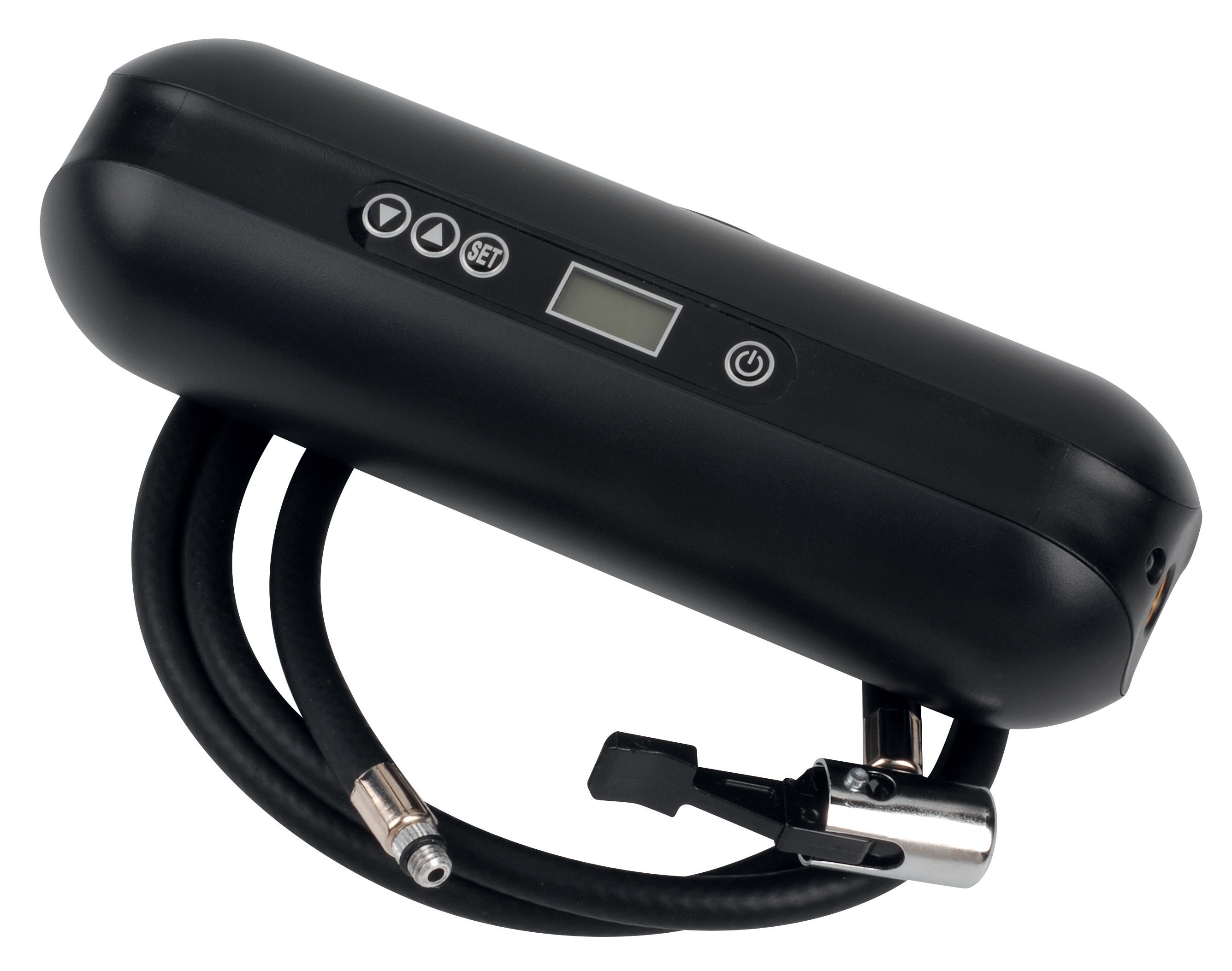
Maintenance Infrastructure: The CBM Expansion tank inflator battery 2000 mAH addresses a widespread operational problem—facilities cannot efficiently verify or adjust tank pre-charge pressure without dedicated inflation equipment. Most facilities ignore pre-charge verification entirely, leading to progressive tank degradation and eventual system failures. A battery-powered inflator enables quarterly pre-charge audits, catching degradation before it impacts production.
Procurement Strategy for Tank Systems
When specifying expansion tanks, procurement engineers must determine: (1) total system volume requiring expansion accommodation, (2) expected temperature or pressure range variation, and (3) maintenance accessibility. Undersized tanks create chronic system stress; oversized tanks consume capital unnecessarily and complicate installation.
Integrating maintenance tools like the inflator battery into your procurement strategy reveals hidden operational value. The equipment cost is minimal, but the operational benefit—preventing expansion-related system failures—justifies the investment immediately.
Safety Infrastructure and Reservoir Monitoring: Risk Management Through Procurement
Safety infrastructure decisions made during procurement phase determine operational risk profiles for entire equipment lifecycles. This extends procurement responsibility into facility safety management.
Integrated Alarm and Shut-Off Systems
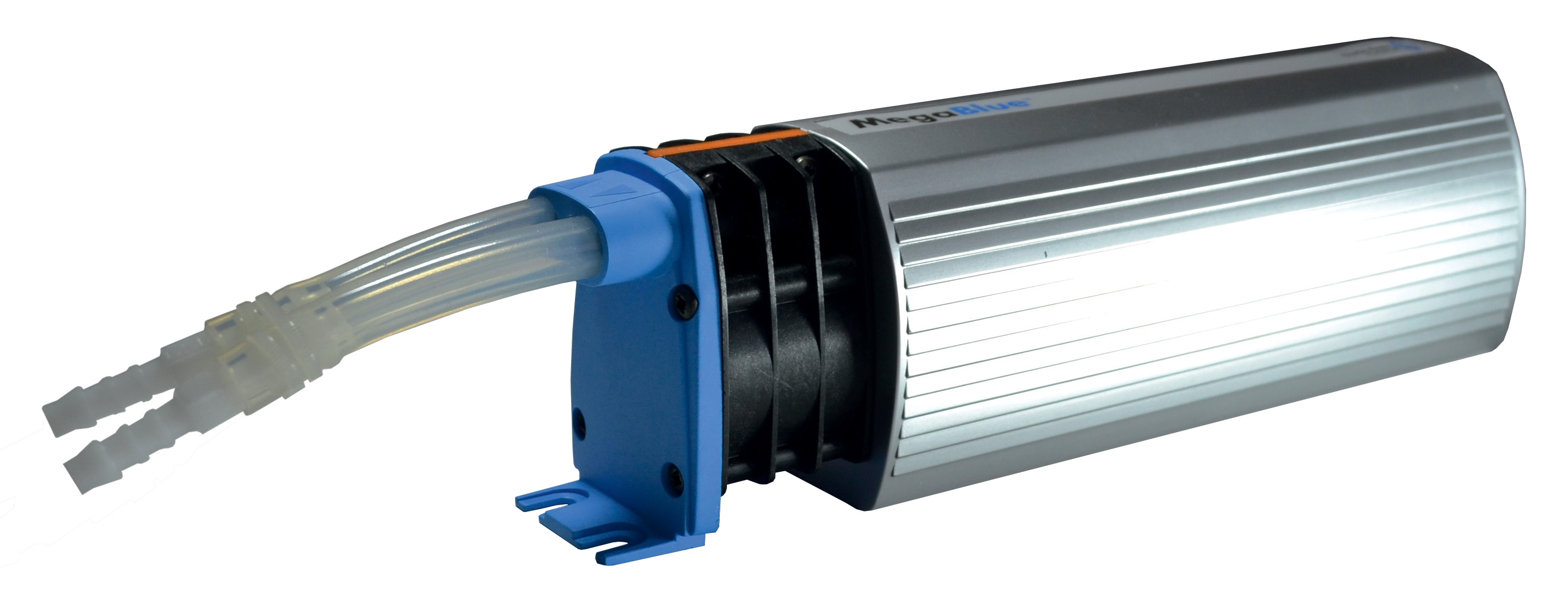
Industrial reservoirs accumulate risks over time—fluid degradation, contamination ingress, pressure anomalies, and thermal excursions all create hazardous conditions. The CBM Megablue reservoir alarm + shut-off X87-813 demonstrates how integrated safety infrastructure prevents hazardous conditions before they develop.
This system operates on multiple protective levels:
- Real-time fluid condition monitoring: Sensors detect contamination threshold exceedance, triggering operator alerts before fluid degradation compromises equipment
- Pressure anomaly detection: Sudden pressure changes indicate system integrity problems; automatic shut-off prevents cascading failures
- Thermal protection: Temperature monitoring prevents fluid degradation in industrial applications where ambient conditions fluctuate
Installation and Accessibility Infrastructure
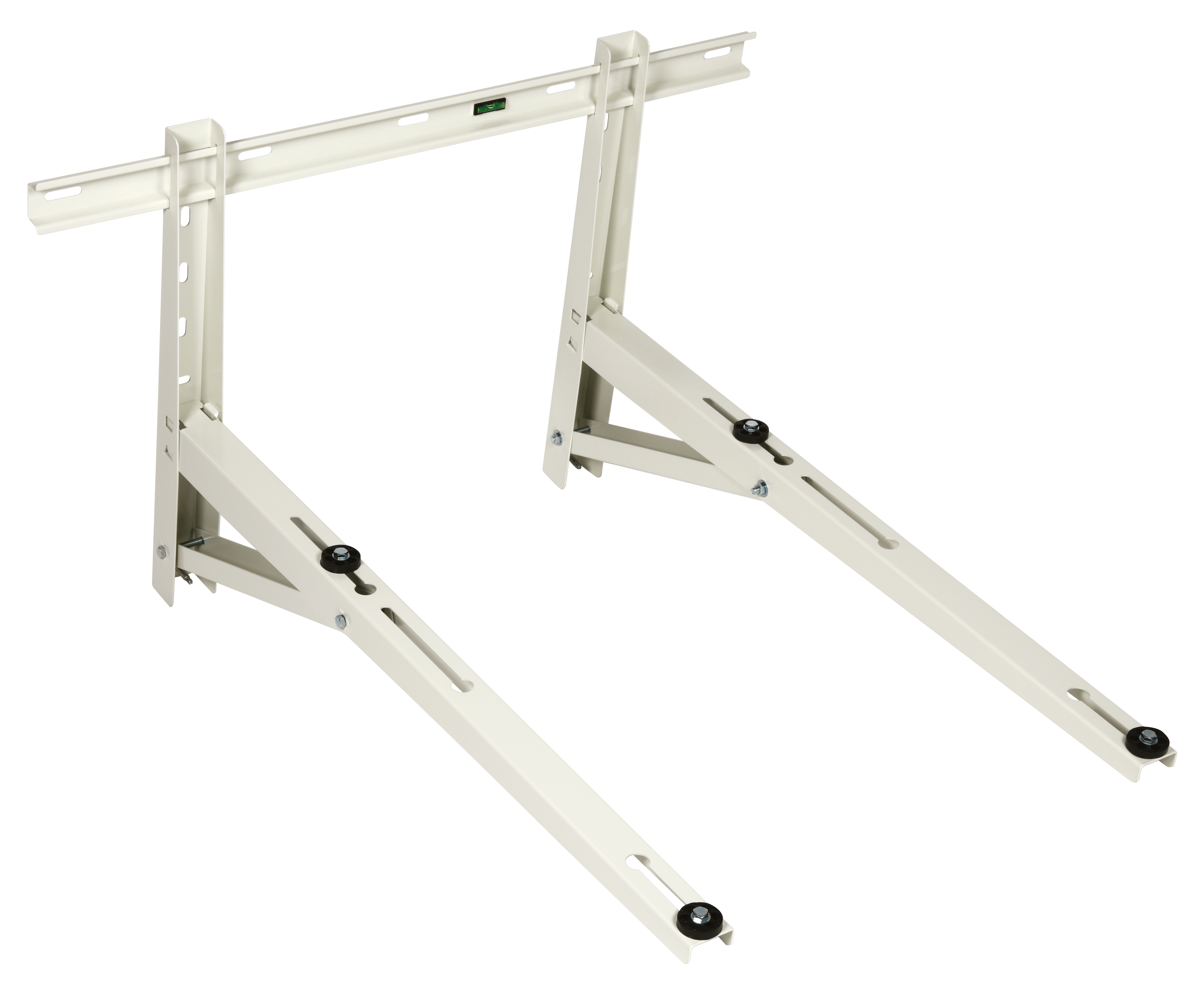
Safety infrastructure only functions effectively when properly installed and accessible for maintenance. The CBM Wall bracket 1000 represents procurement-level attention to installation engineering that determines whether monitoring systems remain functional throughout their service life.
Proper mounting ensures:
- Sensor positioning for accurate readings
- Accessibility for calibration and maintenance
- Protection from environmental damage and impact
- Cable management preventing water ingress or mechanical damage
Many facilities install sophisticated monitoring systems then fail to maintain them because mounting infrastructure wasn't engineered adequately during initial procurement. This represents a common false economy—saving on mounting hardware while inheriting years of unreliable monitoring data.
Global Operations: Standardization Across Facility Networks
3G Electric's experience across 90+ countries reveals a critical procurement challenge: managing equipment standardization across distributed facilities operating under different regulatory frameworks.
Specification Consistency and Supply Chain Resilience
When facilities across your global network standardize on specific nozzle indices, tank specifications, and monitoring systems, you achieve:
Simplified Maintenance Planning: Technicians familiar with standard components can support multiple facilities. Training investments multiply across your network. Parts inventory optimization becomes possible—centralized spare parts pools serve multiple locations efficiently.
Supply Chain Resilience: Working with established distributors like 3G Electric who maintain global stock positions ensures consistent availability despite regional supply disruptions. When your Singapore facility requires urgent nozzle replacement, our immediate availability prevents extended downtime.
Regulatory Compliance Coordination: Different regions impose varying safety and environmental requirements. Standardizing on components certified across multiple jurisdictions simplifies compliance verification and reduces certification costs. Equipment specified with global applicability reduces procurement complexity and extends replacement component availability.
Application Diversity Within Standardization
Standardization doesn't require uniform specifications across all applications. Rather, procurement engineers should establish standardized component families—selecting from proven options (like our CBM nozzle indices and tank specifications) while tailoring selections to specific application requirements.
This approach balances operational consistency with application performance optimization. Your heating systems standardize on specific nozzle indices; your cooling circuits standardize on different indices. This creates procurement discipline while preserving application performance.
Practical Implementation Framework
Translating this guidance into procurement practice requires a systematic approach:
Phase 1: Application Documentation
- Catalog existing installations with operating parameters
- Document historical failure modes and root causes
- Identify maintenance-related issues (fluid contamination, pressure cycling, thermal stress)
- Evaluate current component selections against documented application requirements
- Identify standardization opportunities across facilities
- Assess maintenance infrastructure (inflators, mounting hardware, monitoring integration)
- Work with distributors offering comprehensive portfolios spanning nozzles, tanks, and safety infrastructure
- Leverage distributor experience across diverse applications and geographies
- Establish long-term supply agreements ensuring component availability
- Implement maintenance protocols aligned with component specifications
- Track actual service life against procurement assumptions
- Continuously refine specifications based on operational data
Conclusion
Industry applications determine equipment performance, operational reliability, and total cost of ownership. Procurement engineers who move beyond simple specification matching to systemic application understanding create substantial competitive advantage through improved reliability, reduced unplanned downtime, and optimized capital deployment.
3G Electric's 35+ years of global experience demonstrates that best-in-class procurement strategy integrates precise component selection with comprehensive maintenance infrastructure and global supply chain reliability. When you specify high-pressure nozzles, expansion tanks, and safety systems as integrated solutions rather than isolated components, you transform procurement from a cost center into an operational advantage.