Understanding System Integration for Industry Applications
Maintenance teams managing high-pressure systems across multiple industry applications face a critical challenge: selecting components that work seamlessly together while meeting diverse operational requirements. At 3G Electric, with over 35 years of global industrial equipment distribution experience, we've observed that component compatibility is just as important as individual performance specifications.
High-pressure systems operate in demanding environments—from manufacturing facilities to food processing plants, agricultural operations to surface cleaning contractors. Each application demands different pressure profiles, flow rates, and spray patterns. Rather than treating couplings, nozzles, and support structures as independent purchases, experienced maintenance teams view them as an integrated system where each component directly influences overall performance and reliability.
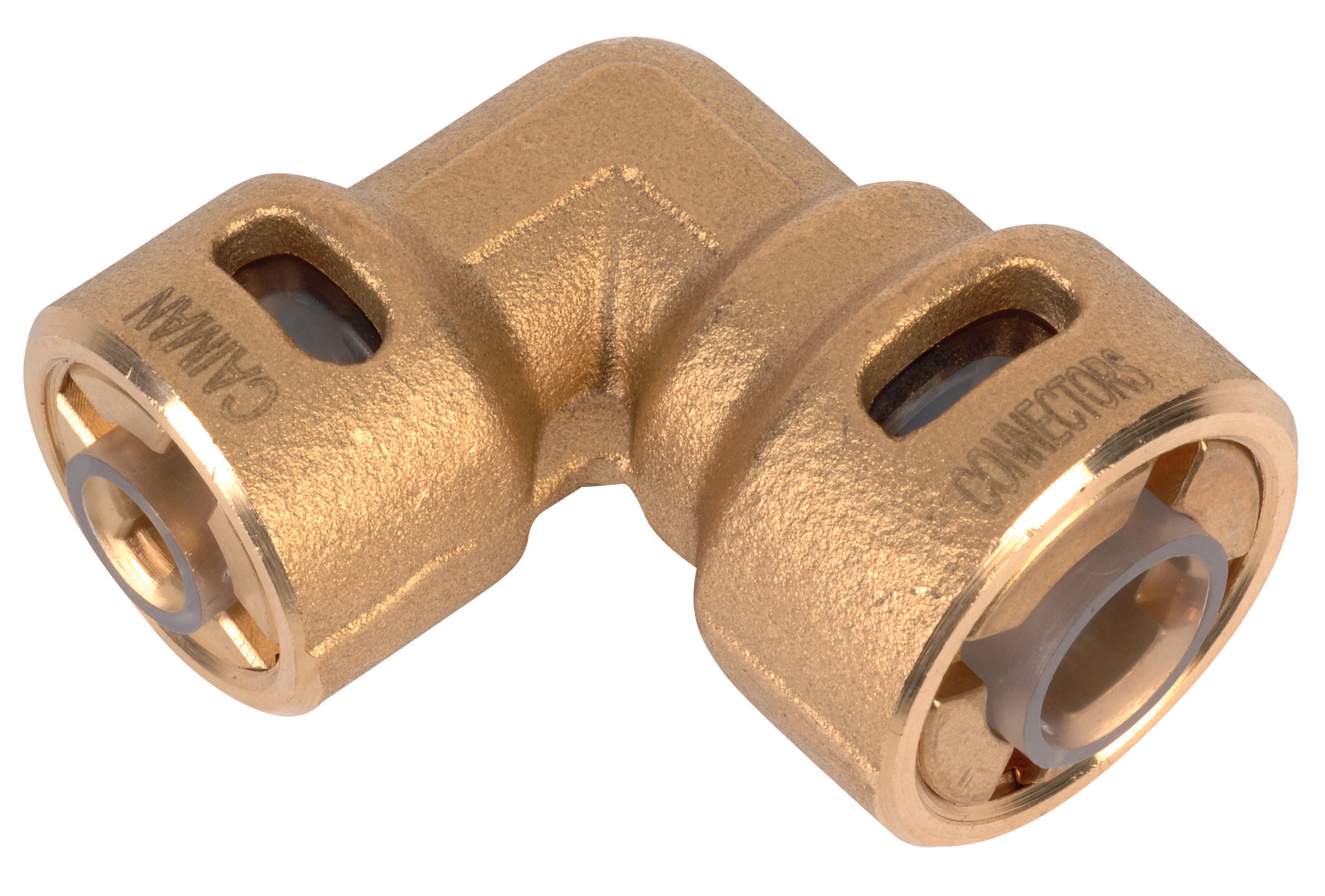
The difference between a well-integrated system and a poorly matched one often means the difference between 8-hour downtime and 3-hour repairs. This article examines how to strategically select the CBM Quick coupling 90° pressure reduction 1/4*3/8 alongside precision nozzles and robust mounting solutions to create flexible, maintainable systems.
Component Selection Strategy: From Quick Couplings to Pressure Reduction
The foundation of any flexible high-pressure system begins with quick couplings that can handle pressure transitions and system reconfigurations. The CBM Quick coupling 90° pressure reduction 1/4*3/8 serves multiple critical functions beyond simple connection:
Pressure Management and Safety: This 90° angled coupling incorporates pressure reduction from 1/4" to 3/8" sizing, allowing maintenance teams to step down pressure safely when transitioning between different equipment sections. This becomes essential in mixed-equipment environments where some machinery operates at different pressure ranges than others. Rather than replacing entire hose assemblies, teams can use these couplings at junction points to maintain system integrity while protecting downstream equipment from excessive pressure.
Space Optimization: The 90° angle design addresses a practical challenge in confined spaces—equipment bays, wall-mounted systems, and tight manufacturing layouts. Rather than wrestling with straight couplings that require additional hose runs, the angular design allows direct coupling attachment without awkward routing. This reduces pressure loss from excessive hose length and simplifies maintenance access.
Compatibility Layer: In facilities with legacy equipment and newer systems, quick couplings bridge generational gaps. Maintenance teams can maintain standardized quick-connect infrastructure while gradually upgrading to modern nozzle technology. This phased approach reduces capital expenditure while improving operational flexibility.
When integrated into a system strategy, quick couplings become more than connectors—they become pressure management points and flexibility anchors that enable maintenance teams to adapt systems without complete redesigns.
Nozzle Selection for Diverse Industry Applications
Spray nozzles represent the most critical performance component, yet maintenance teams often underestimate selection complexity. Three distinct nozzles in the CBM TEC lineup address different industry application requirements:
Light-Duty and Precision Applications: The CBM Flat jet nozzle HP 1/4"M BSPT index 055 angle 15° is engineered for lower-impact, precision cleaning and treatment applications. The index 055 rating indicates reduced flow and pressure output compared to heavier-duty alternatives. The 15° spray angle creates a concentrated jet pattern ideal for delicate surface work, interior cleaning, or applications where splash and overspray must be minimized—such as electronic equipment cleaning, food processing preparation surfaces, or pharmaceutical manufacturing environments.
This nozzle pairs effectively with the quick coupling pressure reduction component, as it naturally works at lower system pressures. Maintenance teams deploying this nozzle typically use it in secondary circuits where precise application matters more than throughput speed.
Medium-Duty Industrial Standard: The CBM Flat jet nozzle HP 1/4"M BSPT index 25 angle 15° represents the workhorse of general industrial applications. The index 25 rating provides balanced pressure and flow for standard surface cleaning, equipment maintenance, and routine facility washing. The 15° angle maintains directional control while delivering adequate impact force for removing accumulated buildup from manufacturing equipment, HVAC components, and mechanical systems.
This nozzle's versatility makes it the most commonly stocked component in maintenance inventories across multiple industries. Its compatibility with standard 1/4"M BSPT connections means integration with existing equipment infrastructure is straightforward, reducing installation complexity and training requirements.
Heavy-Duty and Wide-Coverage Applications: The CBM Flat jet nozzle HP 1/4"M BSPT index 50 angle 40° addresses high-impact cleaning and large-area treatment scenarios. The index 50 rating delivers maximum pressure and flow within this nozzle family, while the 40° spray angle dramatically increases coverage area. This combination proves essential for rapid facility-scale cleaning—warehouse floor preparation, exterior equipment washing, or high-volume surface treatment in agricultural and construction equipment maintenance.
The wider 40° angle increases overspray compared to precision nozzles, making this option unsuitable for confined spaces or sensitive equipment. However, in open-air or large-facility environments, the expanded coverage dramatically reduces application time and operator fatigue. The higher index rating requires more robust system infrastructure and appropriate hose sizing to prevent pressure loss.
Maintenance teams working across multiple facilities should standardize on at least two nozzle selections—the index 25 for general work and either the index 055 or 050 depending on whether precision or speed dominates their workload.
System Support Infrastructure and Mounting Strategy
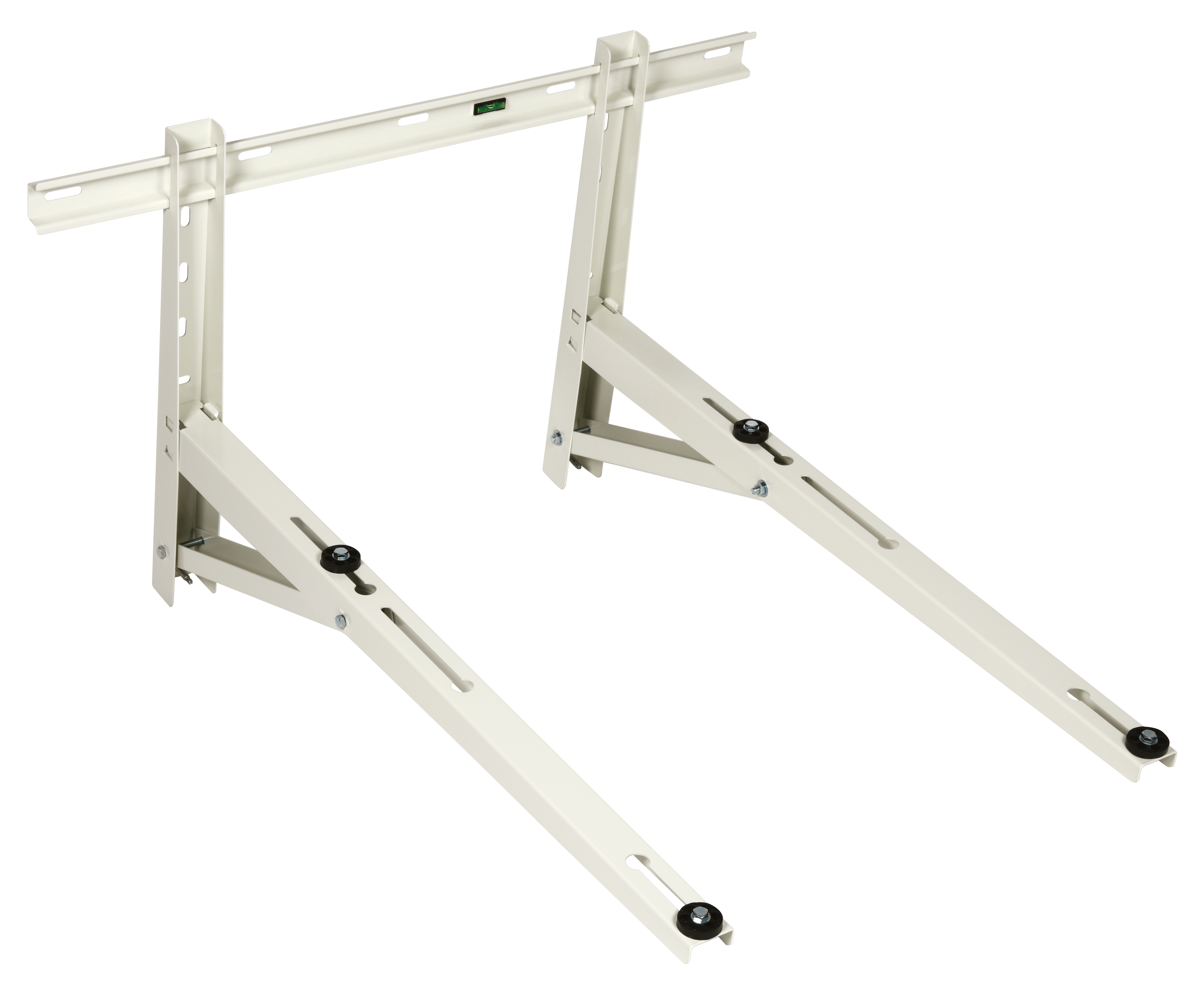
Often overlooked in equipment procurement, mounting systems fundamentally impact long-term maintenance accessibility and system reliability. The CBM Wall bracket 1000 exemplifies thoughtful mounting design:
Weight Capacity and Equipment Protection: The "1000" designation indicates load capacity—the ability to safely support permanent high-pressure equipment installations without stress-related failures. Facilities planning wall-mounted quick coupling stations, permanent nozzle holders, or fixed hose assemblies require brackets engineered for continuous stress. Undersized brackets create cascade failures: vibration leads to micro-fractures, connections loosen, pressure spikes occur, and equipment fails unpredictably.
Access and Maintenance Workflow: Wall-mounted systems position equipment at ergonomic working height, reducing operator strain during setup and changeover. Quick coupling stations mounted at shoulder height require less bending and twisting than ground-level installations. The supporting bracket design determines whether maintenance teams can access connection points quickly or must remove surrounding equipment first.
Facility-Wide Standardization: Using standardized brackets across multiple mounting locations simplifies spare parts inventory and reduces training requirements. A maintenance technician encountering a 1000-series bracket at any facility already understands weight capacity, mounting procedures, and connection points. This consistency accelerates troubleshooting and reduces response times during equipment failures.
Integrating the wall bracket into overall system design means planning equipment layout before installation rather than retrofitting brackets after problems emerge. A facility layout map showing all permanent high-pressure stations, their mounting brackets, connected couplings, and assigned nozzles becomes invaluable documentation for maintenance teams.
Practical Implementation: Building Integrated Systems
Successful implementation requires viewing these components not as individual products but as system building blocks:
Multi-Equipment Facilities: Larger operations might deploy CBM Quick coupling 90° pressure reduction 1/4*3/8 at primary distribution points, feeding multiple stations mounted with CBM Wall bracket 1000 units. Each station might standardize on the CBM Flat jet nozzle HP 1/4"M BSPT index 25 angle 15° with additional CBM Flat jet nozzle HP 1/4"M BSPT index 50 angle 40° nozzles stored for seasonal high-volume cleaning cycles.
Redundancy and Backup: Maintaining second-set nozzles for critical applications prevents extended downtime. If precision work depends on the index 055 nozzle and it fails, replacement should require only 10 minutes of component swapping. This demands pre-installed quick couplings and backup nozzles staged in maintenance inventory.
Documentation and Tracking: System integration fails without documentation. Maintenance teams should maintain records showing: equipment location, mounted bracket type, connected coupling model, primary and secondary nozzle assignments, pressure settings, and last maintenance date. This documentation becomes critical for troubleshooting recurring failures and planning preventive replacements.
With 35+ years of global equipment distribution experience, 3G Electric has witnessed how maintenance teams that implement systematic component integration achieve superior uptime and reduced operating costs compared to ad-hoc equipment selection approaches.
Global Application Variations and Considerations
Different geographic regions and industry sectors reveal distinct equipment preferences:
Asian Manufacturing Environments: Higher equipment density and tighter manufacturing layouts favor the 90° angle coupling design for space optimization. The quick coupling becomes more critical for rapid equipment rotation and cleaning between production cycles.
European Agricultural Applications: Larger open-air facilities typically deploy index 50 nozzles for rapid facility-scale cleaning. Wall brackets support permanent installation in equipment barns and processing areas.
North American Construction and Industrial Services: Mixed-equipment environments benefit from pressure reduction coupling technology, allowing single teams to maintain diverse equipment with different pressure requirements.
Maintenance teams should evaluate their specific application profile—production cycle speed, equipment variety, facility layout, and cleaning complexity—before finalizing component selections. This analysis typically reveals which nozzle indices dominate usage and which coupling configurations reduce bottlenecks.
Conclusion
High-pressure system selection for diverse industry applications succeeds when maintenance teams think beyond individual component specifications. The integration of quick couplings, precision nozzles, and robust mounting infrastructure creates flexible systems that adapt to changing facility needs while maintaining reliability and performance.
3G Electric's experience across 35+ years and thousands of global installations demonstrates that thoughtfully integrated systems—combining the CBM Quick coupling 90° pressure reduction 1/4*3/8, multiple nozzle options including the CBM Flat jet nozzle HP 1/4"M BSPT index 25 angle 15°, and proper mounting infrastructure like the CBM Wall bracket 1000—deliver superior long-term value compared to point-by-point purchasing decisions.
Maintenance teams prepared to evaluate their complete operational requirements and implement systematic component integration will find their equipment uptime improves, component failures decline, and technician productivity increases significantly.