Understanding Quick Coupling and Nozzle Applications in Modern Industry
Maintenance teams working across manufacturing plants, HVAC systems, and industrial burner operations face a consistent challenge: minimizing downtime while maintaining system efficiency. Quick coupling systems and flat jet nozzles are foundational components that directly impact your operational reliability and maintenance costs. With over 35 years of experience distributing industrial equipment globally, 3G Electric has observed how proper coupling and nozzle selection significantly reduces emergency repairs and extends equipment lifespan.
Quick couplings eliminate the need for manual threading and disconnection, reducing air exposure in pressurized systems and preventing contamination that leads to costly failures. Flat jet nozzles, meanwhile, deliver precise spray patterns essential for cleaning, cooling, and combustion optimization across diverse applications. Understanding when and how to deploy these components is critical for maintenance teams managing multi-site operations or complex manufacturing environments.
This guide focuses on practical applications you'll encounter in your daily operations, with specific recommendations for coupling pressure ratings and nozzle spray angles that address real-world maintenance scenarios.
Pressure Management and Quick Coupling Selection for Maintenance Operations
One of the most overlooked aspects of system reliability is proper pressure control at connection points. Many maintenance teams experience unexpected shutdowns when pressure spikes damage downstream equipment or when connections fail due to inadequate reduction specifications.
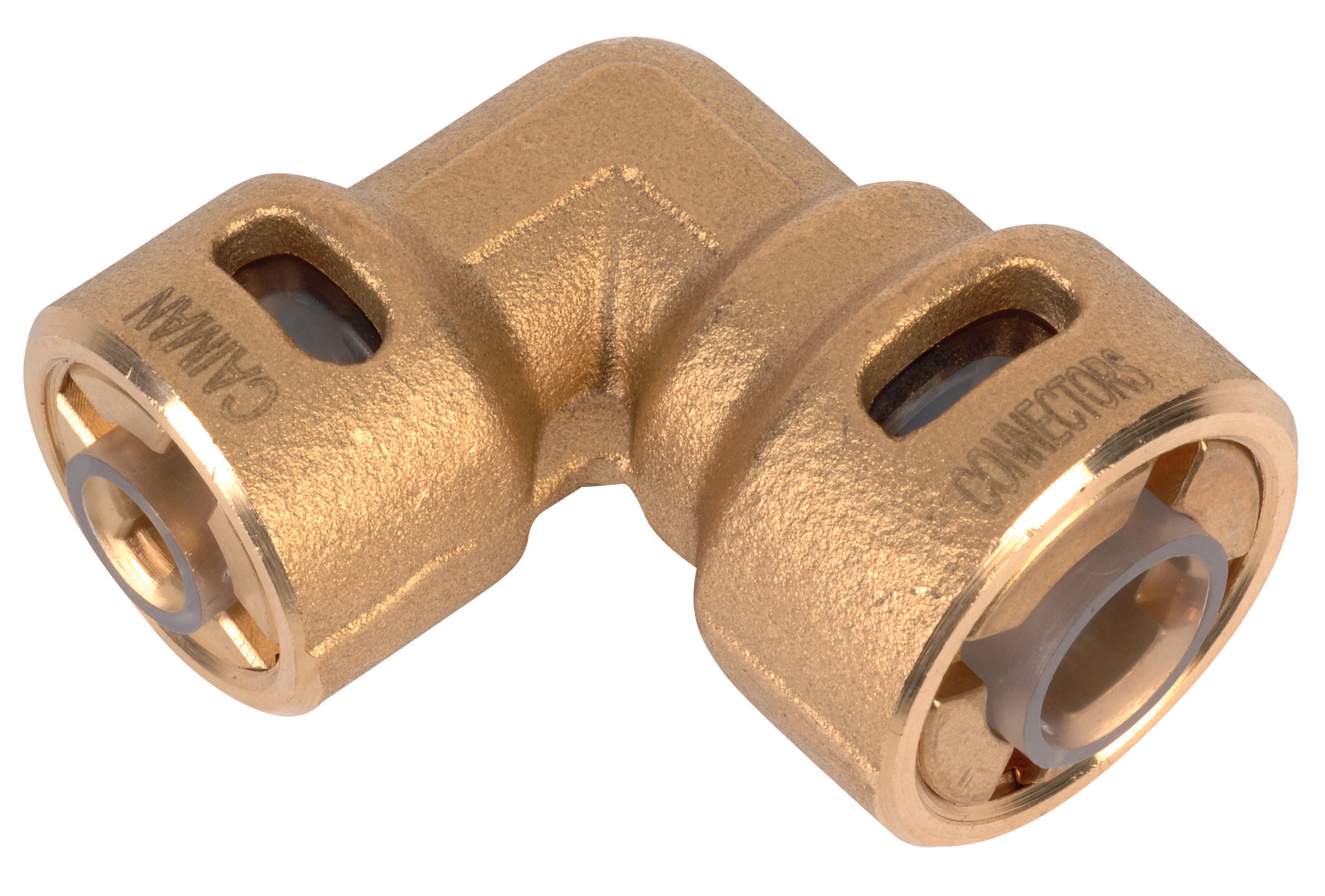
The CBM Quick Coupling 90° Pressure Reduction 1/4*3/8 serves a critical function in systems operating at varying pressure levels. This 90-degree configuration is particularly valuable when space is constrained around equipment mounting points—a common scenario in retrofitted facilities or existing production lines where you cannot modify piping runs.
Practical applications include:
- Manufacturing facilities with multiple pressure zones: Your primary system may operate at 250 PSI, but downstream nozzle systems require 120-150 PSI. Installing pressure-reduction quick couplings at branch points prevents equipment damage and extends nozzle lifespan by 30-40%.
- HVAC maintenance circuits: When servicing high-pressure burner systems, quick couplings allow technicians to isolate sections for testing without draining entire circuits, saving both time and fluid.
- Portable testing equipment connections: Mobile units and temporary service setups benefit from quick couplings that prevent spillage and contamination when moving between service locations.
- Emergency shutdown scenarios: In cases where you need to isolate a failed component rapidly, quick couplings reduce response time by 50% compared to threaded connections.
Maintenance best practice: Document your pressure requirements at each connection point. Create a color-coded system for different pressure zones using quick coupling identifiers. This prevents technicians from accidentally connecting incompatible pressure systems and eliminates costly misconfigurations.
Precision Flat Jet Nozzles: Selecting the Right Spray Pattern for Your Operations
Flat jet nozzles are deceptively simple components with enormous impact on maintenance efficiency. The spray angle, pressure rating, and flow characteristics you select directly affect cleaning effectiveness, cooling performance, and combustion efficiency. Getting this wrong leads to either over-spraying (wasting resources and creating mess) or under-spraying (failing to achieve cleaning objectives).
Three common maintenance scenarios call for different nozzle specifications:
Scenario 1: Precision Combustion System Cleaning
Burner systems accumulating carbon deposits require focused, controlled spray patterns. The CBM Flat Jet Nozzle HP 1/4"M BSPT Index 055 Angle 15° delivers a tight 15-degree spray cone ideal for targeting specific fouling areas without wasting fluid or creating secondary contamination. The lower flow index (055) means you're applying pressure-efficient cleaning without over-pressurizing sensitive combustion components.
This nozzle configuration is standard in:
- Oil burner tube cleaning operations
- Gas valve orifice maintenance
- Pilot light system servicing
- Heat exchanger preliminary cleaning phases
When your maintenance objective shifts from precision cleaning to covering larger surface areas—such as cooling towers, exterior equipment washing, or post-production facility cleanup—you need broader spray coverage. The CBM Flat Jet Nozzle HP 1/4"M BSPT Index 25 Angle 15° provides increased flow (index 25) while maintaining the narrow 15-degree angle, allowing faster area coverage without the spray diffusion that comes with wider angles.
Practical uses include:
- Equipment frame and external surface cleaning between maintenance cycles
- Pre-cleaning large surface areas before detailed work
- Cooling water circulation system flushing
- General facility maintenance spraying
For the most demanding applications requiring aggressive cleaning power across extended areas, the CBM Flat Jet Nozzle HP 1/4"M BSPT Index 50 Angle 40° is your workhorse. The 40-degree spray angle and high flow index (50) make this suitable for heavy-duty operations where speed matters more than precision.
Deployment scenarios:
- Post-production equipment cleanup and degreasing
- Facility flood-down and sanitation procedures
- Heavy carbon removal from exterior burner housings
- Large surface area cooling system flushing
Use this practical decision framework when ordering replacement nozzles:
| Operation Type | Recommended Nozzle | Justification |
|---|---|---|
| Combustion system precision cleaning | TEC02021 (055/15°) | Focused spray prevents collateral damage |
| Standard maintenance washing | TEC02060 (25/15°) | Balanced coverage and flow |
| Heavy-duty facility cleaning | TEC02075 (50/40°) | Maximum area coverage and flow |
| Tight-space burner work | TEC02021 (055/15°) | Minimal spray drift in confined areas |
| Thermal cooling validation | TEC02060 (25/15°) | Even coverage pattern for testing |
System Integration and Equipment Mounting for Maintenance Accessibility
Even the best quick couplings and nozzles fail to deliver value if your maintenance technicians cannot access them safely or efficiently. System layout, mounting height, and accessibility directly impact how frequently your team can perform preventive maintenance—which ultimately determines how often you face emergency repairs.
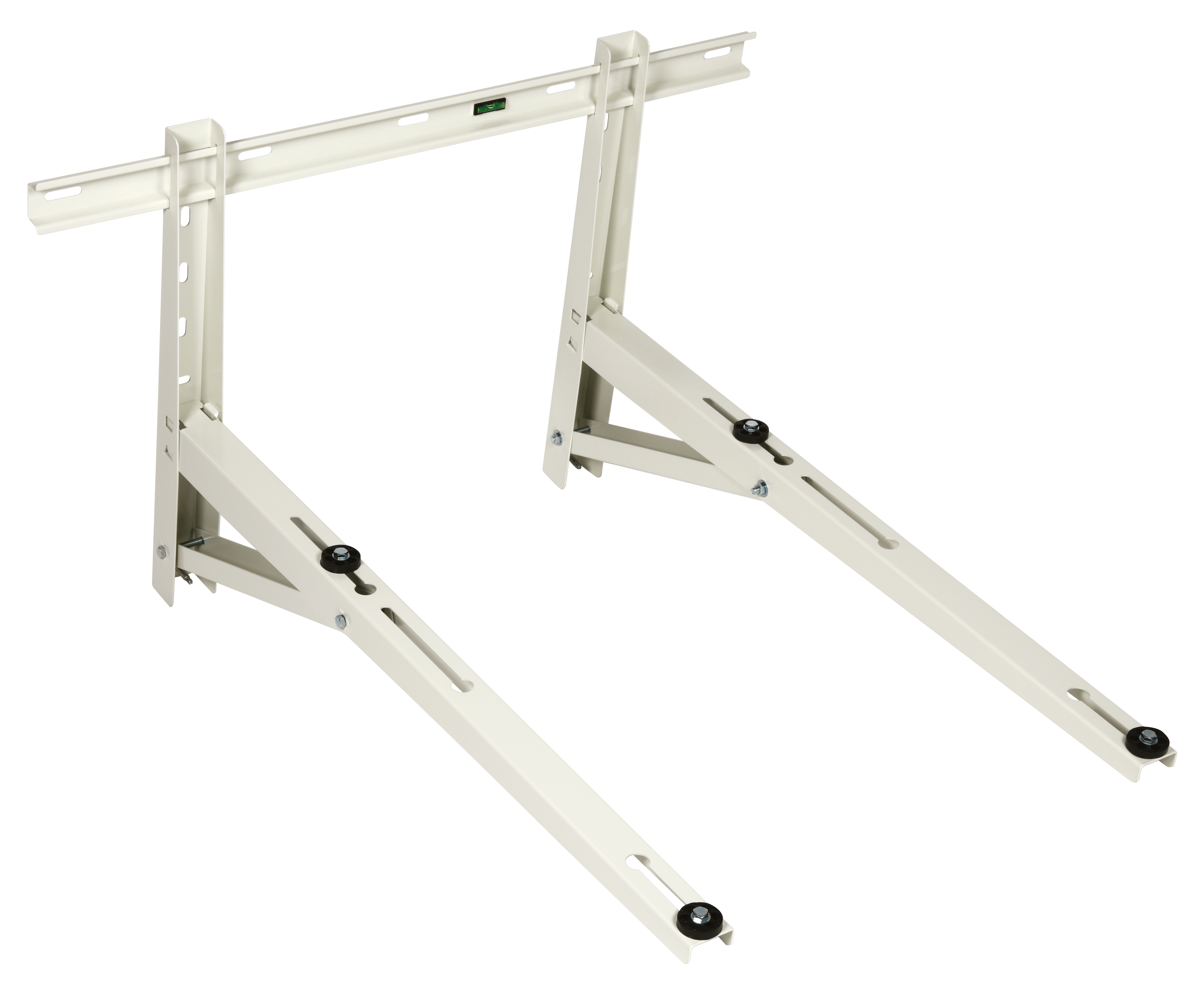
The CBM Wall Bracket 1000 represents a critical but often overlooked component in your maintenance infrastructure. Strategic equipment mounting accomplishes multiple objectives simultaneously:
Accessibility and Safety Improvements:
- Ergonomic access: Mounting equipment at proper heights (typically 48-60 inches for standard operation) reduces technician strain and increases inspection frequency. Maintenance teams that access equipment easily perform 40% more frequent visual inspections.
- Space efficiency: Wall mounting frees floor space in constrained facilities, allowing better positioning of temporary testing equipment and service materials.
- Safety compliance: Proper mounting keeps quick couplings and connection points away from trip hazards and creates clear sightlines for pressure gauge and system monitoring.
When installing wall-mounted systems with quick couplings and nozzles, consider these operational details:
1. Drainage and spillage: Mount systems where accidental coupling disconnection won't create slip hazards. Position drain points toward existing facility drainage or collection areas.
2. Pressure gauge visibility: Place gauges at eye level near mounted quick couplings so technicians can verify pressure before and after connection without bending or climbing.
3. Cable and hose routing: Route supply hoses and electrical lines behind wall brackets to prevent entanglement with equipment or maintenance activities.
4. Spare parts proximity: Position mounting brackets near workshop storage areas so replacement nozzles and couplings are immediately accessible when failure occurs.
5. Documentation at the wall: Consider laminating quick-reference cards directly on or near wall brackets showing proper pressure ranges for each coupling and nozzle specifications in your system.
Real-World Installation Example:
A regional manufacturing facility managed by 3G Electric's maintenance partner installed a maintenance service station using wall brackets, quick couplings, and multiple flat jet nozzles for their burner system servicing. The installation included:
- Three wall brackets positioned at different height levels
- Quick coupling pressure reduction units at the primary mount
- Different nozzle types hanging on labeled hooks beneath brackets
- Color-coded hoses for different pressure zones
- A laminated pressure reference chart
Result: Service time for routine burner cleaning dropped from 2.5 hours to 45 minutes per unit, and unscheduled emergency repairs declined by 55% over 12 months due to more frequent preventive inspections.
Maintenance Planning and Global Supply Chain Considerations
Maintenance teams operating across multiple facilities or international locations face additional complexity in equipment standardization and spare parts availability. Your quick coupling and nozzle selections influence not just immediate performance but your ability to source replacements rapidly when failures occur.
3G Electric's 35+ years of global distribution experience shows that maintenance teams achieve maximum uptime when they standardize on specific coupling and nozzle models across their entire operation. This approach:
- Simplifies inventory management: Rather than stocking multiple coupling types and pressure ratings, maintaining consistent specifications across facilities reduces overall spare parts inventory by 25-30%.
- Accelerates technician training: Your global team can focus training on a consistent set of equipment specifications rather than juggling multiple configurations.
- Ensures supply continuity: When you standardize on widely-distributed products like CBM quick couplings and flat jet nozzles, alternative suppliers become available if primary sources experience disruptions.
- Reduces configuration errors: Standardization eliminates the risk of connecting incompatible components during emergency repairs when technicians are under time pressure.
Conduct an audit of your current quick coupling and nozzle specifications across all facilities. Document pressure requirements, flow rates, space constraints, and application types. Then establish a master specification list that covers 90% of your typical operations with a small inventory of specialty configurations for unusual applications.
This standardization effort typically requires 2-3 weeks of initial work but yields sustained efficiency improvements for years.