Understanding Measurement & Detection in HVAC Applications
Measurement & Detection in HVAC systems goes far beyond simple thermometer readings. Modern contractors need integrated approaches to monitor temperature differentials, pressure variations, and system efficiency in real-time. With over 35 years of experience in industrial equipment distribution, 3G Electric understands that accurate measurement directly impacts your credibility, warranty claims, and customer satisfaction.
When you're troubleshooting a malfunctioning heat pump or commissioning a new chiller system, the precision of your measurement tools determines whether you identify the root cause or chase symptoms. Temperature measurement errors of just 2-3°C can lead to incorrect diagnostics, unnecessary component replacements, and unhappy customers. Pressure measurement inaccuracies create compliance risks when working with refrigerant systems under EPA regulations.
The challenge for most HVAC contractors is choosing between multiple measurement platforms. Should you invest in analog thermometers for simplicity and reliability, or digital multimeters for faster readings and data logging? Should pressure gauges be manual or integrated into smart systems? This guide cuts through the confusion by comparing practical solutions for field technicians.
Comparing Temperature Measurement Solutions for HVAC Work
Analog Thermometers vs. Digital Alternatives
Analog thermometers remain the gold standard for many HVAC contractors because they require no batteries, provide instant visual feedback, and survive harsh job site conditions. However, they introduce reading errors from parallax angle, temperature lag from thermal inertia, and difficulty maintaining precise measurements during fast-moving diagnostics.
The CBM Axial Thermometer D65 (-40/+40°C with L5cm thermowell) represents the analog solution optimized for tight spaces common in HVAC work. Its 5cm insertion length fits direct immersion in refrigerant lines, water pipes, and air streams without requiring large access points. The axial design (bottom-mounted sensing element) allows you to read measurements while the thermometer stays fully inserted, eliminating withdrawal and reinsertion cycles that waste time and risk contamination.
Compare this with the CBM Green Vertical Thermometer D80 (-30/+50°C with L10cm thermowell), which serves larger diameter pipes and supply/return manifolds. The 10cm immersion length reaches the thermal center of larger piping systems, critical for accurate delta-T calculations on commercial chiller loops. The larger 80mm dial face reduces reading errors for contractors working in poor lighting conditions—a common reality in mechanical rooms and crawl spaces.
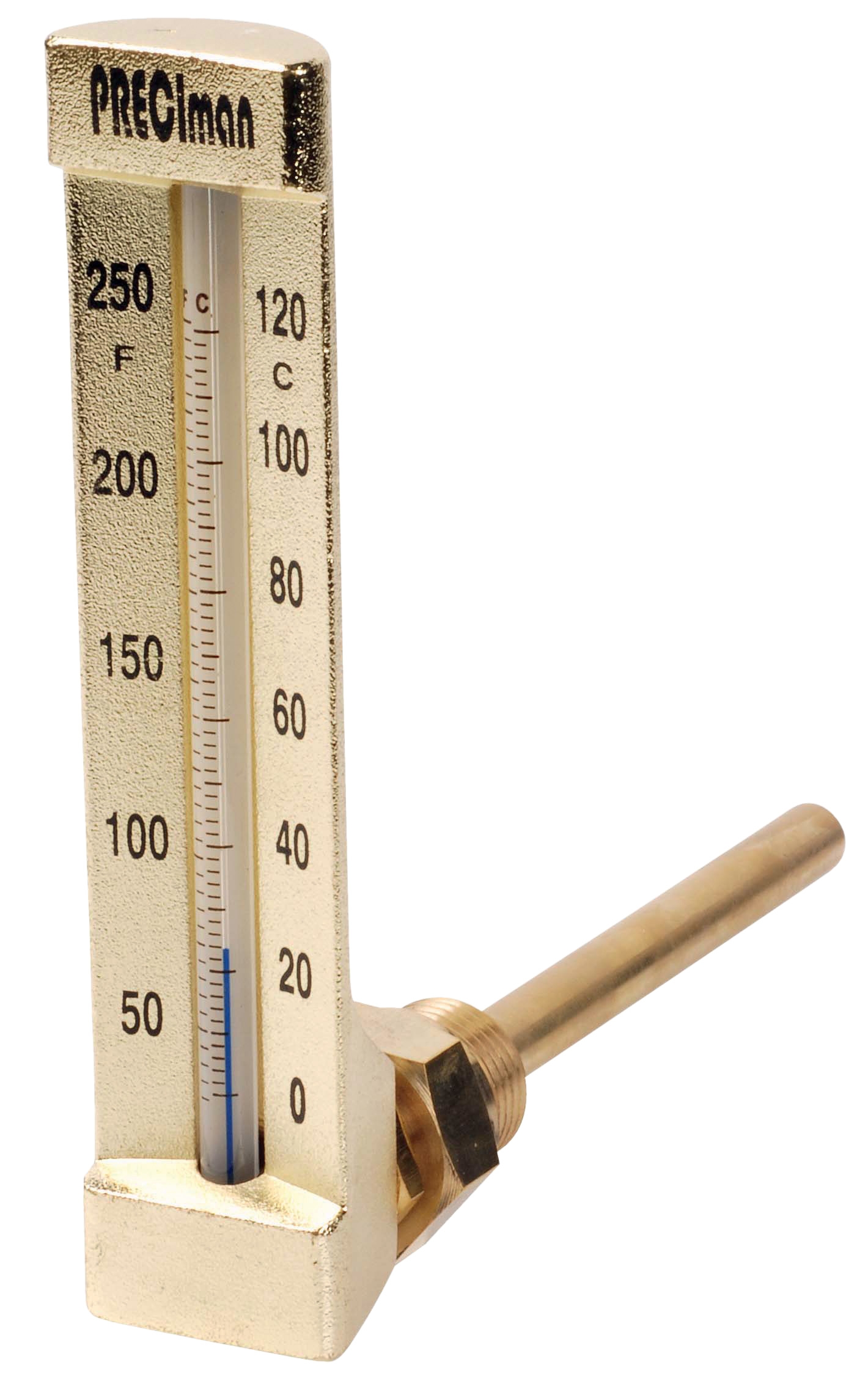
For quick spot checks on HVAC equipment surfaces, the CBM Industrial Thermometer (0/+50°C immersion with 63 right-angle mounting) offers a mounting flange that attaches permanently to equipment for continuous monitoring. This is particularly valuable for system startups where you need temperature trends over 2-3 hours rather than single-point readings.
Advantages of Analog HVAC Thermometers:
- No battery dependency on job sites
- Immediate visual feedback without digital latency
- Wide temperature ranges (-40 to +50°C) covering all HVAC scenarios
- Glass-filled cases withstand vibration and drops
- Lower cost per unit for tool fleet maintenance
- No calibration drift from electronics
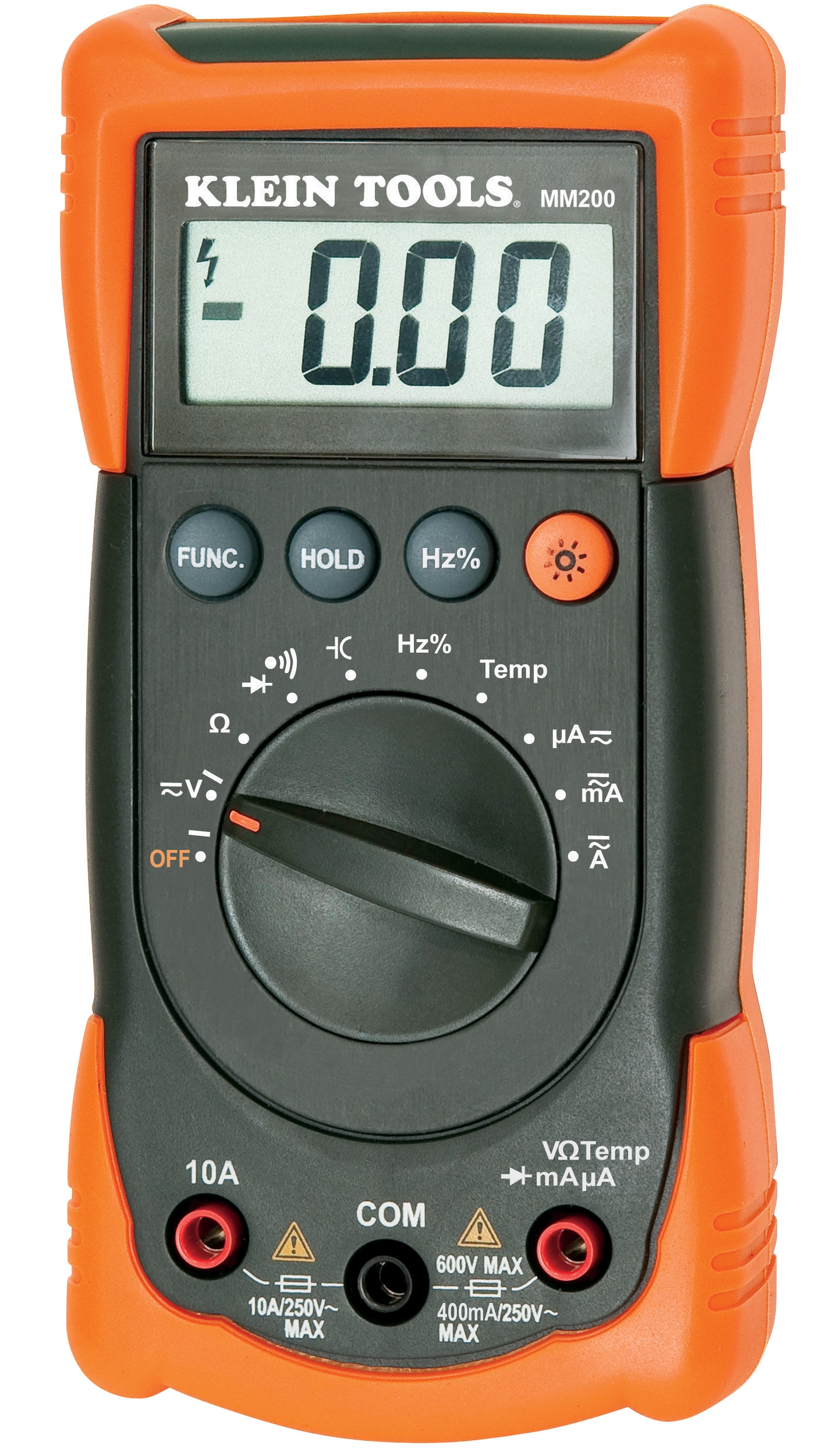
Digital multimeters like the CBM Automatic Multimeter MM420 complement analog tools by offering data logging and electrical system diagnostics. While temperature measurement via thermocouple accessories adds cost and complexity, the MM420's electrical diagnostics solve a real HVAC problem: verifying compressor motor windings, contactor operation, and blower motor functionality without carrying separate electrical test equipment.
For contractors managing multiple job sites or corporate fleets, digital tools create audit trails. If a customer disputes your diagnostic findings, the MM420's logged data proves what you measured and when—essential protection for high-value equipment claims.
Pressure Detection: The Critical Measurement HVAC Contractors Often Neglect
Temperature measurement gets attention, but pressure detection is where many contractors miss early warning signs of system degradation. Pressure trends reveal refrigerant line blockages, compressor wear, expansion valve issues, and oil-return problems 24-48 hours before temperature-based symptoms appear.
Expansion Tank Pressure Monitoring
For hydronic (water-based) HVAC systems—common in European, Asian, and commercial US markets—expansion tank precharge pressure is critical yet frequently overlooked. Over-pressurized expansion tanks cause excessive pressure relief valve discharge, wasting energy and creating nuisance maintenance calls. Under-pressurized tanks fail to accommodate thermal expansion, leading to pressure spikes that stress pump seals and heat exchanger connections.
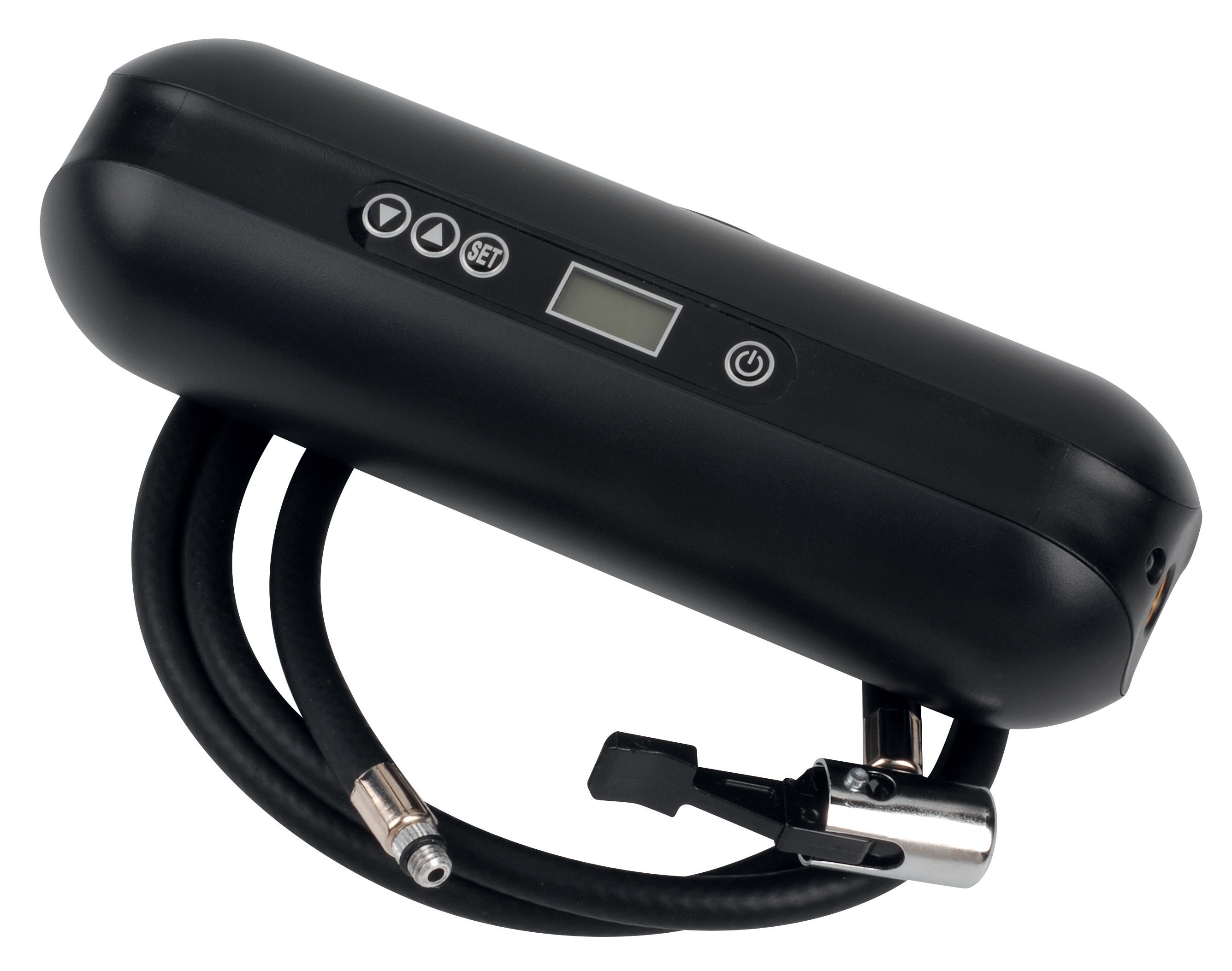
The CBM Expansion Tank Inflator Battery (2000 mAH) modernizes this routine maintenance task. Traditional pneumatic inflators require carrying compressed air cylinders and gauge regulators—additional weight and space in tool vans. This battery-powered inflator:
- Measures existing tank precharge pressure digitally (no parallax error)
- Adjusts pressure to manufacturer specifications with precision
- Stores inflation history electronically (proof of maintenance)
- Charges from standard USB, compatible with site power or vehicle charging
- Weighs 2.1 kg versus 8+ kg for pneumatic systems
For contractors managing 100+ residential installations annually, this efficiency gain translates to 4-6 billable hours saved per year—the inflator typically pays for itself in first-season service calls.
Pressure Detection in Refrigerant Systems
Refrigerant system diagnosis requires both suction and discharge pressure measurement, typically performed with dual-gauge manifold sets. However, these analog gauges introduce several contractor pain points:
1. Reading errors from vibrating compressors - The analog needle fluctuates ±3-5 psi during operation, making precise readings difficult
2. Temperature compensation complexity - Converting gauge pressure to absolute pressure requires mental math or reference charts
3. Slow diagnostic workflow - Recording gauge values, comparing to pressure-temperature charts, then formulating conclusions takes 10-15 minutes per system
While 3G Electric's current measurement portfolio focuses on thermometers and expansion tank tools, the operational pattern is clear: precise measurement accelerates diagnosis and reduces technician error. Contractors should treat pressure detection with the same rigor they apply to temperature measurement.
Integrating Measurement & Detection into HVAC Service Workflows
Commissioning New Systems
When installing new HVAC equipment, measurement & detection tools verify design intent:
1. Airflow temperature verification - Use the axial thermometer to measure supply and return air temperatures at multiple points, confirming delta-T matches design specifications (typically 15-17°C for cooling, 18-22°C for heating)
2. Hydronic loop commissioning - The vertical thermometer with 10cm insertion verifies supply/return temperatures match chiller output ratings, and the expansion tank inflator confirms proper precharge before system pressurization
3. Equipment performance baseline - Document startup temperatures and pressures as your baseline reference. When customers report "the system isn't as efficient as installation day," you have objective evidence to compare against
Preventive Maintenance Programs
Measurement & Detection creates the foundation for predictive maintenance:
- Monthly chiller loop checks - Compare delta-T against baseline to detect fouling or refrigerant degradation
- Seasonal expansion tank verification - Maintain proper precharge before heating season to prevent relief valve cycling
- Quarterly motor diagnostics - Use the multimeter's continuity and voltage functions to catch bearing wear before catastrophic failure
Contractors offering these data-backed maintenance packages command 15-25% premium rates because customers see objective performance trends, not just "your system needs service."
Compliance and Documentation
Regulatory bodies in most markets require pressure testing documentation for refrigerant systems. While digital multimeters don't replace specialized refrigerant scales or leak detectors, they document the electrical systems supporting those measurements. The MM420's data logging proves your diagnostic process met industry standards—critical protection if refrigerant systems require regulatory review.
Comparing Tool Investment Strategies for HVAC Contractors
Solo Contractor Economics
A single technician needs temperature measurement capability for every service call. The axial thermometer (ROS11002) at approximately $45-65 represents the minimum viable investment—reliable, field-proven, and requires no ongoing costs. Adding a vertical thermometer for larger systems (ROS15008) at $60-80 covers 95% of residential and small commercial work.
Total investment: $105-145 for instruments covering a full year of diagnoses on hundreds of jobs.
Growing Contractor Operations (5-20 Technicians)
As your team scales, standardization matters. Equipping each technician with identical thermometer sets reduces confusion and ensures consistent measurement practices. A 10-person team with duplicated tool sets invests $1,050-1,450, but gains:
- Consistent diagnostic standards across all technicians
- Ability to identify training gaps (if one tech's readings consistently differ from others)
- Emergency backup tools when field instruments break
- Economies of scale through 3G Electric's volume pricing
Adding the expansion tank inflator (MES20002) to your kit at approximately $280-350 enables profitable service visits that competitors ignore—many contractors don't offer expansion tank maintenance because they lack the proper tool.
Enterprise HVAC Operations
Large organizations (50+ technicians) should implement digital measurement with the Automatic Multimeter MM420 (approximately $480-620) as a replacement for traditional analog multimeters. While more expensive than individual thermometers, this single tool:
- Reduces toolkit complexity (one device instead of five)
- Enables data logging for compliance audits
- Covers electrical diagnostics (25-30% of HVAC service calls involve electrical system issues)
- Supports remote troubleshooting if photos of digital readouts are transmitted to senior technicians
Practical Field Tips: Getting Maximum Value from HVAC Measurement Tools
Thermometer Maintenance and Accuracy
Analog thermometers drift over time through thermal shock cycles. After 5 years of field service, expect ±1-2°C reading errors even with quality instruments. Many contractors don't replace thermometers because they "still read something," but this introduces systematic bias in your diagnostics.
Best practice: Replace core thermometers every 3-4 years, and keep the old ones as backup emergency tools. 3G Electric's 35+ years in equipment distribution reflects our commitment to durability, but even premium tools have service lives.
Temperature Measurement Technique
Touching a thermometer bulb with bare hands introduces 1-3°C reading errors that persist for 60+ seconds. Always use insulated gloves or allow 2-3 minutes for stabilization after insertion. For refrigerant lines, wrap the thermowell with pipe insulation for 90 seconds before reading to eliminate ambient air influence.
Pressure Detection in Seasonal Operations
Hydronic systems experience 20-40 psi pressure swings between heating and cooling season. The expansion tank inflator must be checked when the system is cold, typically in September (before heating season) and April (before cooling season). Contractors often skip spring checks because they're busy with startups—exactly when system faults are most expensive.
Schedule expansion tank maintenance as a separate service call, distinct from seasonal startups. This creates billable maintenance revenue and ensures thorough inspection.
Summary: Building a Measurement & Detection Strategy for Your HVAC Business
Measurement & Detection tools are not luxury items for HVAC contractors—they're the foundation of professional diagnostics. Whether you're a solo technician or a regional contractor, the right instruments for your business model deliver ROI through:
- Faster diagnostics reducing time spent per service call
- Accurate data protecting you from warranty disputes and regulatory challenges
- Customer confidence through objective measurement documentation
- Preventive maintenance revenue enabling predictive service programs
3G Electric's 35+ years of global equipment distribution experience shows us that successful contractors treat measurement tools as investments in reputation, not expenses to minimize. The temperature and pressure detection solutions available through our catalog—from analog thermometers through digital multimeters and expansion tank inflators—represent proven technologies trusted by thousands of technicians across dozens of countries.
Your next step: Audit your current measurement toolkit. Which systems do you diagnose with 100% confidence? Which require guesswork or repeated measurements? That gap identifies your highest-ROI investment opportunity. Contact 3G Electric's technical team to discuss contractor-specific purchasing programs and volume discounts for your growing operation.