Introduction: Why Maintenance & Service Matters for Industrial Heating Equipment
Industrial heating systems are the backbone of manufacturing, processing, and facility operations worldwide. Whether managing a single heating unit or an entire fleet of equipment, understanding Maintenance & Service protocols is essential for operational continuity and safety compliance. Drawing on 35+ years of experience as a global industrial equipment distributor, 3G Electric has witnessed firsthand how proactive maintenance prevents catastrophic failures that can halt production and compromise worker safety.
The difference between reactive repairs and preventive Maintenance & Service isn't just about budget—it's about reliability. Equipment that receives regular attention performs more efficiently, consumes less energy, and maintains better safety margins. For maintenance teams operating across multiple regions and climates, understanding region-specific maintenance requirements becomes even more critical. This guide provides actionable procedures for servicing the core components of industrial heating systems, ensuring your equipment operates at peak performance.
Section 1: Burner System Maintenance & Service Protocols
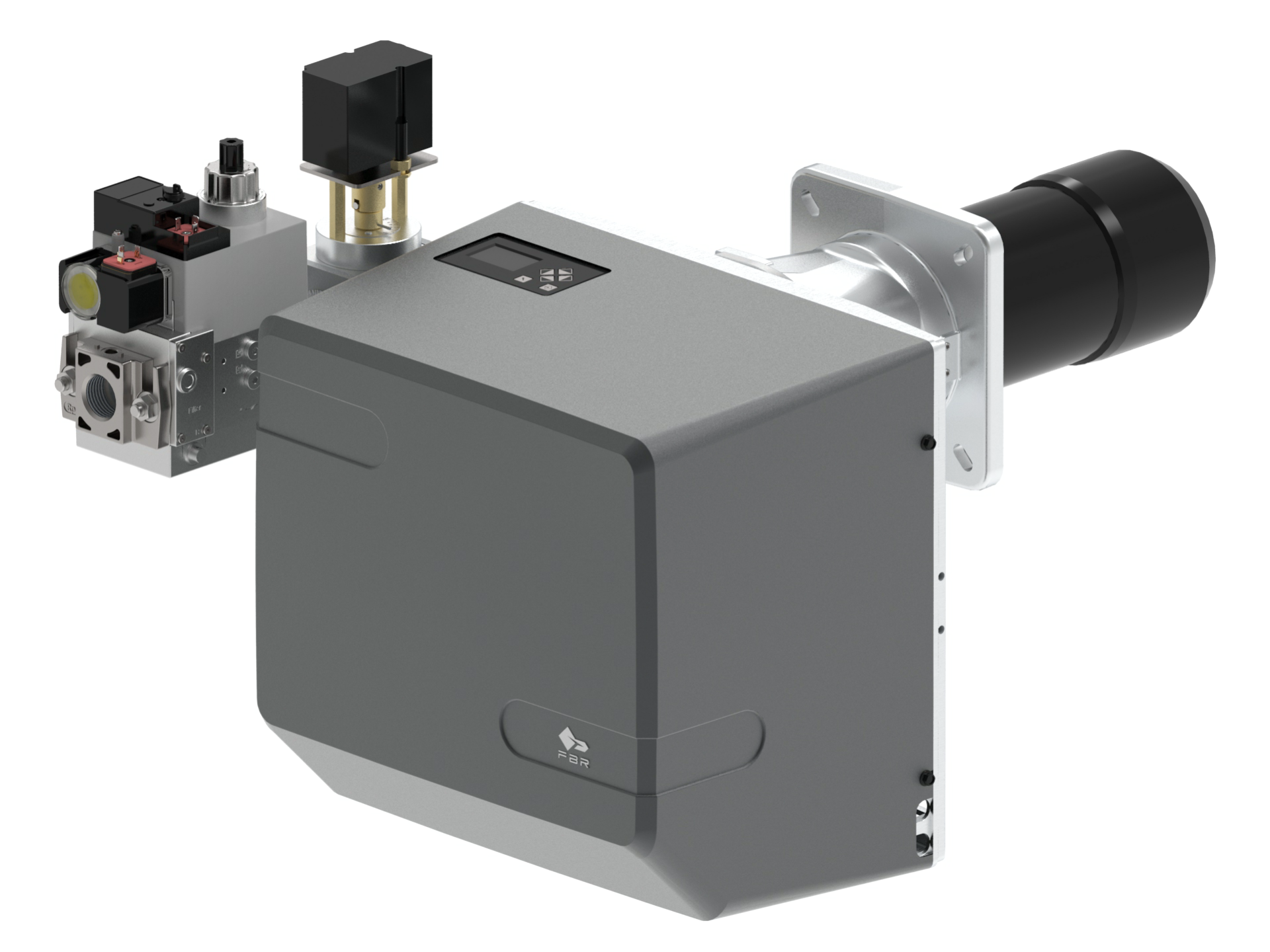
Gas burners are precision instruments that require systematic Maintenance & Service to function safely and efficiently. The FBR GAS X5/MF TL EL VC LPG burner represents modern modulating burner technology, and maintaining it properly extends its operational life significantly.
Monthly Inspection Procedures
Begin your Maintenance & Service routine with monthly visual inspections. Check the die-cast aluminum body for any visible cracks, corrosion, or carbon buildup. The fan assembly responsible for high pressurization should operate smoothly without unusual vibrations or noise. Listen carefully during startup—any grinding, squealing, or hesitation indicates immediate attention is needed.
Inspect all visible connections and seals for signs of gas leakage. Use a soap solution on suspected areas; bubbles indicate leaks requiring immediate remediation. For modulating burners equipped with optional control kits, verify that the PID modulation system responds correctly to load changes. Test the probe sensor by observing flame response to setpoint adjustments.
Quarterly Deep Cleaning & Service
Quarterly Maintenance & Service should include combustion chamber cleaning. Gas accumulation and carbon deposits restrict airflow and reduce efficiency. Using compressed air at moderate pressure (never exceeding manufacturer specifications), carefully clean the combustion chamber and fan intake. Remove any debris, dust, or carbon buildup that could impede operation.
For the fuel delivery system, check filter elements and replace them if restriction is evident. High-pressure components require particular attention—any corrosion or degradation in fuel lines can lead to pressure fluctuations that affect burner performance.
Annual Service and Certification
Annual Maintenance & Service should include professional inspection and testing. Verify combustion efficiency using appropriate testing equipment. Measure flame characteristics, verify ignition reliability, and test all safety interlocks. Document all findings—this creates a service history crucial for warranty claims and regulatory compliance.
Replace spark plugs or ignition electrodes annually, even if they appear functional. The cost of replacement is negligible compared to the risk of ignition failure during critical operation. Test the fuel pump pressure against manufacturer specifications; pressure deviation indicates seal wear or pump degradation.
Section 2: Fuel Delivery and Nozzle Maintenance & Service
Precision nozzles are critical components that directly affect combustion quality and efficiency. The flat jet nozzles like the CBM TEC 1/4" BSPT index 25 angle 15° nozzle and CBM TEC 1/4" BSPT index 055 angle 15° nozzle require specialized Maintenance & Service attention.
Nozzle Inspection and Cleaning
Monthly Maintenance & Service of nozzles includes visual inspection without removal. Look for fuel dripping, which indicates internal degradation. At quarterly intervals, remove and inspect nozzles carefully. Proper flat jet nozzle function depends on maintaining the precise spray pattern—any obstruction or carbon deposit changes atomization and combustion characteristics.
Clean nozzles using approved solvents only; never use wire brushes or abrasive tools that can damage the precision orifice. For contaminated fuel, flush the nozzle with solvent while holding it at the correct angle (15° as specified). Allow complete drying before reinstallation. The angle and index specifications are not arbitrary—they determine spray pattern and must be maintained exactly during reinstallation.
Fuel Quality Monitoring
Nozzle performance directly correlates with fuel quality. Implement monthly fuel testing that checks for water content, particulate contamination, and viscosity at operating temperature. Water in fuel is a common cause of nozzle clogging and corrosion. If water is detected, drain the fuel tank and refill with quality-tested fuel. For equipment operating in high-humidity environments, this testing becomes even more critical.
Maintain fuel tank cleanliness as part of your Maintenance & Service program. Every six months, inspect tank interiors for sediment accumulation. Use specialized tank cleaning equipment or engage professional tank cleaning services annually. A clean fuel supply eliminates 80% of nozzle-related maintenance issues.
Storage and Handling Procedures
Spare nozzles must be stored in sealed containers in a clean, dry environment. Humidity exposure causes surface oxidation that affects spray characteristics. Maintain an inventory of critical nozzles (different indices and angles) to minimize downtime if replacement becomes necessary. Label storage containers with nozzle specifications and installation dates for proper rotation.
Section 3: Expansion Tank and Safety System Maintenance & Service
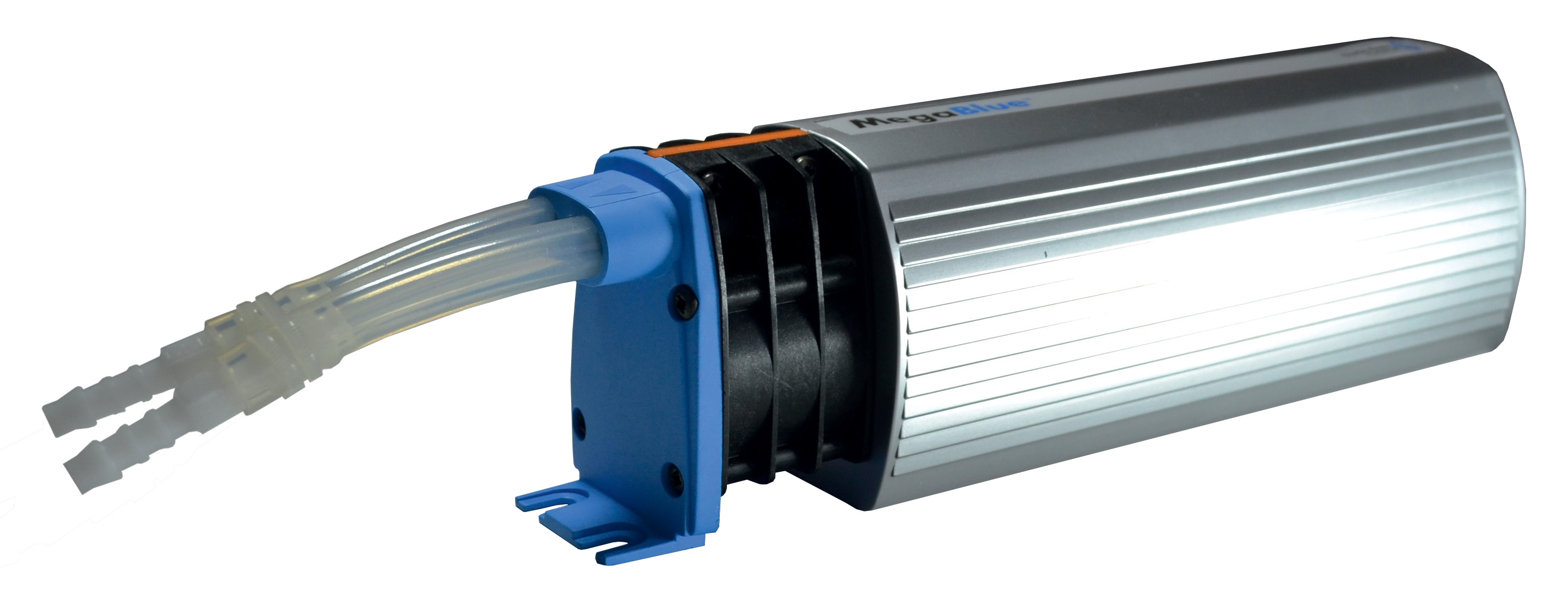
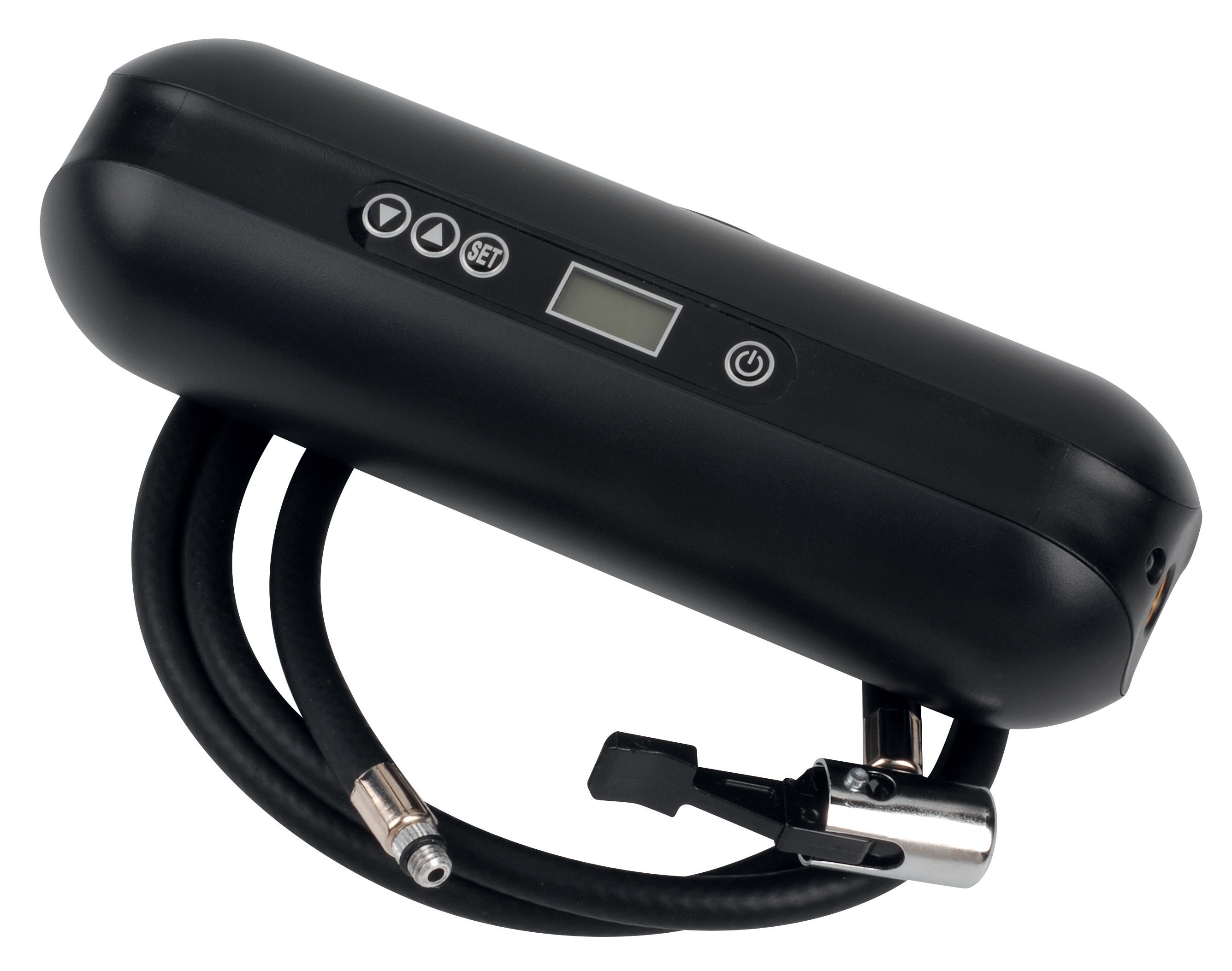
Expansion tanks and safety systems protect your heating system from pressure damage and ensure safe operation. The CBM MES expansion tank inflator battery 2000 mAH and CBM CLI Megablue reservoir alarm + shut-off system represent critical safety infrastructure requiring dedicated Maintenance & Service.
Expansion Tank Service Procedures
Expansion tanks maintain system pressure within safe operating ranges. Proper Maintenance & Service begins with understanding your system's pre-charge pressure—this is the nitrogen gas pressure with the system empty and cold. Monthly inspections should verify that the tank isn't leaking by checking for water seepage at the stem or body.
Quarterly Maintenance & Service includes checking the inflator battery charge level on equipment like the CBM MES battery-powered inflator. A properly maintained inflator ensures you can repressurize the tank to correct specifications without waiting for external service. Test the inflator monthly to verify it holds charge and operates reliably.
Annual Maintenance & Service requires professional pressure testing of the expansion tank. Tanks must be depressurized, drained, and tested for internal condition. If the tank no longer holds charge after proper testing procedures, replacement becomes necessary. Never attempt to weld or repair pressurized vessels—this creates catastrophic safety hazards.
Safety System Testing and Certification
The CBM CLI Megablue reservoir alarm and shut-off system provides dual protection—warning of pressure deviations and automatically shutting off fuel supply if unsafe conditions develop. Monthly Maintenance & Service includes testing the alarm to verify audible and visual warnings function correctly. Press the test button; if no alarm sounds, investigate the battery and electrical connections immediately.
Quarterly testing should include shutdown valve operation. Manually trigger the shut-off mechanism and verify it stops fuel flow completely. This should be a smooth operation with no resistance or sticking. Any hesitation indicates the valve requires cleaning or replacement.
Semi-annual Maintenance & Service requires disconnecting the safety system and testing it independently using appropriate test equipment. Verify setpoint accuracy against system specifications—safety margins are not negotiable. Document all testing with dates, results, and technician signatures. This documentation proves compliance with regulatory requirements and protects your organization legally.
Integration Testing
Don't test safety systems in isolation. Quarterly Maintenance & Service should include integrated testing where the entire safety chain—from pressure sensors through alarm systems to shutdown valves—functions together. Simulate overpressure conditions and verify the complete chain responds appropriately. This integrated testing reveals electrical connection issues or signal processing problems that component testing alone might miss.
Section 4: Documentation, Training, and Continuous Improvement
Maintenance Records and Compliance
Systematic Maintenance & Service requires meticulous documentation. Establish a maintenance log for every equipment unit that records:
- Inspection dates and findings
- Service procedures performed and materials used
- Test results with dates and measured values
- Parts replaced with part numbers and serial numbers
- Technician names and certifications
- Downtime hours and production impact
This documentation serves multiple purposes. It demonstrates regulatory compliance, supports warranty claims, provides data for predicting component lifespan, and helps identify patterns requiring design changes. Digital maintenance management systems offer advantages over paper logs, including automated reminders, searchable records, and trend analysis.
Team Training and Skill Development
Equipment maintenance quality depends directly on technician expertise. Develop training programs that cover:
- Safe operation of pressurized systems
- Proper use of specialized tools and test equipment
- Troubleshooting diagnostic procedures
- Safety protocols and emergency response
- Documentation requirements and regulatory compliance
Partner with equipment manufacturers like 3G Electric—our 35+ years of industry experience means we offer technical training resources, documentation, and consultation for complex maintenance situations. Regular training updates ensure your team stays current with equipment evolution and best practices.
Scheduling and Resource Planning
Effective Maintenance & Service requires planning. Develop an annual maintenance calendar that coordinates monthly, quarterly, and annual procedures. Schedule major service during production downtime when possible. Maintain spare parts inventory for critical components, ensuring repairs don't require extended lead times. For equipment operating 24/7, plan maintenance during shift changes or planned shutdowns.
Allocate adequate labor resources. Rushing maintenance procedures leads to incomplete work and missed problems. A single technician rushing through a quarterly inspection often overlooks critical issues that a two-person team conducting systematic procedures would identify. This upfront investment in proper maintenance reduces overall operational costs by preventing emergency repairs.
Conclusion: Long-Term Equipment Performance Through Preventive Maintenance & Service
Industrial heating systems represent significant capital investments. Whether managing equipment in North America, Europe, Asia, or other global regions, proper Maintenance & Service extends equipment lifespan, improves efficiency, ensures safety compliance, and reduces operational costs. The procedures outlined in this guide apply across regions, though local regulations and climate conditions may require adjustments.
At 3G Electric, we've supported maintenance teams worldwide for over 35 years. Our expertise encompasses equipment selection, installation, troubleshooting, and long-term support. When maintenance challenges exceed your internal capabilities, don't hesitate to engage professional technical support. The cost of expert consultation is minimal compared to the expense of equipment failure or safety incidents.
Implement these Maintenance & Service procedures systematically, document everything thoroughly, train your team comprehensively, and continuously refine your approach based on experience. This disciplined approach to maintenance transforms it from a necessary expense into a strategic advantage that keeps operations running smoothly, safely, and cost-effectively.