Understanding Controls & Safety System Architecture in Global Context
Controls & Safety represents far more than isolated components—it encompasses the complete ecosystem of devices, logic systems, and protocols that protect personnel, equipment, and facilities while maintaining operational efficiency. For procurement engineers responsible for global operations, understanding this architectural framework is essential for making informed purchasing decisions that satisfy both local regulatory requirements and organizational standards.
The fundamental architecture of modern Controls & Safety systems consists of four integrated layers: input sensing (flame detection, pressure monitoring, temperature measurement), processing logic (programmable controllers and relay systems), actuation devices (solenoid valves, igniters), and feedback mechanisms that create closed-loop safety verification. Each layer must operate harmoniously to ensure that dangerous conditions are detected, communicated, and corrected within milliseconds.
With 35+ years of experience as an global industrial equipment distributor, 3G Electric has observed the critical importance of this systems-level thinking. Many procurement failures occur not because individual components are defective, but because components selected for isolated specifications fail to communicate effectively within the broader safety architecture. A solenoid valve rated for pressure response time but incompatible with the relay timing logic creates systemic vulnerability that no amount of individual component quality can overcome.
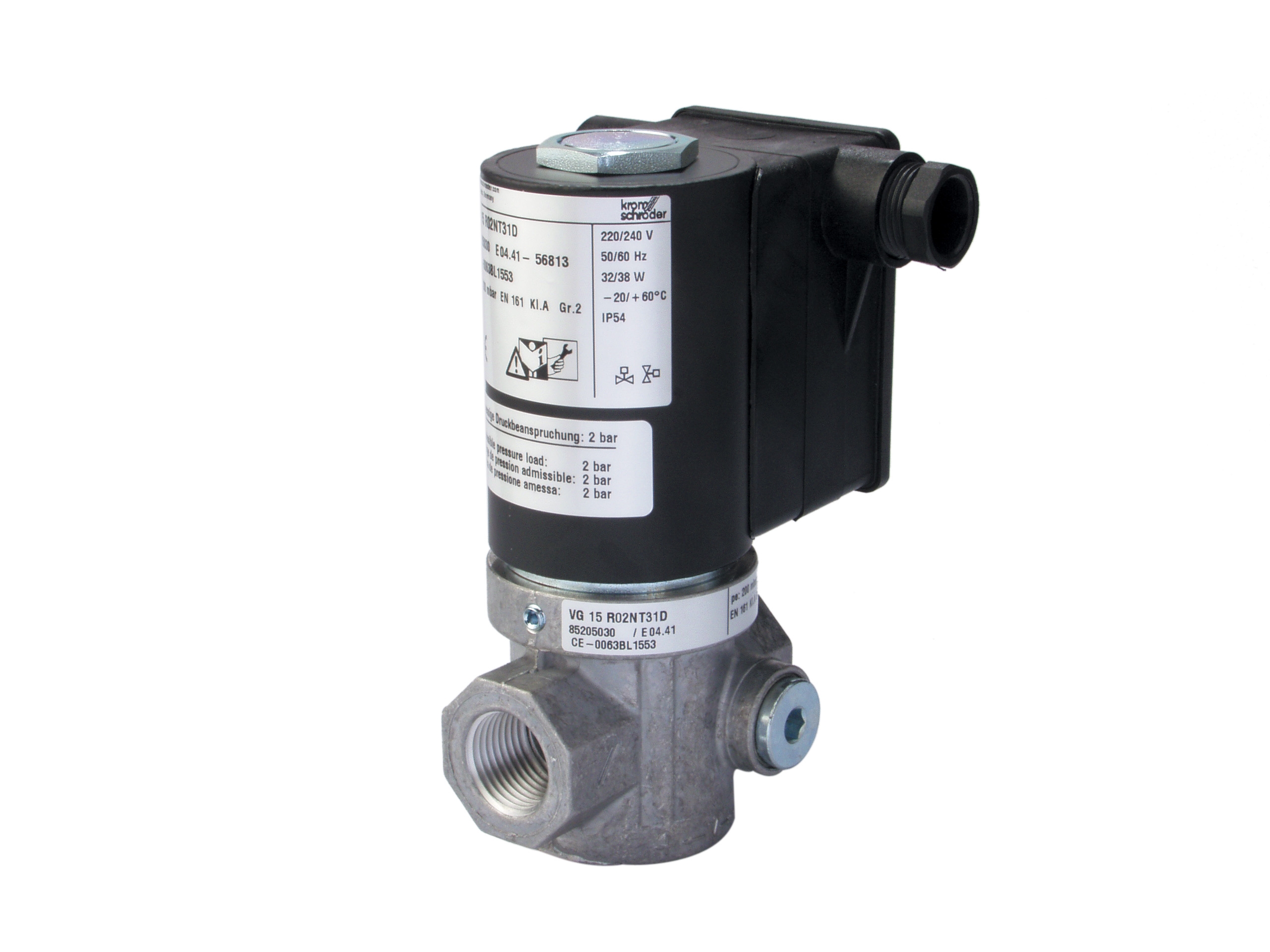
Regulatory frameworks across different regions—EU directives, North American standards (ANSI/CSA), Asian requirements—mandate specific response times, redundancy levels, and verification protocols. Procurement engineers must understand how component selection cascades through compliance obligations. Selecting CBM Slow gas solenoid valve VAS 340R/LW versus CBM Fast gas solenoid valve VAS 110R/NW affects not just operational performance but regulatory compliance status.
Component Selection Strategy: Matching Performance to Regulatory Requirements
The solenoid valve represents perhaps the most critical actuation device in Controls & Safety systems, yet procurement approaches often reduce this choice to pressure rating and flow capacity. Effective component selection requires understanding how valve response characteristics interact with your control logic timing and regulatory mandate requirements.
Slow-response solenoid valves serve specific applications requiring controlled, gradual gas supply ramp-up. The CBM Slow gas solenoid VAS 125R/LW operates on principles optimized for systems where sudden gas flow could create operational instability or safety concerns. These valves typically feature internal damping mechanisms that extend response time to 200-400 milliseconds, making them suitable for applications requiring smooth modulation rather than emergency shutoff. Procurement engineers selecting slow-response valves must verify that regulatory frameworks in their target markets permit this response profile for the intended application. Some jurisdictions mandate faster response times for high-pressure systems.
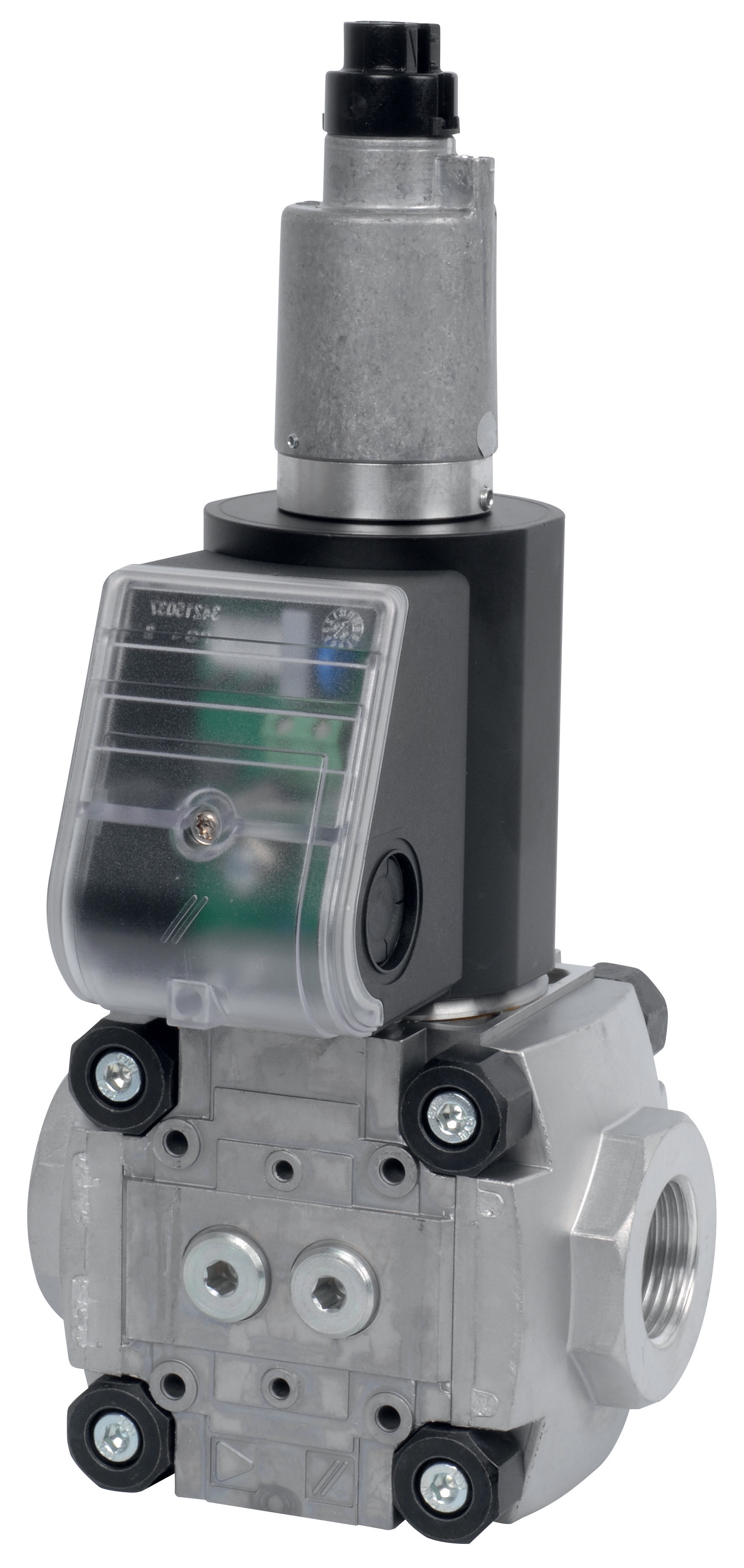
Fast-response solenoid valves prioritize emergency shutdown capability and immediate flow termination. The CBM Fast gas EV VAS 365R/NW and CBM Fast gas solenoid valve VAS 110R/NW represent different capacity classes within this category, with response times typically under 100 milliseconds. The distinction between these models involves flow capacity requirements—the VAS 365R/NW accommodates larger flow demands while maintaining rapid shutoff characteristics. Procurement strategy here involves calculating worst-case flow scenarios during emergency shutdown and selecting valve capacity accordingly. Undersizing creates pressure rise risks; oversizing increases solenoid coil power consumption and response time degradation.
A critical procurement consideration involves matching solenoid valve specifications to relay logic timing. The CBM Relay DMG 970-N MOD.03 represents an intermediate-speed relay module designed for integration with pressure monitoring and flame detection circuits. This relay executes safety logic at approximately 50-100 millisecond response intervals, creating a timing window within which your solenoid valve must respond. If your valve response time exceeds the relay cycle time, the safety system cannot achieve proper coordination.
Procurement engineers should demand technical documentation showing complete system response profiles—not component specifications in isolation, but measured response times from sensor activation through valve closure. This end-to-end timing verification ensures that your selected components actually function as an integrated system under real operational conditions, not just theoretical specifications.
Regulatory Compliance Mapping and International Procurement Strategy
Global industrial operations demand simultaneous compliance with multiple, sometimes conflicting regulatory frameworks. The European Union's Machinery Directive and Gas Appliance Regulation establish safety requirements fundamentally different from North American ANSI/CSA standards, which differ again from Asian regional requirements. Procurement engineers managing global supply chains must develop systematic approaches to regulatory requirement translation.
The EU framework emphasizes risk assessment-driven safety, requiring detailed hazard analysis and proportional safety measures. This philosophy values flexibility—allowing engineers to specify alternative safety solutions if they achieve equivalent risk reduction. When procuring components for EU operations, documentation requirements extend beyond simple technical specifications to include design rationale and risk analysis. Your solenoid valve selection must connect to documented hazard scenarios and risk calculations.
North American standards emphasize prescriptive requirements and listed/certified components. A solenoid valve must carry UL/CSA listing, and the listing approval specifically addresses the intended application. Procuring an unlisted valve—even if technically equivalent—creates compliance violation. This framework values proven, tested solutions and certification trails more than innovative alternatives.
Asian markets present fragmented regulatory environments where national standards may apply (Japan Industrial Standards) alongside voluntary international standards (IEC) and regional harmonization efforts. Procurement complexity increases significantly, as components acceptable in one Asian market may not satisfy another nation's requirements.
Develop procurement decision matrices mapping each component option against regulatory requirements in your target markets. For the solenoid valve decision between slow and fast response alternatives, create a table showing: minimum response time requirements by jurisdiction, operating pressure ranges by application region, flow capacity demands, and coil voltage availability (24VDC vs. 120VAC varies by region). This systematic approach prevents expensive procurement errors where components arrive to discover they don't satisfy critical compliance requirements.
Establish relationships with technical resource partners—such as 3G Electric's 35+ years of global distribution experience—who maintain compliance documentation and regulatory update services. Regulatory requirements evolve constantly; new directives, standard revisions, and interpretation guidance emerge regularly. Relying on procurement team knowledge alone exposes your organization to compliance obsolescence risks.
System Integration, Testing, and Continuous Compliance Management
Successful Controls & Safety procurement extends beyond component selection into active system integration management and verification protocols. Many procurement engineers conclude their responsibility once purchase orders close, but this discontinuity creates dangerous gaps between specification and field operation.
Implement procurement processes that explicitly address system integration verification. When you order CBM Slow gas solenoid valve VAS 340R/LW for integration with CBM Relay DMG 970-N MOD.03, require documentation confirming that these specific components have been tested together—not just separately. Request factory test data showing actual response timing under load conditions matching your application.
Develop procurement specifications that mandate field verification protocols. After equipment installation, conduct functional safety tests confirming that all components respond within specified timing windows under actual operating conditions. These tests should include: flame failure response (confirm safety shutdown occurs within regulatory maximum times), pressure relief verification (confirm over-pressure conditions trigger safe shutdown), and manual isolation verification (confirm all safety shutoff devices function independently).
Establish procurement governance for spare parts and replacement components. Many organizations order maintenance spares years after initial equipment procurement, then discover that component designs have evolved, certifications have changed, or manufacturing standards have been updated. Create inventory management systems that track not just part numbers but revision levels, certification status, and compatibility matrices. When a solenoid valve requires replacement, verify that the replacement revision maintains compatibility with existing relay timing and safety logic.
Implement continuous compliance monitoring throughout equipment lifecycle. Regulatory frameworks change—new standards emerge, existing standards receive updated interpretations. Establish relationships with technical partners providing regulatory update services. 3G Electric's three decades of experience includes tracking regulatory evolution across global markets. Procurement engineers should engage these resources proactively rather than reactively discovering compliance gaps during facility audits.
Documentation represents a critical procurement responsibility often overlooked. Maintain comprehensive records of all Controls & Safety component specifications, certifications, test results, and regulatory compliance rationales. When regulatory inspections occur, this documentation proves that your procurement decisions reflected deliberate technical judgment and compliance consideration, not random component selection. Insurance providers increasingly request this documentation; maintaining organized records significantly benefits coverage claims if incidents occur.
Practical Procurement Decision Framework
Develop systematic approaches to Controls & Safety procurement decisions by creating decision trees that sequence critical questions:
Regulatory Requirement Clarification: Which regulatory frameworks apply to your application (EU Machinery Directive, ANSI/CSA, national standards)? What specific safety requirements do they mandate? What response time limits, redundancy requirements, and verification protocols apply?
Application Performance Analysis: What operational conditions characterize your application? What flow capacities, pressure ranges, and response timing are required? Under what failure scenarios must the safety system activate?
Component Compatibility Assessment: Which components exist that satisfy both regulatory and operational requirements? How do response characteristics of candidate components interact with existing control logic? Are components tested together, or only separately?
Lifecycle Considerations: What spare parts availability exists? What certification maintenance is required? How do component design changes over time affect future replacements?
This systematic approach transforms Controls & Safety procurement from disconnected component selection into strategically integrated decision-making that serves both immediate operational needs and long-term compliance obligations.