Solenoid Valves vs. Safety Regulation Valves: Technical Selection Criteria for Global Industrial Gas Systems
Selecting the appropriate valve technology for industrial gas control systems requires understanding the fundamental differences between solenoid-operated valves and integrated safety regulation valves. Both technologies serve critical roles in gas delivery systems, but they address fundamentally different control requirements. For procurement engineers specifying equipment across global facilities, the decision between these two valve classes directly impacts system reliability, response time, pressure stability, and total cost of ownership. This article provides a technical framework for evaluating both technologies, comparing their performance characteristics, and identifying optimal application scenarios.
Core Valve Technologies: Solenoid vs. Safety Regulation Architecture
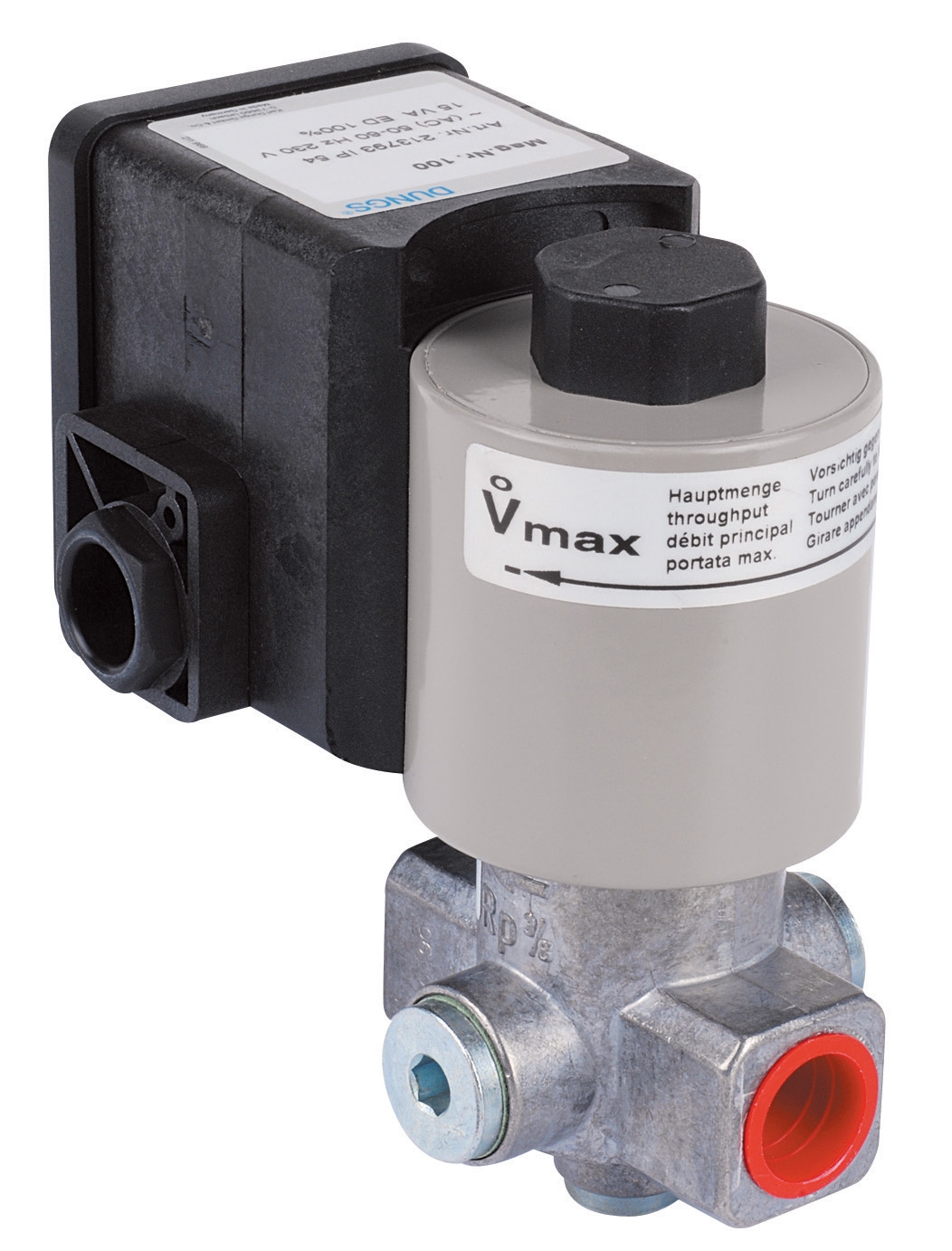
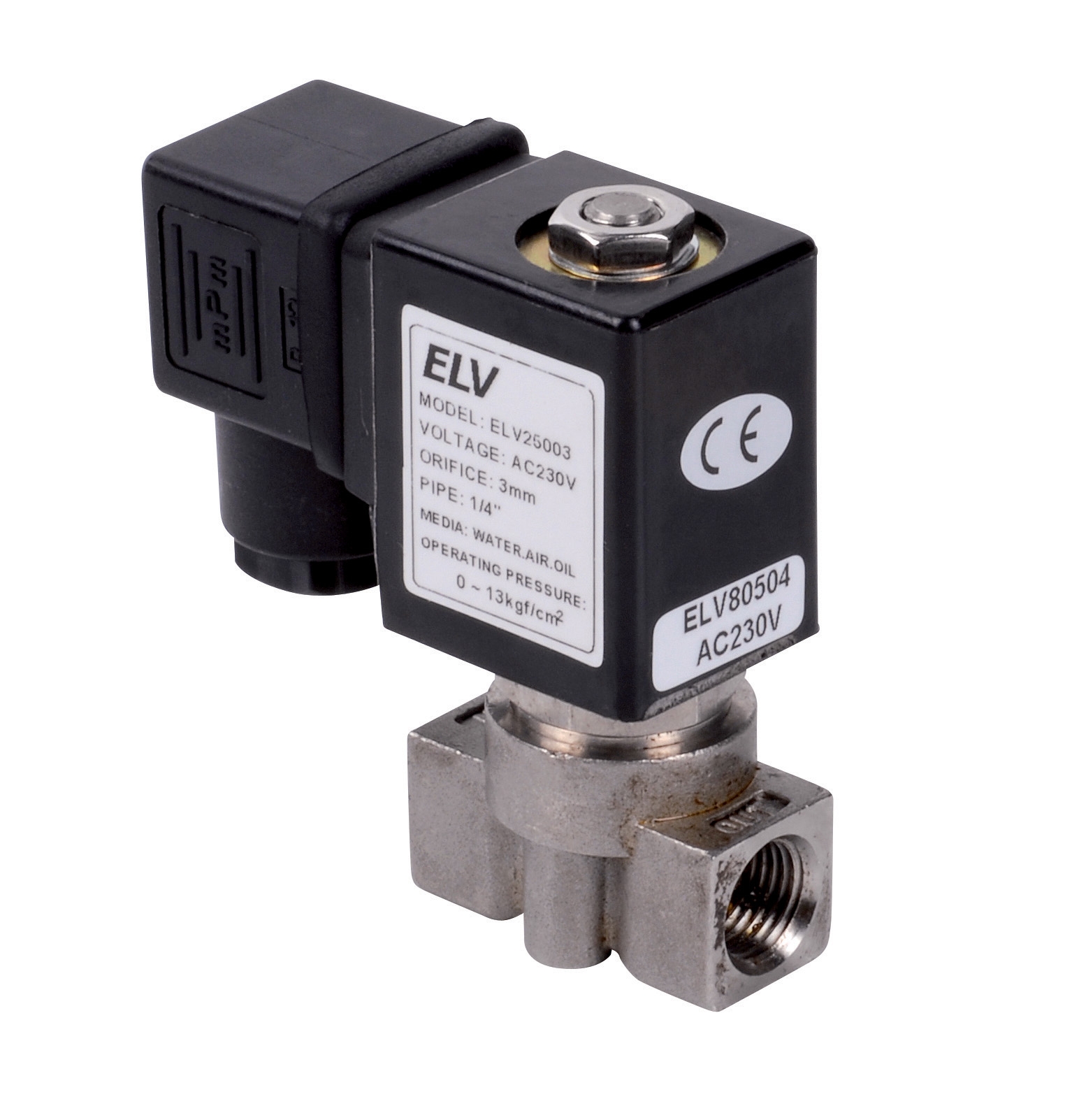
Solenoid valves operate through electromagnetic actuation—when voltage is applied to the solenoid coil, a magnetic field engages a plunger that opens or closes the valve seat. This direct-acting mechanism provides rapid on/off control, typically achieving full opening within milliseconds. Solenoid valves excel in applications requiring precise switching cycles, quick response to electrical signals, and compatibility with automated control systems and burner management systems (BMS).
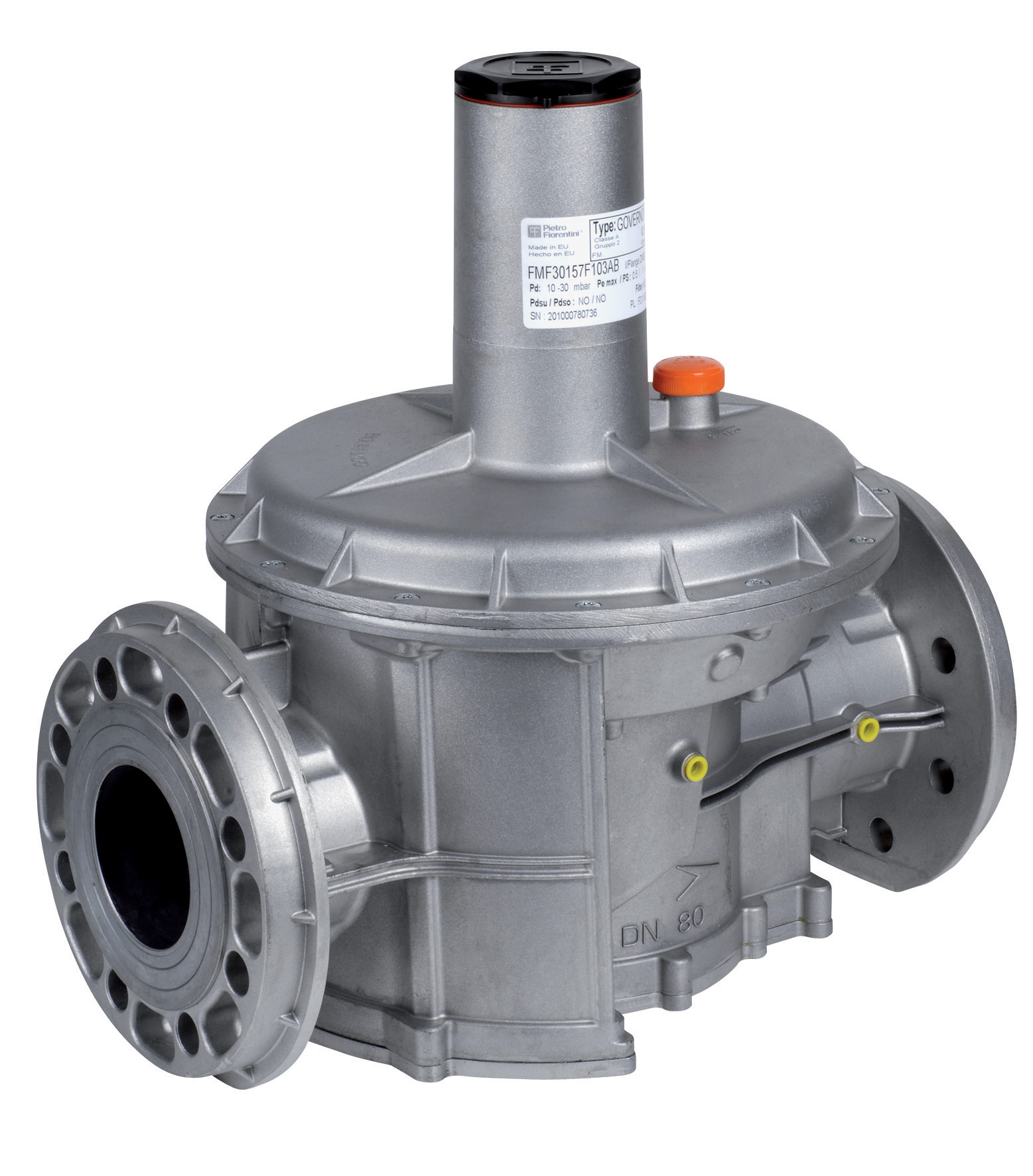
Safety regulation valves, by contrast, employ self-acting mechanical principles. These valves maintain stable outlet pressure through balanced obturator designs and safety diaphragms, responding to pressure fluctuations rather than electrical signals. They are designed to meet EN 161 safety standards for automatic gas shut-off applications, featuring inherent fail-safe characteristics. A safety regulation valve closes automatically if inlet pressure drops below minimum levels, providing protection without requiring electrical power or external pilot signals.
The architectural difference is significant: solenoid valves are control components that require external intelligence (a burner controller or PLC), while safety regulation valves are standalone protective devices that respond autonomously to pressure conditions. In many modern industrial gas systems, both technologies are deployed together—solenoid valves handle modulation and switching, while safety regulation valves provide upstream protection and pressure stabilization.
Operating pressure ranges differ considerably. Solenoid valves typically handle differential pressures from 0 bar (zero differential) to moderate ranges, while safety regulation valves often operate at higher absolute pressures (up to 200 bar or more in safety applications) with controlled outlet pressure drops. This distinction is critical when specifying components for high-pressure gas delivery systems common in industrial heating, burner control, and process gas applications across global manufacturing facilities.
Technical Performance Comparison: Specifications and Real-World Metrics
The CBM Bronze solenoid valve 3/4" 220V exemplifies compact solenoid valve design. Operating at 220V AC, it delivers a Cv value of 7.6 (flow capacity metric), accommodates differential pressures up to 10 bar, and consumes only 4.5 VA of power. Its bronze construction with Viton seals provides corrosion resistance suitable for diverse industrial gas environments. The 3/4" connection size (20 mm passage diameter) positions this model for medium-flow applications such as burner ignition systems, pilot gas supply, and auxiliary gas circuits.
For higher-pressure safety applications, the CBM MVD 5100/5 230V safety valve operates at substantially different parameters. With a maximum pressure rating of 200 bar and opening time under 1 second, this valve combines rapid response characteristics with robust pressure containment. Its 1 mm filter mesh removes particulate contamination, critical for protecting downstream burner components. Operating at 230V AC with 0.15 A current draw (25 VA), it maintains functionality across ambient temperatures from -15°C to +60°C—a wider operating range than typical solenoid valves, essential for global industrial facilities in diverse climates.
The CBM MBDLE 407 B01.S52 multifunctional gas block represents integrated architecture combining safety regulation, pressure control, filtration, and shut-off functionality in a single compact module. Operating at 220–230V AC (±15% to +10% tolerance), it features dual valve control with rapid closure and slow opening characteristics—a safety-optimized operating profile. The G 1/8 connection (DIN ISO 228) and CE0036 certification indicate compliance with European gas equipment directives, supporting procurement for global installations requiring standardized safety approvals.
For lower-pressure applications requiring direct-acting simplicity, the CBM Stainless solenoid valve 2" 230V accommodates multiple fluid types (air, water, fuel oil), operating pressure ranges from 0–10 bar for air and 0–5 bar for fuel, and fluid viscosity up to 20 CST. Its stainless steel construction provides corrosion resistance in humid or corrosive environments, making it suitable for coastal industrial facilities or chemically aggressive applications common in global petrochemical and food processing sectors.
Real-World Application Scenarios: When to Specify Each Technology
Solenoid Valve Applications: Specify solenoid valves for systems requiring rapid switching, BMS integration, and precise modulation. Industrial burner systems with electronic ignition and flame-monitoring sensors depend on solenoid valve responsiveness. Pilot gas supply circuits, where quick opening ensures reliable ignition and fast closing prevents gas accumulation during shutdown, are ideal solenoid valve territory. Multi-burner facilities with sequential or load-following operation require solenoid valves synchronized with control logic.
Safety Regulation Valve Applications: Deploy safety regulation valves as primary protective devices upstream of burner systems, especially where EN 161 compliance is mandated. Pressure stabilization applications—maintaining consistent outlet pressure despite fluctuating inlet conditions—are core safety regulation valve functions. Facilities without automated BMS or control systems often rely on safety regulation valves as standalone protective devices. High-pressure gas storage and delivery systems benefit from the inherent fail-safe design; a power loss or controller failure does not compromise safety.
Hybrid Deployments: Global industrial best practices increasingly employ both technologies. A typical configuration uses an upstream safety regulation valve for pressure stabilization and protection, followed by a solenoid valve for modulation and burner control. This architecture ensures that even if the solenoid valve fails or loses electrical power, the upstream safety regulator maintains passive protection. For mission-critical systems or high-reliability facilities, this redundancy justifies the additional component cost.
Technical Comparison Table
| Parameter | Solenoid Valves | Safety Regulation Valves |
|---|---|---|
| Operating Principle | Electromagnetic plunger actuation | Self-acting pressure response |
| Response Time | <100 ms (typically <50 ms) | <1 s (pressure-dependent) |
| Pressure Rating (Typical) | 0–16 bar differential | 0–200+ bar absolute |
| Electrical Requirement | AC or DC voltage (4.5–40 VA typical) | AC voltage (15–50 VA); some models passive |
| Control Integration | Requires external controller/BMS | Standalone; no external control needed |
| Fail-Safe Behavior | Power loss = open (gas flows) | Pressure loss = closed (gas blocked) |
| Pressure Stabilization | Modulates per control signal | Maintains outlet pressure autonomously |
| Safety Certification | EN 161 (with integrated safety block) | EN 161 inherent design |
| Typical Applications | Burner control, pilot gas, modulation | Upstream protection, pressure regulation |
| Filtration Typical | Integrated into solenoid cartridge | 1 mm mesh; often integrated module |
Selection Framework for Procurement Engineers
Evaluate these criteria when specifying valve technology for your facility:
1. System Architecture & Automation Level: If your facility operates burners with electronic controllers, flame sensors, or BMS integration, solenoid valves are essential. For simpler installations, particularly pilot light systems or legacy burners without control electronics, safety regulation valves may suffice as standalone components.
2. Pressure Profile: High-pressure gas delivery systems (above 10 bar) typically require safety regulation valves designed for those ratings. Medium-pressure distribution circuits (0–10 bar) work well with solenoid valves. Many global industrial facilities use a tiered approach: high-pressure regulators upstream, solenoid valves for distribution and burner control downstream.
3. Response Speed Requirements: Rapid ignition systems, load-following burners, or applications requiring sub-second gas modulation demand solenoid valve speed. Steady-state pilot light supply or constant-pressure circuits tolerate the slower response of self-acting regulators.
4. Redundancy & Safety Philosophy: Mission-critical installations justify dual-technology deployment: upstream safety regulation valve for passive protection, downstream solenoid valve for active control. This is increasingly common in global pharmaceutical, food processing, and chemical manufacturing where gas safety is non-negotiable.
5. Environmental Conditions: Coastal or chemically aggressive environments favor stainless steel solenoid valves. High-pressure, high-temperature applications benefit from robust safety regulation valve construction. Check ambient temperature ratings—some solenoid valves are limited to +60°C, while safety regulation valves often accommodate wider temperature ranges.
Global Sourcing & Compliance Considerations
When procuring gas valves for international operations, verify that components meet local safety standards. CE0036 certification (European gas equipment directive) is common for facility exports to Europe or facilities following European standards. 3G Electric maintains inventory of gas valves and regulation equipment meeting global standards, ensuring compatibility whether you're equipping facilities in Singapore, Southeast Asia, or beyond.
Lead times for integrated multifunctional blocks (like the MBDLE series combining multiple functions) are often longer than simple solenoid valves. Plan procurement schedules accordingly, particularly for new facility installations requiring regulatory approval and testing before commissioning.
Next Steps: Contact 3G Electric to discuss your specific application requirements. Our technical team can assess your system pressure profiles, control architecture, and safety certification needs to recommend the optimal combination of solenoid and safety regulation valves for your global operations. Browse our complete solenoid valve selection and gas regulation product range to identify components matching your specifications, or request a detailed technical consultation for complex multi-facility deployments.