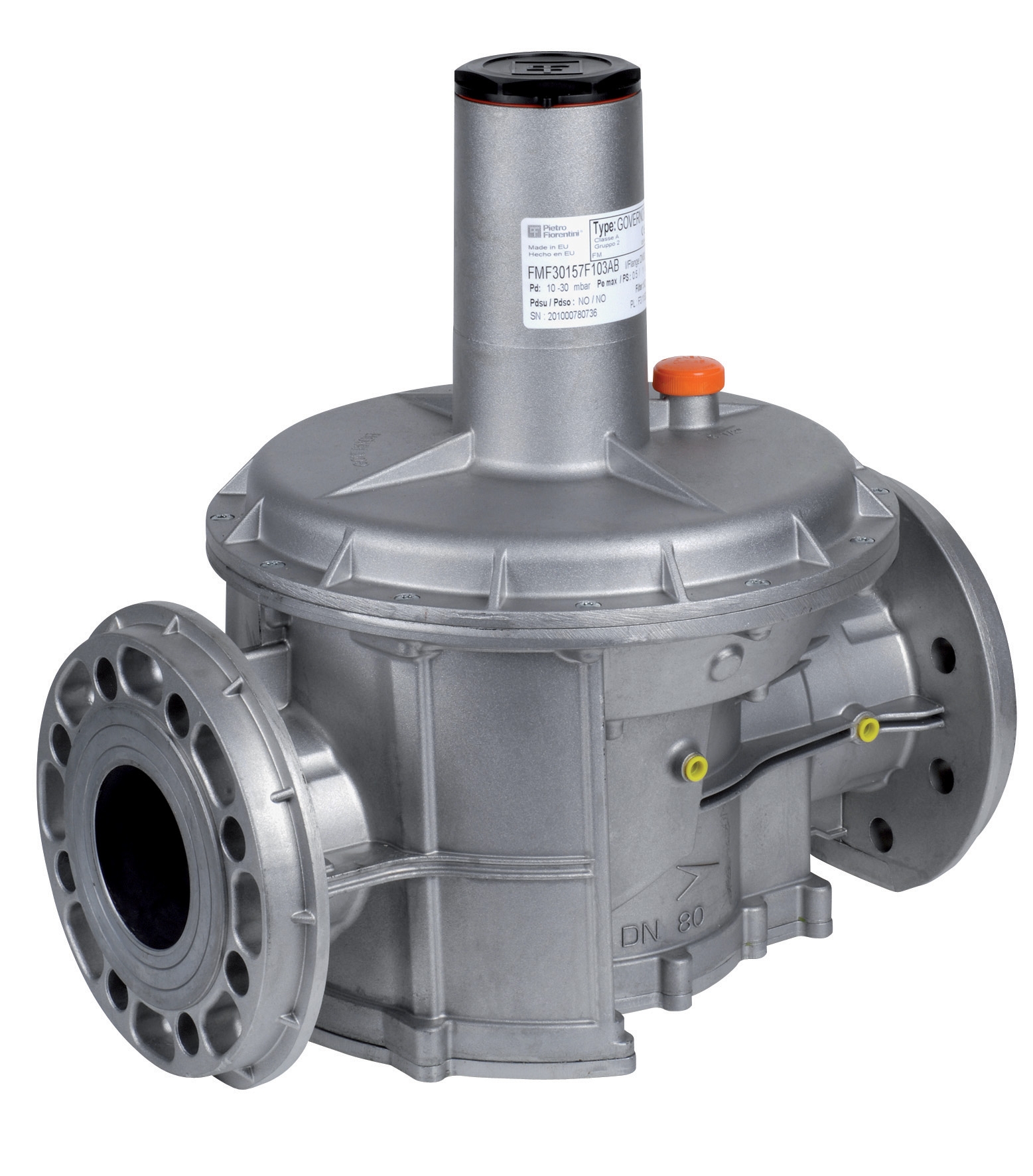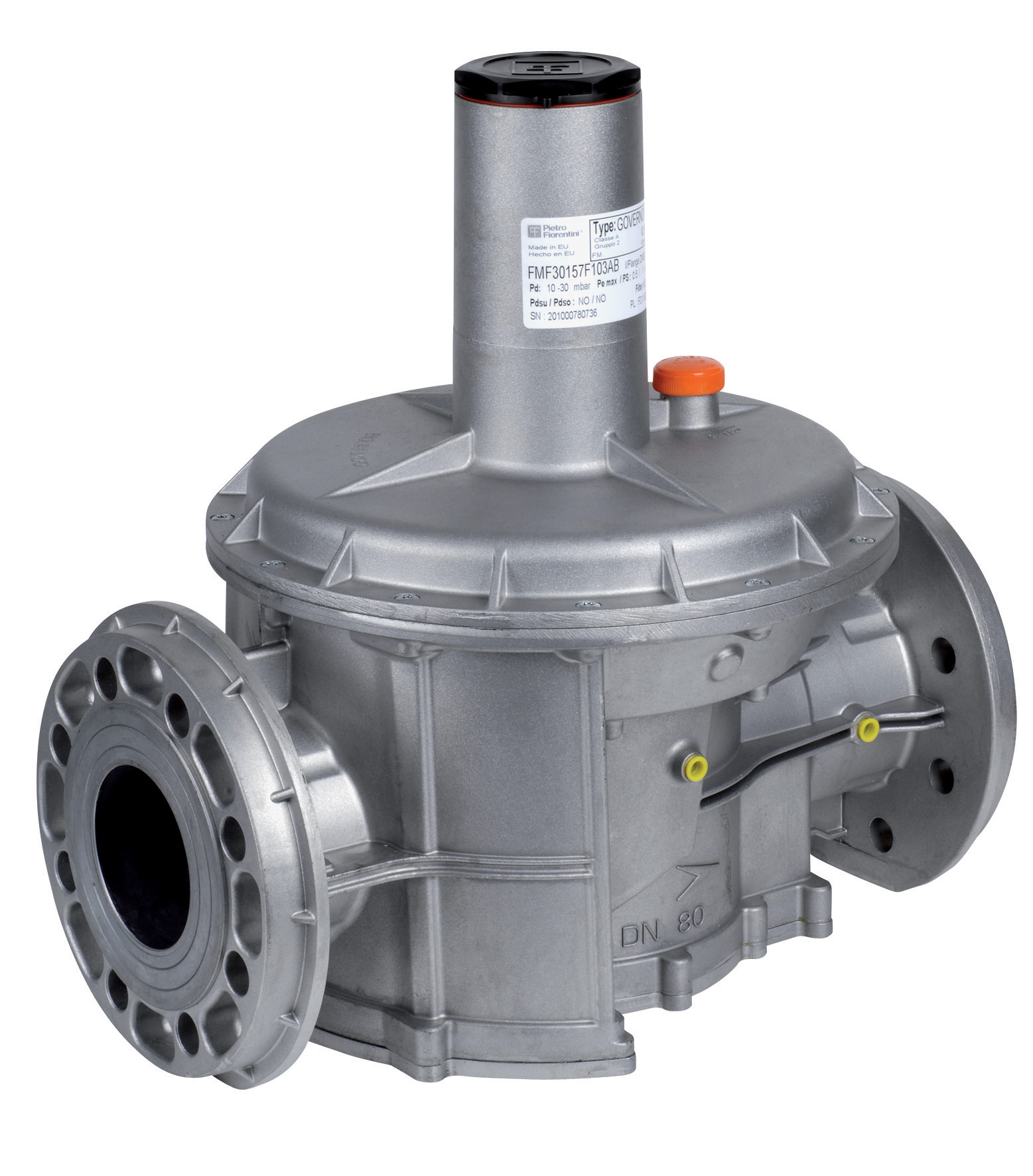
Understanding Gas Valves & Regulation System Architecture
Gas valves and regulation systems form the backbone of safe, efficient gas distribution in industrial applications. For procurement engineers, understanding how these components work together is essential for specifying systems that meet operational requirements while maintaining safety standards.
At 3G Electric, our 35+ years of experience distributing industrial equipment globally has shown us that the most reliable gas systems are those where each component is correctly sized and configured for its specific application. Gas regulation involves three critical functions: pressure reduction, flow control, and safety management. Pressure regulators reduce high-pressure gas supplies to usable downstream pressures, while control valves fine-tune flow rates. Safety devices protect against over-pressure and unsafe conditions.
The challenge for procurement engineers lies in selecting components that work harmoniously within the broader system architecture. A regulator specified without considering downstream flow demands, for example, will either starve the system or create back-pressure issues. Similarly, choosing a regulator based solely on pressure ratings without accounting for actual inlet conditions leads to poor performance and premature failure.
Sizing and Pressure Rating Selection Methodology
Correct sizing is the foundation of effective gas valve and regulation specifications. This process requires understanding five key parameters: maximum inlet pressure, desired outlet pressure, maximum flow requirement, gas type, and ambient temperature range.
Inlet Pressure Assessment: Industrial gas supplies typically arrive at pressures ranging from 5 to 500 Mbar, depending on the source. Your first procurement decision involves confirming actual inlet conditions from your gas supplier. Many engineers assume nominal pressures without verification, leading to specification errors. Request written confirmation of both normal operating pressure and maximum possible inlet pressure, including transient spikes during system start-up or supply line changes.
Outlet Pressure Definition: Define your required downstream pressure with precision. Different applications demand different setpoints. A burner system might require 50-100 Mbar, while analytical equipment needs 5-20 Mbar. The regulator must reliably maintain this pressure across varying flow conditions. Look for regulators with adjustment ranges that provide at least 30% margin below your maximum required pressure. This prevents operating near the regulator's maximum capability, where control accuracy diminishes.
Flow Calculation: Determine your maximum flow requirement in Nm³/h (normal cubic meters per hour). This comes from summing all simultaneous gas consumers. Many specifications overestimate flow by including peak capacity of rarely-used equipment. Work with operations to identify realistic simultaneous demand. For example, if your facility has ten burners but typically runs only three simultaneously, base calculations on three burners plus margin, not all ten.
For systems requiring both regulation and filtration, the CBM Regulator + filter DN100 500 Mbar PS 5/300 Mbar provides integrated sizing that handles high-volume applications. This combination unit eliminates size mismatches between regulator and filter components. For smaller diameter applications with threaded connections, the CBM Pressure regulator threaded D1"1/2 500 Mbar PS 5/300 Mbar offers compact integration with reliable pressure control from 5-300 Mbar.
Connection Type Selection: Connection methodology significantly impacts installation efficiency and long-term reliability. Threaded connections suit smaller systems and retrofit applications where space is limited. Flange connections are preferred for larger flows and permanent installations due to superior sealing and easier maintenance access. The CBM Pressure regulator with flanges DN40 500 Mbar PS 5/300 Mbar and CBM Pressure regulator with DN65 flanges 500 Mbar PS 5/300 Mbar provide scalable flange-mounted options for medium to large capacity systems. Choose flanged regulators when specifying systems you anticipate modifying or expanding within five years.
System Integration and Component Compatibility
Procurement engineers frequently encounter challenges when integrating regulators with other system components. Successful integration requires understanding how regulators interact with filters, valves, and downstream equipment.
Filter Integration Strategy: Gas purity directly affects regulator lifespan and system reliability. Dust, moisture, and oil vapor in inlet gas damage regulator internals, creating slow leaks and pressure instability. Installing filtration upstream of regulation is essential, not optional. When specifying combined regulator-filter units, you simplify procurement and ensure matched component sizing. The CBM Regulator + compact filter TAR D3/4" 500 Mbar PS 5/150 Mbar provides space-efficient integration for systems where installation area is constrained, particularly in retrofit scenarios where adding separate components creates routing challenges.
When selecting filters, specify micron ratings appropriate to downstream equipment sensitivity. Analytical instruments require finer filtration (1-5 micron) than general burner systems (25-40 micron). Finer filtration increases maintenance frequency but protects sensitive equipment. Document filter change intervals based on your specific inlet gas quality—this data helps operations predict maintenance costs and schedule downtime effectively.
Pressure Drop Calculation: Each component creates pressure drop across the system. A regulator might maintain pressure within its control range, but downstream components create cumulative losses. Calculate total system pressure drop from regulator outlet through all control valves, filters, and distribution lines to the final gas consumer. This total drop must not exceed the margin between your regulated outlet pressure and your minimum acceptable downstream pressure.
For example, if you regulate to 100 Mbar and your burner requires minimum 80 Mbar, you have only 20 Mbar available for all downstream pressure losses. Verify that selected components won't consume more than this margin under maximum flow conditions. Use component manufacturers' published pressure drop curves, always checking the curve at your actual operating flow rate rather than nominal capacity.
Redundancy and Safety Considerations: Industrial safety standards increasingly require redundant pressure relief. Many regulations specify that a single regulator failure cannot create unsafe over-pressure conditions. Procurement specifications should mandate dual regulators in series, with the second unit acting as backup relief. The pressure range flexibility of CBM regulators (PS 5/300 Mbar across product lines) allows specifying the primary regulator at your target setpoint and the secondary at slightly higher pressure, creating a safety margin while maintaining system functionality if the primary unit fails.
Performance Monitoring and Specification Documentation
Effective procurement extends beyond initial component selection to establishing how systems will be monitored and maintained.
Pressure Gauge Integration: Specify pressure gauges on both inlet and outlet of each major regulator. These gauges provide immediate indication of regulator performance and enable troubleshooting. A gauge showing higher-than-normal inlet pressure after a regulator indicates potential downstream blockage. A gauge showing outlet pressure lower than setpoint suggests regulator internal leakage or over-load. Include gauges with accuracy ±2% of their full-scale range, which provides good reading resolution without excessive cost.
Documentation Requirements: When procurement finalizes specifications, ensure complete documentation accompanies equipment through installation and operation. Document should include:
- Actual inlet pressure and maximum transient pressure expected
- Setpoint pressure and acceptable tolerance range
- Maximum flow rating under which setpoint is maintained
- Inspection intervals for internal component wear
- Valve seat material compatibility with your specific gas composition
- Pressure test procedures for commissioning
- Failure mode descriptions and troubleshooting steps
This documentation becomes invaluable when operations staff troubleshoot issues or maintenance planners schedule preventive service.
Long-Term Cost Analysis: While component cost drives initial procurement decisions, lifecycle costs dominate long-term economics. A lower-cost regulator requiring annual internal maintenance costs more than a higher-quality unit requiring service only every five years. Factor in maintenance labor, downtime costs, and potential system shutdowns from failure when comparing options. Over 10 years, premium regulators from established manufacturers like CBM typically cost less per year of service than budget alternatives, particularly in continuous-operation industrial environments.
Practical Selection Framework
When specifying gas valves and regulation systems, use this structured approach:
1. Document Actual System Conditions: Confirm inlet pressure, outlet requirement, flow demand, and gas composition in writing from relevant teams.
2. Calculate Pressure and Flow Margins: Size components for 150% of actual maximum flow and 80% of available pressure differential. This margin prevents operating near component limits where performance degrades.
3. Match Connection Types to Installation: Use threaded connections for small systems and retrofit work. Specify flanged connections (DN40 or DN65 as appropriate) for permanent installations and larger flows.
4. Integrate Filtration: Always specify upstream filtration matched to your inlet gas condition. Combined regulator-filter units simplify procurement and ensure sizing compatibility.
5. Plan for Redundancy: Specify backup regulators or relief devices for safety-critical applications, ensuring single-point failures don't create hazardous conditions.
6. Establish Monitoring: Include pressure gauges and access points for future instruments, enabling operations to verify performance continuously.
With 35+ years of experience supporting industrial procurement globally, 3G Electric has seen that properly specified gas valve and regulation systems operate reliably for years with minimal maintenance. The effort invested in careful specification up front eliminates troubleshooting headaches and unexpected failures during operation.
Your procurement decision should always consider manufacturer support, spare parts availability, and technical documentation quality alongside price. Equipment from established CBM line with proven reliability in industrial applications provides confidence that your system will perform as designed when safety and efficiency matter most.