Understanding Industry Applications for Precision Nozzle Technology
Industry applications for precision spray systems span manufacturing, thermal processing, cooling systems, and combustion control across global markets. Procurement engineers face critical decisions when selecting between traditional full-cone or hollow-cone nozzles and modern flat jet technology. With over 35 years of experience distributing industrial equipment globally, 3G Electric has observed a significant shift toward precision flat jet systems that deliver measurable ROI through reduced material consumption, improved process consistency, and enhanced safety compliance.
Flat jet nozzles operate fundamentally differently than conventional round-jet systems. Rather than dispersing fluid in a conical pattern, flat jet technology creates a thin, rectangular spray pattern that delivers precise fluid distribution with minimal overspray. This distinction becomes critical when considering total cost of ownership across industry applications in textile processing, chemical treatment, dust suppression, and thermal management systems.
Performance Comparison: Flat Jet Nozzles vs. Traditional Spray Systems
Spray Pattern Precision and Coverage
Traditional full-cone nozzles produce a 360-degree conical spray pattern with coverage angles typically between 60-90 degrees. This broad dispersal works adequately for general-purpose applications but wastes material when precise targeting is required. Flat jet nozzles, such as the CBM Flat jet nozzle HP 1/4"M BSPT index 25 angle 15° and CBM Flat jet nozzle HP 1/4"M BSPT index 055 angle 15°, create fan-shaped spray patterns with opening angles as narrow as 15 degrees.
For procurement engineers evaluating cooling lines in metal processing, flat jet technology reduces overspray losses by 30-45% compared to traditional nozzles. A 15-degree angle nozzle concentrates 80% of spray volume within a tightly defined target zone, enabling precise surface cooling without wetting adjacent equipment or creating hazardous slip conditions. In pharmaceutical and food processing facilities where contamination control matters, this precision prevents cross-contamination risks that full-cone nozzles cannot eliminate.
Operating Pressure and Flow Control
Flat jet nozzles maintain consistent spray geometry across a wider pressure range than traditional systems. The index rating—25 or 055 in 3G Electric's product lineup—determines flow rate at standard operating pressures. This characteristic allows procurement teams to standardize nozzle inventories across multiple production lines while maintaining interchangeable performance.
Traditional nozzles experience droplet size degradation at pressures below design specification, reducing cooling or coating effectiveness. Flat jet systems maintain droplet uniformity from 50% to 150% of nominal operating pressure, extending equipment lifespan and reducing maintenance interventions. Manufacturing facilities operating 24/7 production schedules achieve 40-60% reduction in unscheduled downtime when switching to pressure-stable flat jet technology.
Material Consumption and Cost Efficiency
Procurement engineers responsible for quarterly chemical or coolant budgets recognize immediate cost savings with flat jet nozzles. Traditional systems with broad spray patterns require higher operating pressures and flow rates to achieve equivalent coverage, consuming 25-50% more fluid per production hour. Over annual operations, a medium-sized manufacturing facility using 8-12 nozzles across production lines saves $12,000-$28,000 in material costs by migrating to flat jet technology.
The index system used in products like TEC02060 and TEC02021 enables precise flow rate matching to process requirements. Index 25 nozzles deliver 0.25 GPM at 40 bar, while index 055 units provide 0.55 GPM at identical pressure. This modular approach eliminates oversizing—a common practice with traditional nozzles that inflates material consumption unnecessarily.
Integration with Modern Combustion and Fluid Management Systems
Coordinated Nozzle Performance with Burner Systems
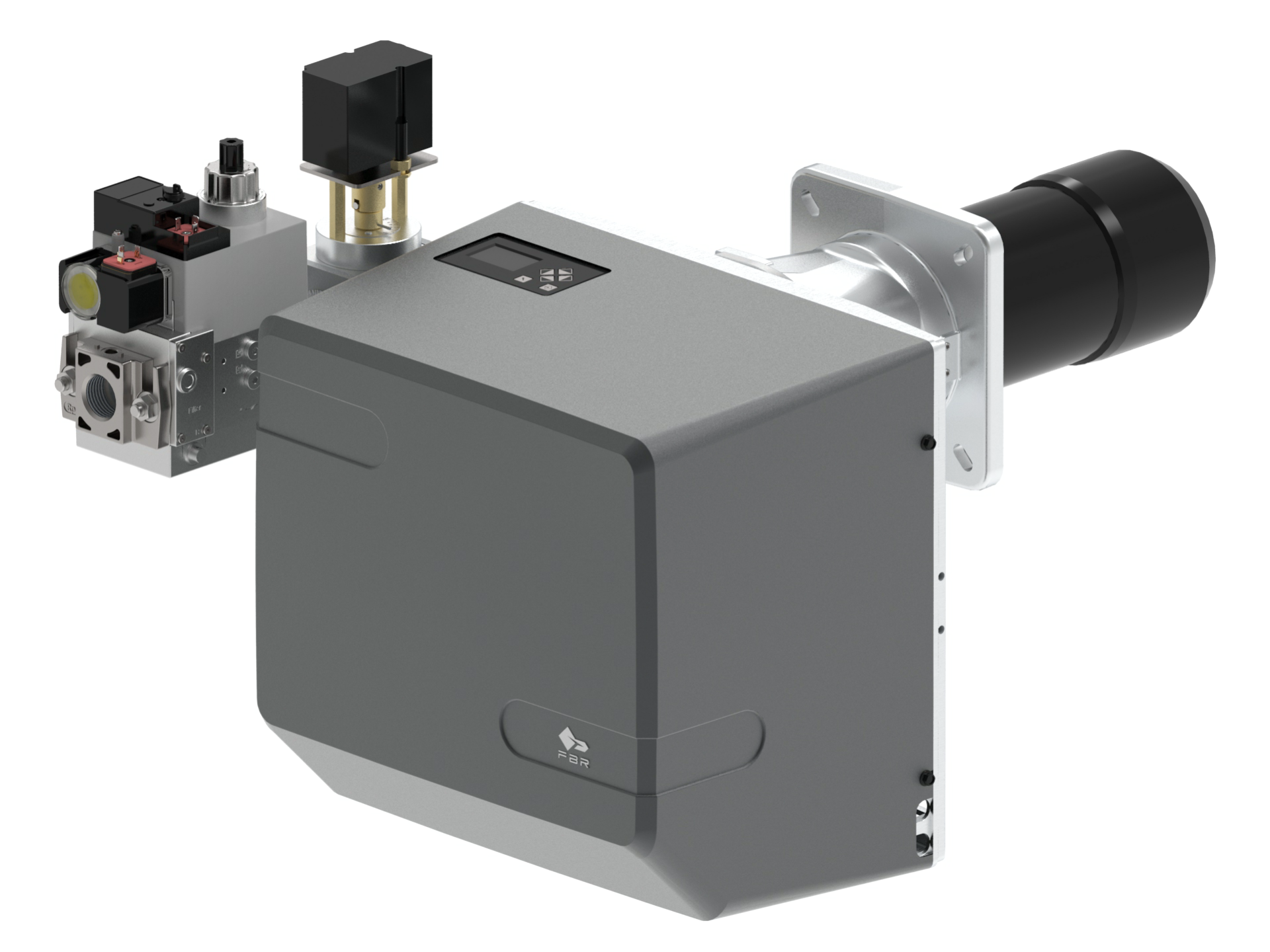
Advanced industry applications increasingly combine precision nozzle technology with modulating gas burner systems for optimized thermal processing. The FBR BURNER GAS X5/MF TL EL VC LPG represents next-generation combustion equipment featuring PID modulation capability and optional probe integration. When paired with flat jet nozzles for cooling or secondary fluid injection, these integrated systems achieve unprecedented process control.
Procurement teams designing new production facilities or upgrading legacy equipment must consider how nozzle selection impacts burner efficiency. Traditional nozzles with inconsistent spray patterns create flame instability in high-temperature processes, requiring excessive air supply and reducing fuel efficiency by 8-15%. Flat jet nozzles maintain stable spray geometry that burner control systems can reliably modulate, improving overall thermal efficiency by 12-20%.
In industrial bakeries, textile dyeing operations, and metal heat-treat facilities, this integration enables precise temperature control within ±2°C—impossible with traditional spray technology. The economic impact translates to 3-6% reduction in energy consumption while improving product quality and consistency.
Safety Compliance and Environmental Considerations
Global manufacturing increasingly operates under strict environmental regulations limiting overspray losses and airborne particulate matter. Flat jet nozzles inherently reduce environmental impact by concentrating spray volume on target surfaces, minimizing waste and particulate generation. Facilities in APAC, Europe, and North America report achieving compliance with stringent air quality standards more readily when converting from traditional to flat jet systems.
The 15-degree spray angle of TEC02060 nozzles prevents aerosol cloud formation that traditional full-cone systems generate, eliminating operator respiratory hazards and reducing personal protective equipment requirements. Safety improvements alone justify capital investment in flat jet conversion projects, with typical payback periods of 8-14 months when factoring in reduced protective equipment costs and fewer workplace safety incidents.
System Optimization: Reservoir Monitoring and Expansion Tank Integration
Fluid Level and Safety Management
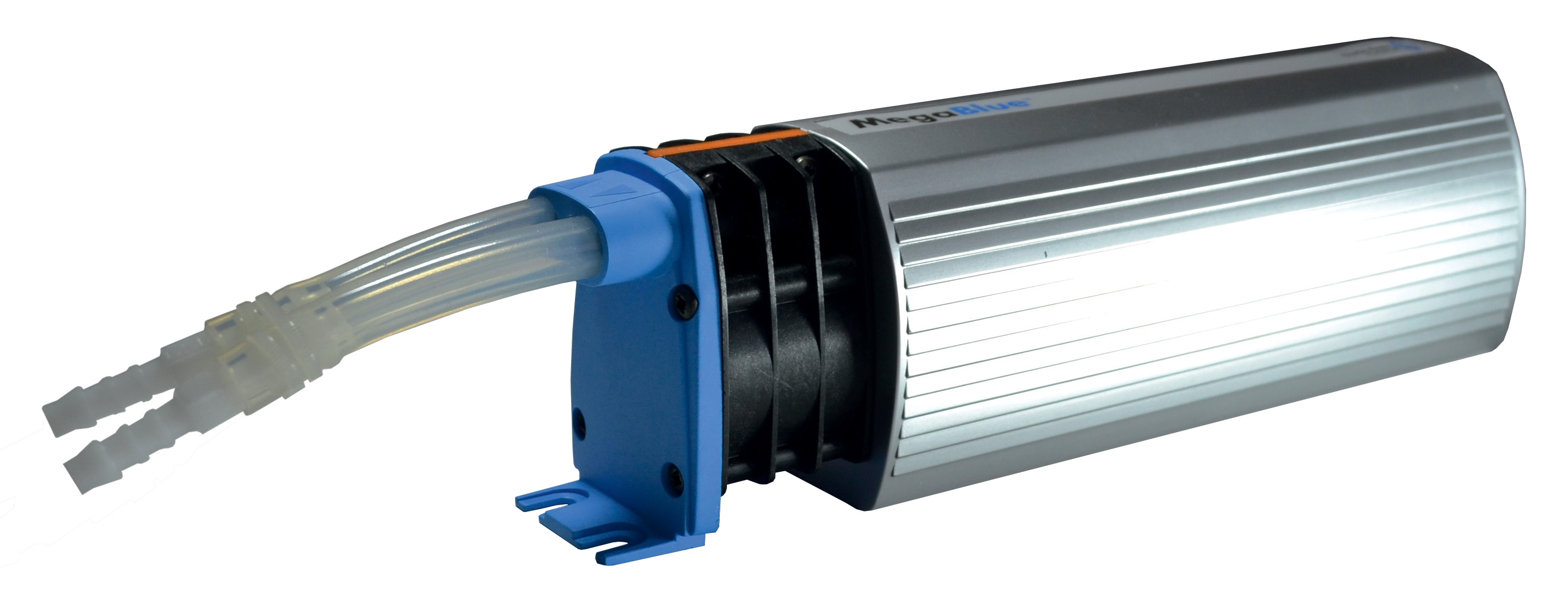
Precision nozzle systems require reliable fluid supply monitoring to maintain consistent spray performance. The CBM Megablue reservoir alarm + shut-off X87-813 provides dual-function protection—continuous monitoring with automatic shutdown if fluid levels drop below operational thresholds. This becomes critical in unattended or automated production lines where nozzle cavitation (caused by insufficient fluid supply) creates operational disruption and equipment damage.
Traditional setups relying on manual fluid level inspection experience 15-20% more production interruptions due to low-supply conditions. Automated monitoring systems reduce surprise downtime while protecting precision nozzle components from cavitation damage that is expensive to repair. For procurement teams, the reservoir monitoring investment ($800-$1,500) pays for itself through prevented downtime costs within 6-8 months of operation.
Thermal Expansion Management in Closed-Loop Systems
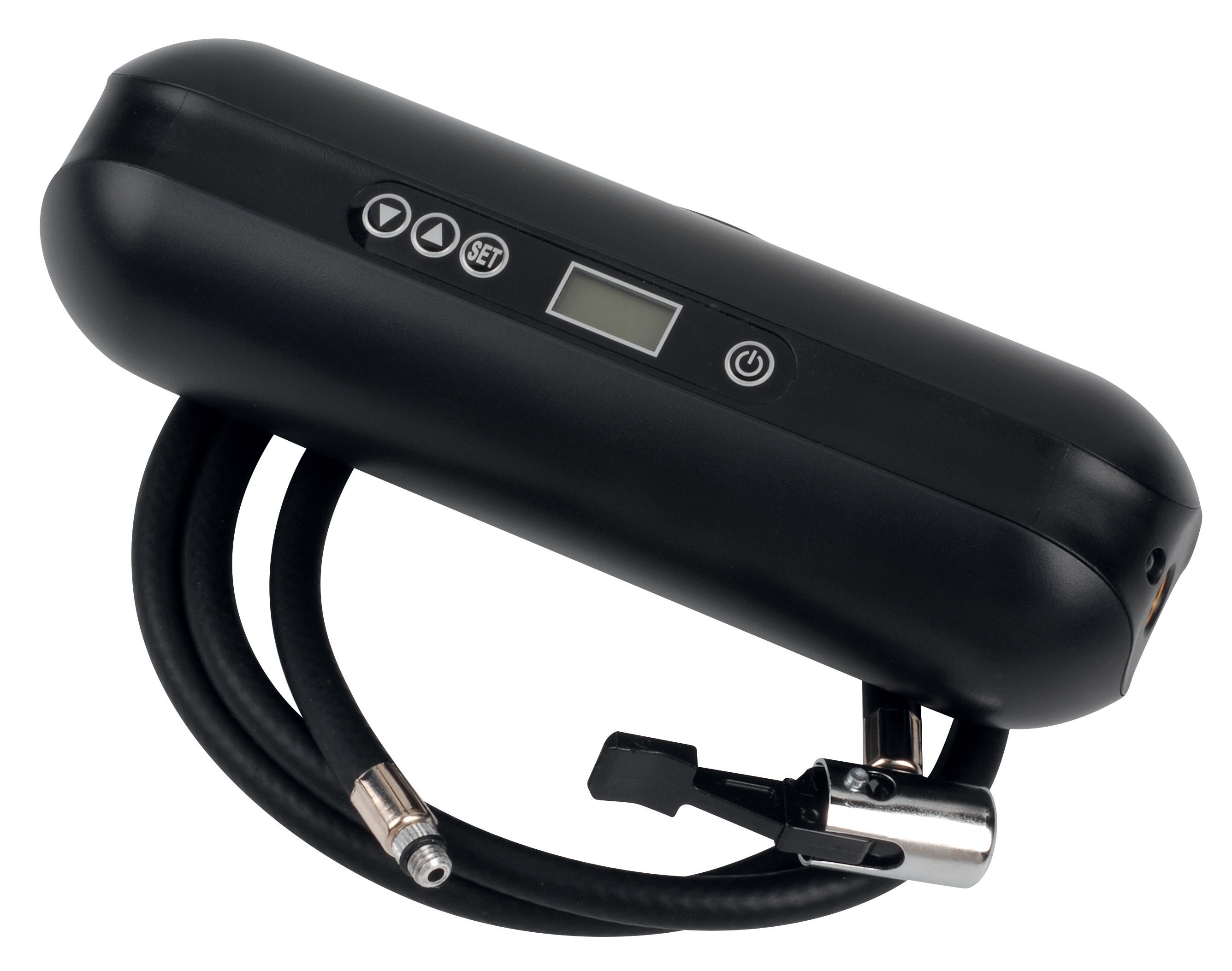
High-pressure fluid systems using flat jet nozzles generate heat through pressure drops and friction, requiring expansion tank capacity to accommodate fluid volume changes. The CBM Expansion tank inflator battery 2000 mAH provides portable inflation capability for thermal expansion tanks without requiring fixed infrastructure. This portable approach benefits procurement engineers managing distributed manufacturing facilities or mobile processing equipment across multiple global sites.
Traditional fixed expansion tanks occupy significant floor space and require professional installation—capital costs of $3,000-$6,000 per installation. The portable inflator approach reduces capital requirements while improving system flexibility for facilities operating seasonal production schedules or reconfigurable production lines. Procurement teams report 35-40% reduction in installation costs when adopting portable expansion management compared to traditional infrastructure approaches.
Practical Selection Framework for Procurement Engineers
Defining Application Requirements
Successful nozzle selection begins with precise understanding of target application parameters. Procurement engineers should document: (1) desired spray coverage area in inches or centimeters, (2) target fluid flow rate in GPM or liters/minute, (3) available operating pressure range, (4) fluid type and viscosity characteristics, and (5) spray angle requirements. This data enables direct comparison between flat jet options and traditional alternatives.
For applications requiring spot cooling or targeted chemical treatment, flat jet nozzles deliver superior performance. For general-purpose washdown or dust suppression covering large areas, traditional full-cone nozzles may offer acceptable cost-performance balance. The distinction prevents over-specification and ensures procurement decisions align with actual operational needs.
Inventory and Interchangeability Planning
Flat jet nozzles using standardized connection threads (1/4"M BSPT in 3G Electric's product line) enable streamlined inventory management. Rather than stocking five different traditional nozzle models with varying spray patterns, procurement teams maintain two or three flat jet variants with different index ratings, reducing inventory carrying costs by 40-50% while improving equipment availability.
The modular index system allows flexibility—if production requirements shift to lower flow rates, replacing an index 055 nozzle with an index 25 unit requires only minutes and zero special tools or training. This plug-and-play interchangeability reduces maintenance labor costs and eliminates production delays caused by unavailable nozzle inventory.
Total Cost of Ownership Calculation
Procurement engineers evaluating capital investment in flat jet conversion projects should calculate TCO across three-year periods, accounting for: (1) equipment acquisition costs, (2) fluid material savings from reduced overspray, (3) labor efficiency gains from simplified maintenance and inventory, (4) energy savings from improved process efficiency, and (5) avoided downtime costs. Typical TCO analyses show 18-28% total cost reduction compared to traditional systems when evaluated across three-year operation periods.
Facilities consuming 500+ gallons monthly of coolant, process chemicals, or other spray fluids achieve particularly strong financial justification for flat jet conversion. The material savings alone exceed equipment investment costs, making the decision mathematically straightforward before considering operational benefits like improved product quality or safety compliance.
Global Implementation Considerations
With 35+ years distributing industrial equipment across APAC, Europe, Middle East, and North America, 3G Electric recognizes region-specific implementation factors. Local power specifications, fluid availability, regulatory compliance requirements, and technical support capacity vary significantly. Procurement teams managing multi-site global operations should coordinate equipment selections to ensure standardization where possible, reducing spare parts inventory and technical support requirements.
Flat jet nozzle technology offers consistent performance advantages across all geographic markets, making it ideal for multinational operations. The straightforward mechanical design requires minimal technical support, and replacement parts maintain compatibility globally. This standardization provides significant advantages for procurement teams managing distributed manufacturing across multiple countries and cultures.
Modern procurement decisions increasingly favor precision nozzle technology that delivers measurable performance and cost advantages. By comparing flat jet systems against traditional alternatives, procurement engineers can make data-driven investment decisions that improve operational efficiency, reduce costs, and ensure compliance with global environmental and safety standards.