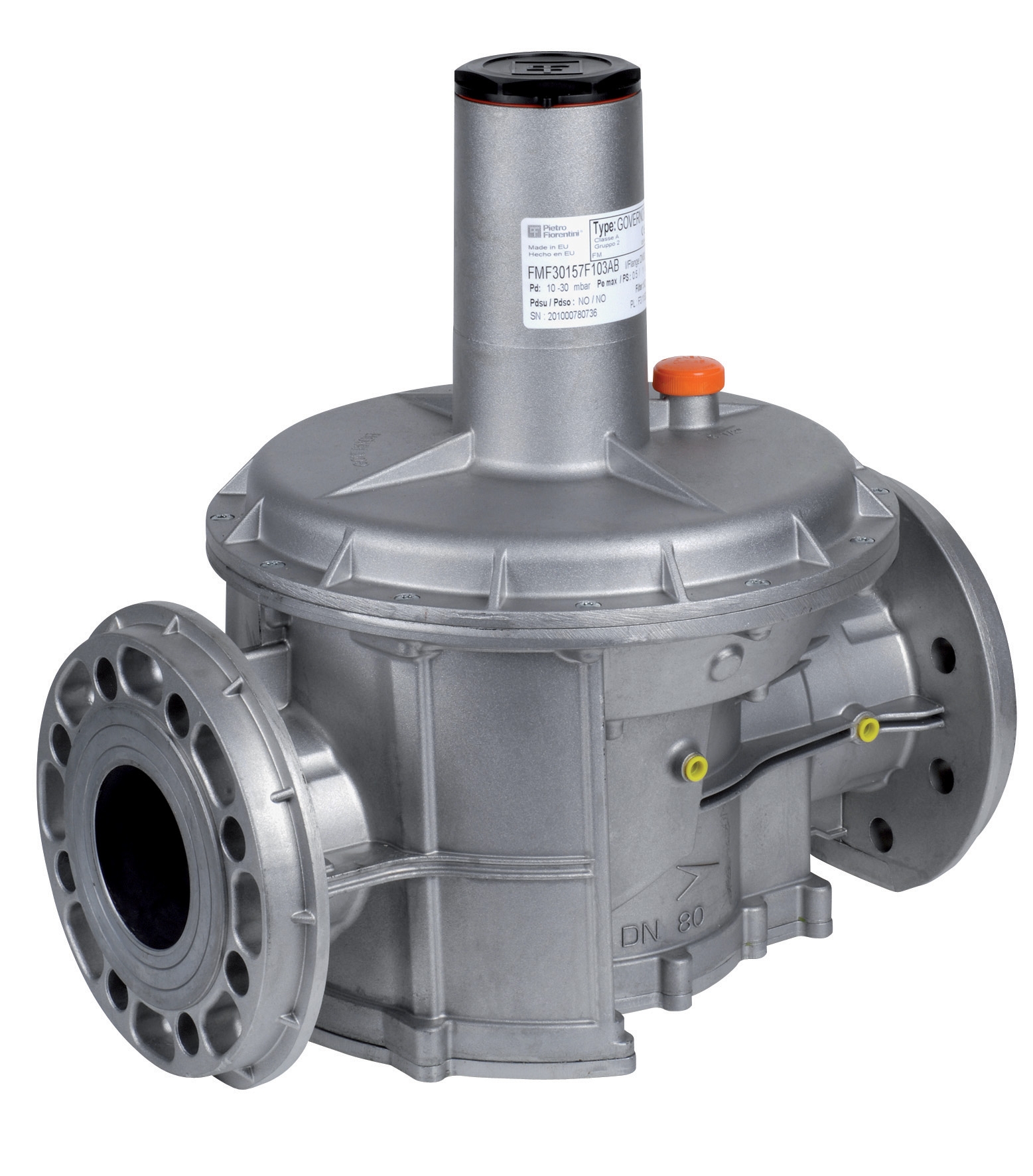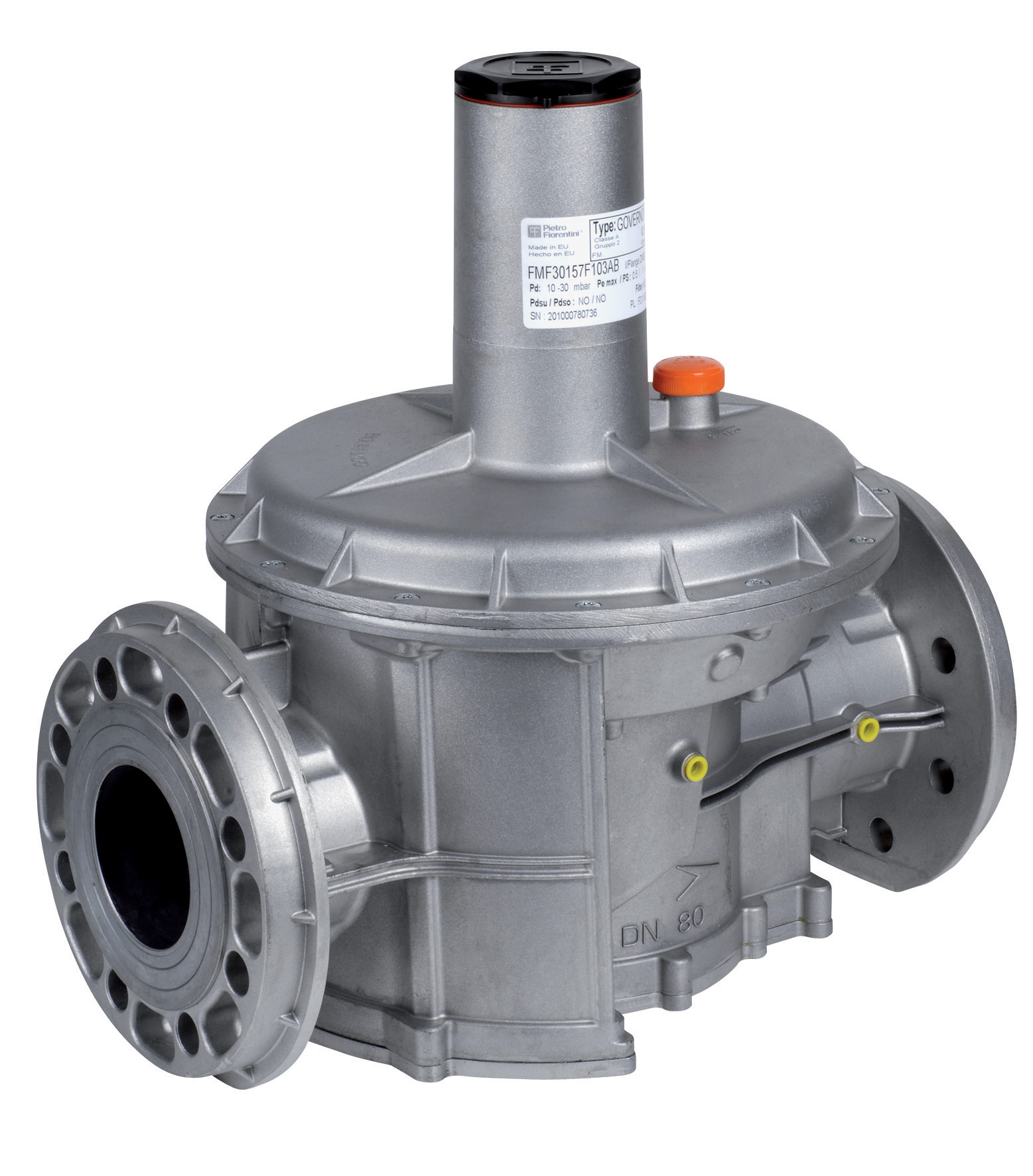
Understanding Gas Valves & Regulation in Your Facility
Gas Valves & Regulation systems are the critical control points in any industrial gas application, from burner systems to process heating. For maintenance teams, understanding these systems goes beyond knowing how to operate them—it requires knowledge of their internal mechanics, failure modes, and the subtle warning signs that precede catastrophic breakdowns.
At 3G Electric, our 35+ years of experience as a global industrial equipment distributor has shown us that most gas valve failures are preventable through systematic maintenance. The difference between a facility that runs smoothly and one plagued by unexpected shutdowns often comes down to how well maintenance teams understand and care for their regulation equipment.
Gas regulation involves two primary functions: pressure reduction and flow control. Pressure regulators reduce high-pressure gas from supply lines to usable pressures for your equipment. Control valves then modulate flow based on system demands. Both components must work in harmony, and both can develop issues that compromise system reliability.
Diagnostic Inspection Procedures for Gas Valves & Regulation Systems
Visual Inspection Protocol
Begin every maintenance cycle with a comprehensive visual inspection. This is your first line of defense against system failures.
What to examine:
- Corrosion and discoloration: Look for rust, oxidation, or chemical buildup on valve bodies and regulator housings. Discoloration often indicates moisture intrusion or chemical contamination in your gas supply.
- Mechanical damage: Inspect for dents, cracks, or bent components. Even small deformations can affect seal integrity and pressure accuracy.
- Gauge readings and indicators: Note the current pressure readings on all gauges. Compare them to baseline readings from your maintenance log. Unexplained pressure variations signal internal wear or blockages.
- Leakage evidence: Look for frost patterns, chemical residue, or audible hissing around connections and valve stems. Even microscopic leaks compromise safety and efficiency.
- Fastener condition: Check that all bolts, nuts, and compression fittings remain tight. Vibration can gradually loosen connections, leading to pressure fluctuations.
Functional Testing Methods
Visual inspection alone is insufficient. Your maintenance protocol must include functional tests that verify equipment performance under operational conditions.
Pressure stability testing: With the system operating at normal working pressure, monitor your pressure gauges over a 15-minute period. A properly functioning regulator maintains ±5% pressure variance. If fluctuations exceed this range, internal components likely require attention.
Response time evaluation: Introduce a controlled load change—increase gas demand suddenly, then reduce it. Observe how quickly the regulator responds. Sluggish response indicates wear in the sensing diaphragm or control mechanisms. Fast response means the regulator is properly calibrated and responsive.
Leakage detection: Use soap solution on all connections with the system pressurized. Any bubble formation indicates gas escape. Mark these locations for repair. For critical applications, use calibrated ultrasonic leak detectors that quantify escape rates.
Downstream impact assessment: Monitor equipment supplied by the regulator for performance changes. Inconsistent burner flame, fluctuating process temperatures, or cycling equipment often point to regulation problems upstream.
Preventative Maintenance Schedules and Component Care
Monthly Maintenance Tasks
Gauge verification: Check that all pressure gauges display readings within expected ranges. Faulty gauges provide misleading information that leads to incorrect maintenance decisions. If gauge readings seem implausible, verify with a calibrated external gauge before taking corrective action.
Connection inspection: Hand-tighten all visible compression fittings and threaded connections. Do not over-tighten—this damages seals and threads. Tighten only until snug, then add a quarter turn.
Filter element assessment: If your system includes integrated filtration like the CBM Regulator + compact filter TAR D3/4" 500 Mbar PS 5/150 Mbar, visually inspect the filter bowl for accumulated contaminants. Many filter housings feature transparent bowls—use these to determine if cleaning is needed before scheduled intervals.
Quarterly Maintenance Tasks
Regulator performance mapping: Record pressure readings at inlet, outlet, and downstream equipment under various operating conditions. Build a baseline map of normal operation. When readings deviate from this baseline, you have objective evidence of changes requiring investigation.
Control mechanism verification: For multi-stage regulation systems, ensure each stage operates independently. Block downstream equipment and verify that the first-stage regulator responds correctly to varying inlet pressures. This confirms that sensing elements and control mechanisms function properly.
Seal inspection and lubrication: Depending on your regulator model, apply specified lubricants to moving components. Proper lubrication prevents wear and corrosion. Consult manufacturer specifications—over-lubrication attracts contaminants.
Annual Maintenance Tasks
Internal component evaluation: For systems operating continuously, plan annual internal inspection of regulation components. This requires depressurizing the system and partial disassembly. Inspect diaphragms, springs, and seating surfaces for wear, cracks, or deposits. Replace any components showing degradation.
Calibration verification: Regulatory environments often require pressure regulator calibration certificates. Send units to certified facilities for verification that they maintain their rated specifications. Even slight calibration drift accumulates, affecting system performance.
Supply quality assessment: Analyze gas supply quality quarterly. Moisture, oil mist, and particulate contamination degrade regulation components rapidly. If supply quality issues emerge, install or upgrade filtration equipment like the CBM Regulator + filter DN100 500 Mbar PS 5/300 Mbar upstream of sensitive regulation equipment.
Troubleshooting Common Gas Valve & Regulation Issues
Pressure Creep (Gradual Pressure Rise)
Symptom: Downstream pressure slowly increases even though inlet pressure remains constant and gas demand hasn't changed.
Root causes: Internal valve seal degradation, spring fatigue, or diaphragm rupture. When the valve seat no longer seals completely, controlled gas leakage past the regulating element causes pressure accumulation.
Diagnostic steps:
1. Isolate the regulator and measure inlet/outlet pressure differential
2. Slowly increase inlet pressure while monitoring outlet response
3. If outlet pressure rises unpredictably, internal components require replacement
Solution: Replace the regulator or internal cartridge. For threaded installations, the CBM Pressure regulator threaded D1"1/2 500 Mbar PS 5/300 Mbar provides a direct replacement option that maintains system compatibility.
Hunting and Oscillation
Symptom: Pressure rapidly cycles up and down, sometimes audibly. Equipment supplied experiences on-off cycling, creating inefficient operation.
Root causes: Over-sensitive regulator, excessive load changes, or downstream demand instability. Some regulators installed in applications with rapid load changes exhibit hunting because they respond too aggressively to small pressure changes.
Diagnostic steps:
1. Record pressure gauge readings during a 5-minute cycle
2. Note the pressure range and cycle frequency
3. Check if cycling frequency corresponds to equipment cycling patterns
4. Verify that downstream equipment isn't creating artificial demand patterns
Solution: Install a regulator with appropriate response characteristics for your application. Flanged applications may benefit from the CBM Pressure regulator with flanges DN40 500 Mbar PS 5/300 Mbar or CBM Pressure regulator with DN65 flanges 500 Mbar PS 5/300 Mbar, which offer sizing flexibility. Add a small capacity buffer tank downstream to dampen pressure oscillations.
Loss of Regulation Control
Symptom: The regulator fails to maintain outlet pressure. Downstream pressure fluctuates wildly with inlet pressure changes, as though the regulator isn't functioning.
Root causes: Diaphragm rupture, broken spring, or sensing line blockage. When the sensing mechanism fails, the regulator cannot detect pressure changes and cannot adjust the control valve position.
Diagnostic steps:
1. Verify inlet pressure is adequate (typically 20-30% higher than desired outlet pressure)
2. Check that sensing ports or lines are clear of blockages
3. Manually move the control element to verify mechanical response
4. If manually adjusting the valve position changes outlet pressure, the sensing system has failed
Solution: Replace the regulator. Complete failure of the sensing system requires replacement rather than component repair.
Inconsistent Supply Pressure
Symptom: Two identical regulators receiving the same inlet pressure produce different outlet pressures, or the same regulator produces different pressures over time.
Root causes: Inlet supply fluctuations, contaminant accumulation on valve seats, or regulator drift from baseline calibration.
Diagnostic steps:
1. Measure inlet pressure at both regulators simultaneously
2. If inlet pressures differ, your supply system has instability
3. If inlet pressures match but outlet differs, the regulator with lower outlet pressure requires attention
4. Flush the inlet supply line to remove debris, then test again
Solution: If supply fluctuations exist, install upstream regulation or buffering. If regulator calibration has drifted, recalibration or replacement restores consistency. Integrated filter-regulator combinations like the CBM Regulator + compact filter TAR D3/4" 500 Mbar PS 5/150 Mbar prevent contaminant-related degradation in future installations.
Documentation and Record-Keeping Best Practices
Maintenance teams often overlook documentation, yet systematic records provide invaluable insights that prevent failures.
Establish a maintenance log that captures: date, time, technician name, equipment model/serial number, baseline pressure readings (inlet, outlet, downstream), visual condition notes, tests performed, results, and actions taken. Over time, this log reveals patterns that predict failures before they occur.
Create equipment specification sheets for each regulator in your facility. Include manufacturer name, model number, rated pressure settings, inlet/outlet sizes, and original calibration data. When issues arise, specifications guide diagnostic decisions.
Track parts replacement and repairs. Record what components were replaced, why, and when. If a regulator fails repeatedly in the same manner, root causes likely extend beyond the regulator itself—perhaps inlet supply quality or installation factors.
Maintain pressure baseline charts. Graph pressure readings over weeks and months. Visual patterns emerge from charts that raw numbers obscure. Gradual pressure drift, sudden changes, or cyclical patterns all indicate different problems requiring different solutions.
Conclusion
Gas Valves & Regulation system maintenance protects both operational reliability and personnel safety. By implementing systematic inspection procedures, following preventative maintenance schedules, and maintaining detailed records, maintenance teams transform regulation systems from potential failure points into dependable equipment components.
The industrial equipment expertise 3G Electric has accumulated over 35+ years demonstrates that proactive maintenance consistently outperforms reactive repair approaches. When you invest time in understanding your regulation systems, diagnostic testing, and preventative care, you avoid unexpected shutdowns, extend equipment life, and protect your team.
Your maintenance protocols should evolve as your equipment ages and operating conditions change. Regular review of maintenance records, adjustment of inspection intervals, and timely component replacement based on performance data create a system that becomes increasingly reliable over time.